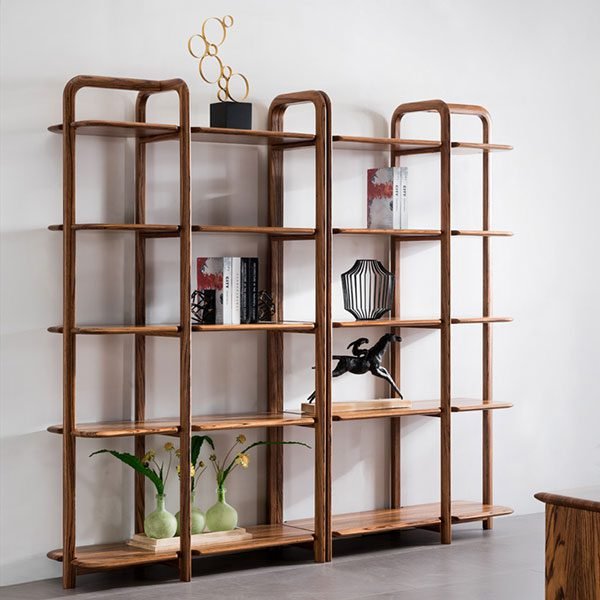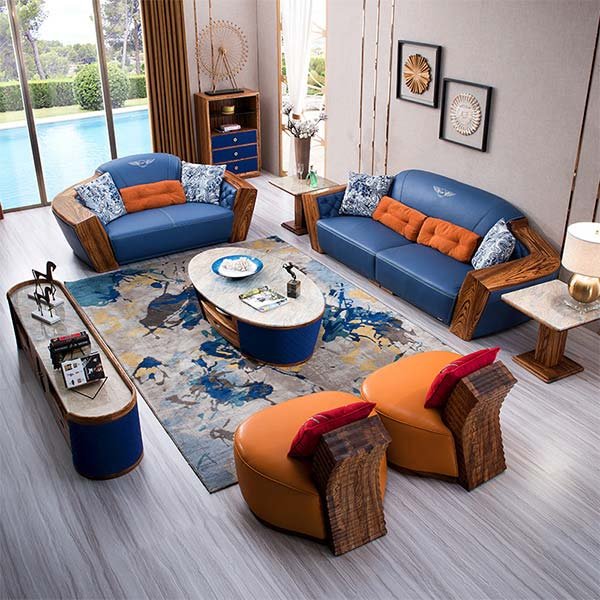
“Harmonize your home with perfectly matched furniture in your living room.”
Mixing and Matching Different Styles
When it comes to decorating your living room, one of the most important aspects to consider is how to match your furniture. Mixing and matching different styles can create a unique and personalized look that reflects your personality and taste. However, it can also be a daunting task if you’re not sure where to start. In this article, we will provide you with some tips and guidelines on how to successfully match furniture in your living room.
The first step in matching furniture in your living room is to determine the overall style you want to achieve. Are you going for a modern, minimalist look, or do you prefer a more traditional and cozy feel? Once you have a clear vision of the style you want, you can start selecting furniture pieces that complement each other.
When mixing and matching different styles, it’s important to pay attention to the scale and proportion of the furniture. Make sure that the pieces you choose are of similar size and height to create a balanced and harmonious look. For example, if you have a large, bulky sofa, pair it with a coffee table that is of a similar scale to create a cohesive look.
Another important aspect to consider when matching furniture in your living room is the color scheme. Choose a color palette that complements the overall style of the room and stick to it when selecting furniture pieces. You can mix different styles as long as they are in the same color family to create a cohesive and visually appealing look.
In addition to scale and color, texture is also an important factor to consider when matching furniture in your living room. Mixing different textures can add depth and visual interest to the space. For example, pair a sleek leather sofa with a plush velvet armchair to create a dynamic and inviting look.
When mixing and matching different styles of furniture, don’t be afraid to experiment and think outside the box. Consider incorporating unexpected elements such as a vintage rug or a statement piece of artwork to add personality and character to the room. Mixing different styles can create a layered and eclectic look that is both stylish and unique.
To tie everything together and create a cohesive look, consider using accessories such as throw pillows, rugs, and curtains that complement the overall style of the room. These small details can make a big impact and help bring the different furniture pieces together.
In conclusion, matching furniture in your living room is all about creating a harmonious and visually appealing space that reflects your personal style. By paying attention to scale, proportion, color, texture, and accessories, you can successfully mix and match different styles of furniture to create a unique and inviting living room. Don’t be afraid to experiment and have fun with your decor – after all, your living room is a reflection of you and your personality.
Using a Neutral Color Palette
When it comes to decorating your living room, one of the most important aspects to consider is how to match your furniture. A well-coordinated living room can create a cohesive and inviting space for you and your guests to enjoy. One effective way to achieve this is by using a neutral color palette.
Neutral colors such as white, beige, gray, and taupe are versatile and timeless choices for furniture in a living room. They can create a sense of calm and sophistication while allowing other elements in the room to stand out. When selecting furniture pieces in neutral colors, it is important to consider the overall style and aesthetic of your living room.
For a modern and minimalist look, opt for furniture with clean lines and simple silhouettes in shades of white or gray. These neutral colors can help create a sleek and contemporary feel in your living room. Pairing these pieces with metallic accents such as chrome or brass can add a touch of glamour and sophistication to the space.
If you prefer a more traditional or cozy feel in your living room, consider furniture in warm neutral tones such as beige or taupe. These colors can create a welcoming and inviting atmosphere, perfect for relaxing and entertaining. To add depth and interest to the room, incorporate textures such as velvet, leather, or wood into your furniture pieces.
When using a neutral color palette in your living room, it is important to pay attention to the balance of colors and textures. Mixing different shades of neutrals can create visual interest and prevent the room from feeling flat or monotonous. For example, pairing a light gray sofa with a dark gray rug can create a sense of contrast and depth in the space.
In addition to furniture, consider incorporating accent pieces such as throw pillows, rugs, and artwork in complementary neutral colors. These elements can tie the room together and create a cohesive look. Mixing different textures and patterns in neutral tones can add visual interest and personality to your living room.
When selecting furniture in neutral colors, it is also important to consider the size and scale of the pieces. Choose furniture that fits the proportions of your living room and allows for easy traffic flow. Avoid overcrowding the space with too many large pieces, as this can make the room feel cramped and cluttered.
In conclusion, using a neutral color palette in your living room can create a harmonious and inviting space for you and your guests to enjoy. By selecting furniture in versatile neutral tones and incorporating textures and patterns, you can create a cohesive and stylish look that reflects your personal style. Paying attention to the balance of colors and scale of furniture pieces can help you achieve a well-coordinated and visually appealing living room.
Incorporating Statement Pieces
When it comes to decorating a living room, one of the most important aspects to consider is how to match furniture. The way you arrange your furniture can have a significant impact on the overall look and feel of the room. One effective way to create a cohesive and stylish living room is by incorporating statement pieces.
Statement pieces are furniture items that stand out and make a bold statement in a room. These pieces can be anything from a unique sofa or armchair to a striking coffee table or accent cabinet. By incorporating statement pieces into your living room, you can add personality and visual interest to the space.
When selecting statement pieces for your living room, it’s important to consider the overall style and color scheme of the room. Choose pieces that complement the existing furniture and decor, while also adding a touch of flair. For example, if your living room has a neutral color palette, consider adding a bold, colorful sofa or a patterned accent chair to create a focal point in the room.
In addition to selecting statement pieces that complement the existing decor, it’s also important to consider the scale and proportion of the furniture. Make sure that the statement pieces you choose are appropriately sized for the room and don’t overwhelm the space. For example, if you have a small living room, opt for a statement piece that is smaller in scale, such as a unique side table or a decorative mirror.
Another important factor to consider when incorporating statement pieces into your living room is the placement of the furniture. Arrange the statement pieces in a way that draws attention to them and creates a sense of balance in the room. For example, place a bold sofa in the center of the room as a focal point, and surround it with more understated furniture pieces to create a cohesive look.
When it comes to matching furniture in a living room, incorporating statement pieces can be a great way to add personality and style to the space. By selecting pieces that complement the existing decor, considering scale and proportion, and strategically placing the furniture, you can create a cohesive and visually appealing living room that reflects your personal style.
In conclusion, matching furniture in a living room can be a challenging task, but by incorporating statement pieces, you can create a stylish and cohesive space. Consider the overall style and color scheme of the room, choose pieces that complement the existing decor, and pay attention to scale and proportion. By following these tips, you can create a living room that is both functional and visually appealing.
Conclusion
When matching furniture in a living room, consider the style, color, and scale of the pieces to create a cohesive and harmonious look. Mix and match different textures and materials for added visual interest. Don’t be afraid to experiment with different combinations until you find the perfect balance for your space.