“Maximize space and style in your long living room with strategic furniture placement.”
Utilizing Area Rugs to Define Spaces
When it comes to designing a long living room, one of the biggest challenges is figuring out how to effectively layout furniture in a way that maximizes the space and creates a cohesive flow. One effective strategy for achieving this is by utilizing area rugs to define different spaces within the room.
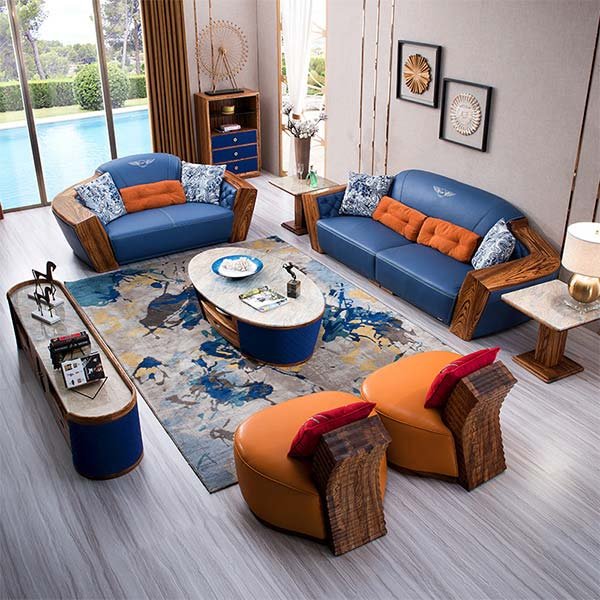
Area rugs can serve as visual boundaries that help to delineate specific areas within a long living room. By strategically placing rugs in key areas, you can create distinct zones for different functions, such as a seating area, a dining area, or a reading nook. This not only helps to organize the space but also adds visual interest and texture to the room.
When selecting area rugs for a long living room, it’s important to consider the size and shape of the room, as well as the furniture layout. For example, in a long narrow room, a large area rug placed under the main seating area can help to anchor the space and create a sense of cohesion. Alternatively, you can use multiple smaller rugs to define separate areas within the room.
In terms of style and design, the choice of area rug can also have a significant impact on the overall look and feel of the room. For a modern and contemporary aesthetic, consider a geometric or abstract patterned rug in a neutral color palette. If you prefer a more traditional or eclectic look, opt for a Persian or Oriental rug with intricate designs and rich colors.
In addition to defining spaces, area rugs can also help to tie together the various elements of a long living room. By coordinating the colors and patterns of the rugs with the furniture, artwork, and accessories in the room, you can create a cohesive and harmonious design scheme. This can be particularly effective in open-concept spaces where the living room flows into other areas of the home.
When placing area rugs in a long living room, it’s important to consider the scale and proportion of the furniture. For example, a large sectional sofa may require a larger rug to anchor the seating area, while a smaller accent chair may only need a small rug to define its space. Additionally, make sure to leave enough space around the edges of the rug to allow for easy movement and traffic flow.
In terms of placement, there are several options for positioning area rugs in a long living room. You can place a rug under the coffee table in the center of the seating area, or you can position it under the front legs of the furniture to create a more cohesive look. Alternatively, you can layer multiple rugs on top of each other to add depth and dimension to the room.
Overall, utilizing area rugs to define spaces in a long living room is a practical and stylish way to create a cohesive and well-designed space. By carefully selecting rugs that complement the furniture and layout of the room, you can achieve a harmonious and visually appealing design that maximizes the potential of the space. So next time you’re faced with the challenge of designing a long living room, consider incorporating area rugs as a key element in your layout strategy.
Creating Multiple Seating Areas
When it comes to designing a long living room, one of the biggest challenges is creating multiple seating areas that are both functional and visually appealing. With the right layout and furniture arrangement, you can make the most of the space and create a cozy and inviting atmosphere for your family and guests.
One of the key principles to keep in mind when designing multiple seating areas in a long living room is to create distinct zones that serve different purposes. This can help to break up the space and make it feel more intimate and welcoming. For example, you could have a seating area for watching TV, a reading nook by the window, and a conversation area for entertaining guests.
To achieve this, start by determining the focal point of the room. This could be a fireplace, a large window with a view, or a TV. Once you have identified the focal point, arrange your furniture around it to create a cohesive and balanced layout. For example, you could place a sofa facing the TV, with a pair of armchairs angled towards the fireplace, and a chaise lounge by the window.
When arranging your furniture, be mindful of traffic flow and ensure that there is enough space for people to move around comfortably. Avoid placing furniture directly in front of doorways or blocking pathways, as this can make the room feel cramped and cluttered. Instead, leave enough space between pieces of furniture to allow for easy movement and circulation.
In addition to creating distinct seating areas, consider incorporating different types of seating to add variety and interest to the room. Mix and match sofas, armchairs, ottomans, and benches to create a dynamic and versatile space that can accommodate different activities and preferences. For example, you could have a sectional sofa for lounging, a pair of club chairs for reading, and a bench for extra seating when entertaining.
To tie the different seating areas together and create a cohesive look, consider using rugs, lighting, and accessories to define each zone and add personality to the room. A large area rug can help to anchor the seating arrangement and create a sense of unity, while table lamps, floor lamps, and pendant lights can provide ambient and task lighting for each area.
When it comes to choosing furniture for a long living room, opt for pieces that are proportionate to the size of the space and that complement the overall style and decor of the room. Avoid overcrowding the room with too much furniture, as this can make it feel cluttered and overwhelming. Instead, focus on selecting a few key pieces that are comfortable, functional, and visually appealing.
By following these tips and principles, you can create multiple seating areas in a long living room that are both practical and stylish. With the right layout and furniture arrangement, you can make the most of the space and create a cozy and inviting atmosphere for your family and guests to enjoy.
Using Vertical Space with Shelving and Wall Units
When it comes to designing a long living room, one of the biggest challenges is figuring out how to effectively utilize the vertical space in the room. This is where shelving and wall units can come in handy. By incorporating these elements into your layout, you can not only maximize storage space but also create a visually appealing and functional living area.
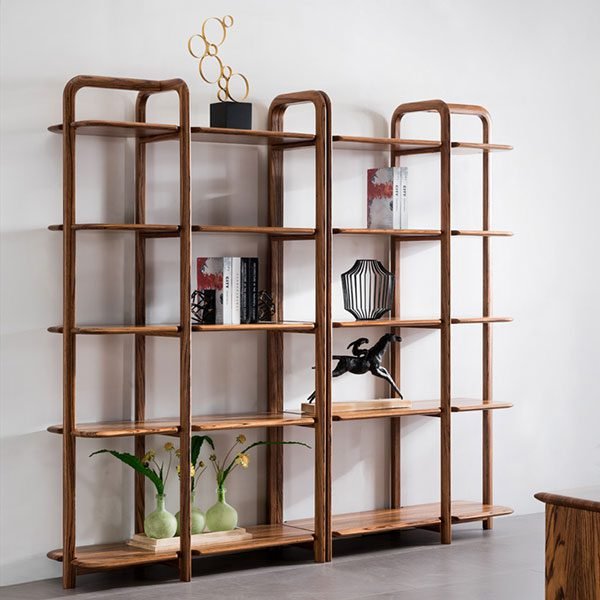
One of the key benefits of using shelving and wall units in a long living room is that they can help to break up the space and create distinct zones within the room. For example, you could use a tall bookshelf to separate the seating area from a dining space or a home office. This can help to define each area and make the room feel more cohesive and organized.
In addition to creating zones, shelving and wall units can also provide valuable storage space for books, decorative items, and other belongings. This can be especially useful in a long living room where floor space may be limited. By going vertical with your storage solutions, you can keep clutter at bay and maintain a clean and tidy living area.
When it comes to choosing shelving and wall units for your long living room, there are a few key factors to consider. First and foremost, you’ll want to think about the scale of the pieces in relation to the size of the room. Opt for taller units that can draw the eye upward and make the room feel more spacious. Additionally, consider the style and material of the shelving or wall unit to ensure that it complements the overall aesthetic of the room.
Another important consideration when using shelving and wall units in a long living room is the placement of the pieces. To create a balanced and visually appealing layout, try to distribute the shelving and wall units evenly throughout the room. This can help to create a sense of symmetry and prevent the space from feeling lopsided or cluttered.
In terms of styling your shelving and wall units, there are endless possibilities. You could use them to display a collection of books, artwork, or decorative objects. Alternatively, you could use them to store and organize items such as electronics, board games, or office supplies. The key is to strike a balance between functionality and aesthetics, creating a space that is both practical and visually appealing.
In conclusion, using shelving and wall units in a long living room can be a game-changer when it comes to layout and design. By going vertical with your storage solutions, you can create distinct zones, maximize storage space, and add visual interest to the room. Just remember to consider scale, placement, and styling when incorporating shelving and wall units into your living room layout. With a little creativity and planning, you can transform your long living room into a stylish and functional space that works for you.
Conclusion
When laying out furniture in a long living room, it is important to consider the flow of the space and create distinct zones for different activities. Start by placing the largest piece of furniture, such as a sofa, along the longest wall. Use rugs and lighting to define separate areas for seating, dining, and entertainment. Consider using versatile pieces like ottomans or benches that can be easily moved to accommodate different layouts. Experiment with different arrangements until you find one that maximizes the functionality and visual appeal of the room.