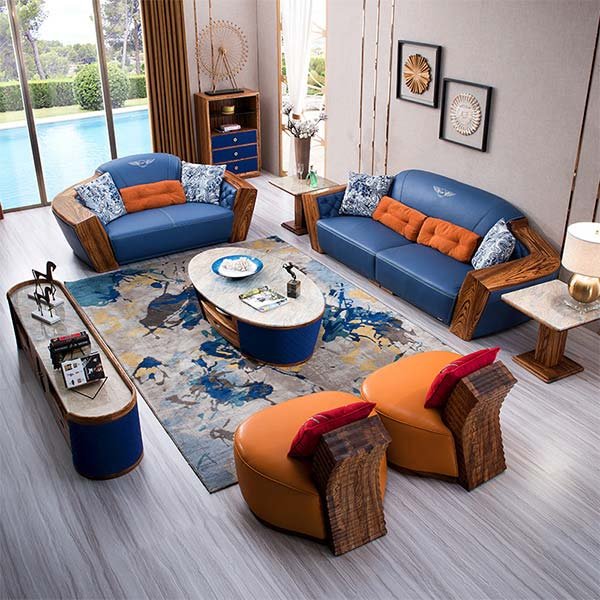
“Float your furniture for a modern and spacious living room design.”
Proper Placement of Furniture for Floating Effect
When it comes to arranging furniture in a living room, one popular design technique is floating furniture. This involves placing furniture away from walls and creating a more open and spacious feel in the room. Floating furniture can help to define different areas within a room, create a more inviting atmosphere, and make the space feel more balanced and visually appealing.
To achieve the floating effect in your living room, it is important to consider the layout of the room and the size and shape of the furniture you are working with. Start by determining the focal point of the room, whether it be a fireplace, a television, or a large window. This will help you to orient your furniture around this central point and create a cohesive and harmonious design.
When floating furniture, it is important to leave enough space between pieces to allow for easy movement and flow within the room. This will help to prevent the space from feeling cramped or cluttered. Consider the scale and proportion of the furniture you are using, and make sure that it fits comfortably within the space without overwhelming it.
One key element of floating furniture is creating conversation areas within the room. This can be achieved by grouping furniture together in a way that encourages interaction and socializing. Consider placing a sofa and two chairs facing each other, or arranging a sectional sofa in a way that creates a cozy and intimate seating area. This will help to make the room feel more inviting and welcoming to guests.
Another important aspect of floating furniture is creating a sense of balance and symmetry within the room. This can be achieved by placing furniture in a way that is visually pleasing and harmonious. Consider using pairs of chairs or tables to create a sense of symmetry, or arranging furniture in a way that creates a sense of flow and movement throughout the space.
When floating furniture, it is also important to consider the traffic flow within the room. Make sure that there is enough space for people to move around comfortably without bumping into furniture or feeling restricted. Consider creating pathways between furniture pieces that allow for easy movement and access to different areas of the room.
In addition to the layout and placement of furniture, consider the use of rugs, lighting, and accessories to enhance the floating effect in your living room. A well-placed rug can help to define different areas within the room and create a sense of cohesion and unity. Consider using rugs to anchor furniture groupings and create visual interest within the space.
When it comes to lighting, consider using a combination of overhead lighting, floor lamps, and table lamps to create a warm and inviting atmosphere. Lighting can help to highlight different areas within the room and create a sense of depth and dimension. Consider using dimmer switches to adjust the lighting levels to suit different moods and occasions.
Finally, consider the use of accessories to enhance the floating effect in your living room. Consider using artwork, throw pillows, and decorative objects to add color, texture, and visual interest to the space. Consider using a cohesive color palette and theme to tie the room together and create a sense of unity and harmony.
In conclusion, floating furniture in a living room can help to create a more open and spacious feel, define different areas within the room, and make the space feel more balanced and visually appealing. By considering the layout, scale, and proportion of furniture, creating conversation areas, and using rugs, lighting, and accessories to enhance the floating effect, you can create a stylish and inviting living room that is both functional and beautiful.
Choosing the Right Size and Scale of Furniture
When it comes to designing a living room, one of the most important aspects to consider is the arrangement of furniture. The way in which furniture is placed can greatly impact the overall look and feel of the space. One popular technique that interior designers use is floating furniture. Floating furniture involves placing pieces away from walls, creating a more open and inviting layout. In this article, we will discuss how to effectively float furniture in a living room.
The first step in floating furniture is to choose the right size and scale of pieces. It is important to consider the size of the room and the scale of the furniture in order to create a balanced and harmonious layout. When selecting furniture, be sure to measure the dimensions of the room and take note of any architectural features, such as windows or doors, that may impact the placement of furniture.
When floating furniture, it is important to choose pieces that are appropriately sized for the space. Oversized furniture can overwhelm a room, while undersized pieces can make the space feel empty and uninviting. Be sure to take into account the scale of the room and the other pieces of furniture when selecting items. For example, a large sectional sofa may not be the best choice for a small living room, as it can dominate the space and make it feel cramped.
In addition to size, it is also important to consider the scale of furniture when floating pieces in a living room. Scale refers to the proportion of furniture in relation to the size of the room. For example, a large coffee table may look out of place in a small living room, while a small side table may get lost in a large space. Be sure to choose pieces that are in proportion to the room and to each other in order to create a cohesive and visually appealing layout.
When selecting furniture for a floating layout, it can be helpful to create a floor plan to visualize how the pieces will fit together in the space. This can help you determine the best placement for each item and ensure that the layout is balanced and functional. Consider the flow of traffic in the room and leave enough space between pieces for easy movement. Be sure to also consider the placement of other elements, such as lighting and accessories, when creating your floor plan.
In conclusion, floating furniture in a living room can create a more open and inviting layout. When choosing the right size and scale of furniture, be sure to consider the dimensions of the room, the scale of the furniture, and how the pieces will fit together in the space. By carefully selecting and arranging furniture, you can create a stylish and functional living room that is perfect for relaxing and entertaining.
Utilizing Area Rugs to Define Floating Spaces
When it comes to arranging furniture in a living room, one popular design technique is floating furniture. This involves placing furniture away from walls, creating a more open and inviting space. However, floating furniture can sometimes leave a room feeling disjointed or lacking definition. One way to address this issue is by utilizing area rugs to define floating spaces.
Area rugs are a versatile design element that can help anchor furniture groupings and create visual boundaries within a room. When floating furniture, it’s important to choose the right size and shape of area rug to complement the layout. A rug that is too small can make the furniture arrangement feel disconnected, while a rug that is too large can overwhelm the space.
To define a floating seating area, consider placing a large area rug underneath the main furniture pieces, such as a sofa and chairs. This will help tie the furniture together and create a cohesive grouping. Make sure the rug is large enough to accommodate all of the furniture legs, creating a unified look.
In an open-concept living room, area rugs can also be used to delineate different functional areas. For example, a rug can be used to define a seating area from a dining area, or a reading nook from a TV-watching area. By using rugs to create visual boundaries, you can maintain an open feel while still giving each space its own identity.
When selecting an area rug for a floating furniture arrangement, consider the style and color of the rug in relation to the rest of the room. A rug with a bold pattern or vibrant color can add visual interest and tie the room together. Alternatively, a neutral rug can create a more subtle backdrop for the furniture and allow other design elements to shine.
In addition to defining spaces, area rugs can also help improve the acoustics of a room. Hard surfaces like wood or tile floors can create echoes and make a room feel noisy. Placing a rug underneath furniture can help absorb sound and create a more comfortable environment for conversation and relaxation.
When it comes to maintaining a floating furniture arrangement with area rugs, it’s important to consider the placement of the rug in relation to the furniture. Make sure the rug is centered under the main furniture pieces and extends beyond the edges of the furniture to create a balanced look. Additionally, consider layering rugs for added texture and visual interest.
In conclusion, utilizing area rugs to define floating spaces in a living room can help create a cohesive and inviting design. By choosing the right size, shape, and style of rug, you can anchor furniture groupings, delineate functional areas, and improve the acoustics of the room. Whether you prefer a bold pattern or a neutral backdrop, area rugs are a versatile design element that can enhance the overall look and feel of your living space.
Conclusion
To float furniture in a living room, consider the following tips:
1. Leave space between the furniture and walls.
2. Use area rugs to define separate seating areas.
3. Arrange furniture in a way that promotes conversation and flow.
4. Use versatile pieces that can be easily moved around.
5. Consider the scale and proportion of the furniture in relation to the room.
In conclusion, floating furniture in a living room can create a more open and inviting space for socializing and relaxation. By following these tips, you can achieve a balanced and visually appealing layout that maximizes both function and style.