“Create the perfect space with a well-designed living room furniture layout.”
Maximizing Space in a Small Living Room
Designing the layout of your living room furniture is crucial in maximizing the space and creating a functional and aesthetically pleasing environment. This is especially important in small living rooms where every inch counts. By carefully planning and arranging your furniture, you can make the most of the available space and create a cozy and inviting atmosphere.
One of the first things to consider when designing the layout of your living room furniture is the size and shape of the room. Take measurements of the room and sketch out a floor plan to help visualize how the furniture will fit. Consider the placement of windows, doors, and other architectural features that may impact the layout.
When arranging furniture in a small living room, it is important to prioritize the most essential pieces. Start by placing the largest piece of furniture, such as a sofa or sectional, against a wall to create a focal point and anchor the room. This will help to open up the space and make the room feel larger.
Once the largest piece of furniture is in place, consider the placement of other key pieces such as armchairs, coffee tables, and entertainment centers. Arrange these pieces in a way that allows for easy traffic flow and conversation. Avoid blocking pathways or placing furniture too close together, as this can make the room feel cramped and cluttered.
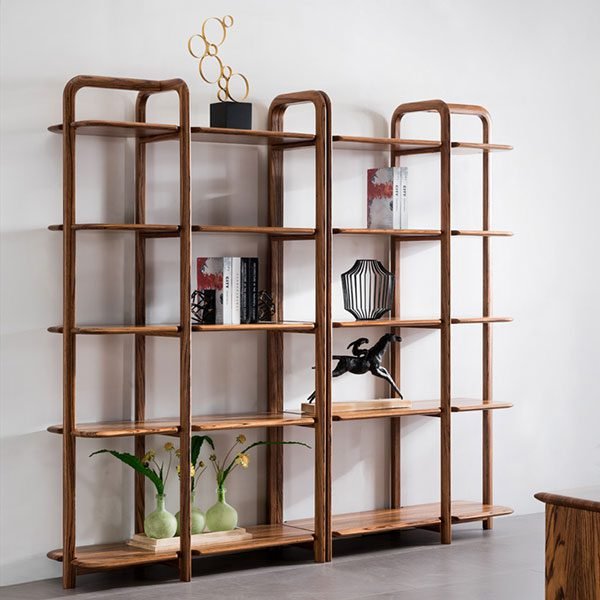
In small living rooms, it is important to make use of vertical space to maximize storage and functionality. Consider incorporating wall-mounted shelves, floating cabinets, or built-in storage units to keep clutter at bay and make the most of limited floor space. This will help to create a more organized and visually appealing living room.
When selecting furniture for a small living room, choose pieces that are appropriately scaled to the size of the room. Opt for furniture with clean lines and simple designs to create a sense of openness and airiness. Avoid bulky or oversized furniture that can overwhelm the space and make it feel crowded.
Incorporating multifunctional furniture is another great way to maximize space in a small living room. Look for pieces that serve dual purposes, such as a coffee table with built-in storage or a sofa bed for overnight guests. This will help to make the most of limited space and ensure that every piece of furniture serves a practical function.
When designing the layout of your living room furniture, don’t be afraid to experiment with different arrangements until you find the perfect setup. Consider the flow of the room, the placement of windows and doors, and the overall aesthetic you want to achieve. By carefully planning and arranging your furniture, you can create a functional and stylish living room that maximizes space and enhances your daily living experience.
Creating a Focal Point with Furniture Arrangement
Designing the layout of your living room furniture is an important aspect of creating a functional and visually appealing space. One key element to consider when arranging your furniture is creating a focal point. A focal point is a central element in a room that draws the eye and anchors the space. By strategically placing furniture around a focal point, you can create a sense of balance and harmony in your living room.
When designing your living room furniture layout, it’s important to first identify the focal point of the room. This could be a fireplace, a large window with a beautiful view, a piece of artwork, or even a statement piece of furniture. Once you have identified your focal point, you can begin arranging your furniture around it to highlight and enhance its presence in the room.
One common way to create a focal point with furniture arrangement is to place the largest piece of furniture in the room facing the focal point. For example, if your focal point is a fireplace, you could position your sofa directly across from it to create a cozy seating area that draws attention to the fireplace. This arrangement not only highlights the focal point but also creates a sense of balance in the room.
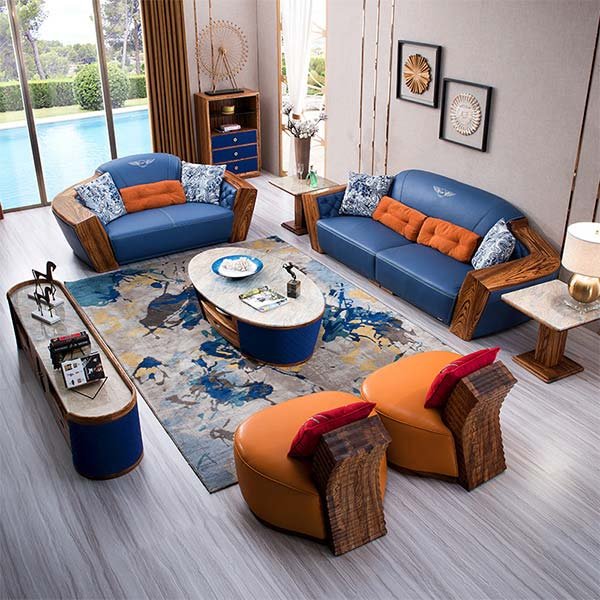
In addition to positioning the largest piece of furniture facing the focal point, you can also use smaller pieces of furniture to further enhance the focal point. For example, you could place a pair of armchairs on either side of the fireplace to create a symmetrical seating arrangement that frames the focal point. Adding a coffee table or a rug in front of the seating area can help to tie the arrangement together and create a cohesive look.
Another way to create a focal point with furniture arrangement is to use contrasting shapes and sizes. For example, if your focal point is a large window, you could place a round coffee table in front of it to create visual interest and draw attention to the window. Mixing different shapes and sizes of furniture can help to create a dynamic and visually appealing arrangement that highlights the focal point.
When arranging your furniture around a focal point, it’s important to consider the flow of traffic in the room. Make sure that there is enough space for people to move around comfortably and that the furniture arrangement doesn’t block any doorways or pathways. You may need to experiment with different furniture layouts to find the one that works best for your space.
In conclusion, creating a focal point with furniture arrangement is an important aspect of designing a living room layout. By strategically placing furniture around a central element in the room, you can create a sense of balance and harmony that enhances the overall look and feel of the space. Whether your focal point is a fireplace, a window, or a piece of artwork, using these tips can help you create a functional and visually appealing living room furniture layout.
Balancing Functionality and Aesthetics in Furniture Layout
Designing the layout of your living room furniture is a crucial aspect of creating a functional and aesthetically pleasing space. Balancing functionality and aesthetics is key to ensuring that your living room is both comfortable and visually appealing. When designing your living room furniture layout, there are several factors to consider to achieve this balance.
One of the first things to consider when designing your living room furniture layout is the size and shape of the room. It is important to take accurate measurements of the space to ensure that your furniture fits properly and allows for easy movement throughout the room. Consider the placement of windows, doors, and other architectural features when determining where to place your furniture.
Once you have a good understanding of the size and shape of your living room, consider the function of the space. Think about how you and your family will use the room on a daily basis. Will it be a space for entertaining guests, watching TV, or relaxing with a book? This will help you determine the types of furniture you need and how to arrange it for optimal functionality.
When arranging your furniture, it is important to create a focal point in the room. This could be a fireplace, a large window with a view, or a piece of artwork. Arrange your furniture around this focal point to create a sense of balance and harmony in the room. Consider the scale and proportion of your furniture pieces to ensure that they complement each other and the overall design of the room.
Another important factor to consider when designing your living room furniture layout is traffic flow. Make sure that there is enough space between furniture pieces to allow for easy movement throughout the room. Avoid placing furniture in high-traffic areas or blocking doorways and pathways. Consider creating distinct zones within the room for different activities, such as a seating area for conversation or a reading nook for relaxation.
When selecting furniture for your living room, consider the style and color scheme of the room. Choose pieces that complement the overall design aesthetic and create a cohesive look. Mix and match different styles and textures to add visual interest and personality to the space. Consider the scale of your furniture pieces in relation to the size of the room to ensure that they fit comfortably without overwhelming the space.
In conclusion, designing the layout of your living room furniture is a balancing act between functionality and aesthetics. Consider the size and shape of the room, the function of the space, and the traffic flow when arranging your furniture. Create a focal point in the room and consider the scale, proportion, and style of your furniture pieces to achieve a harmonious and visually appealing design. By carefully planning and arranging your living room furniture, you can create a space that is both functional and beautiful for you and your family to enjoy.
Conclusion
When designing a living room furniture layout, consider the size and shape of the room, the function of the space, traffic flow, and the placement of key pieces such as the sofa and coffee table. It is important to create a balanced and visually appealing arrangement that allows for easy movement and conversation. Experiment with different layouts and furniture arrangements to find the best design for your space.