“Create your perfect space with stylish and functional living room furniture designs.”
Choosing the Right Sofa for Your Living Room
Designing the perfect living room furniture can be a daunting task, but with the right guidance, you can create a space that is both functional and stylish. One of the most important pieces of furniture in any living room is the sofa. The sofa is often the focal point of the room and sets the tone for the rest of the space. When choosing a sofa for your living room, there are several factors to consider to ensure that you select the right piece for your needs.
First and foremost, it is important to consider the size of your living room when choosing a sofa. A large, overstuffed sofa may overwhelm a small space, while a small sofa may get lost in a large room. Measure the dimensions of your living room and consider how much space you have available for a sofa. This will help you determine the size of sofa that will best fit your space.
In addition to size, it is important to consider the style of the sofa. There are many different styles of sofas to choose from, ranging from traditional to modern. Consider the overall aesthetic of your living room and choose a sofa that complements the existing decor. If you have a more traditional living room, a classic rolled-arm sofa may be the perfect choice. For a more modern space, a sleek, low-profile sofa may be more appropriate.
Another important factor to consider when choosing a sofa is comfort. After all, the sofa is a place where you will spend a significant amount of time relaxing and entertaining guests. Consider the depth of the sofa, as well as the firmness of the cushions. Sit on several different sofas to determine which one is the most comfortable for you. Remember, a sofa may look beautiful, but if it is not comfortable, you will not enjoy spending time on it.
When selecting a sofa for your living room, it is also important to consider the durability of the fabric. The sofa is likely to be one of the most used pieces of furniture in your home, so it is important to choose a fabric that can withstand daily wear and tear. Look for fabrics that are stain-resistant and easy to clean, especially if you have children or pets. Additionally, consider the color and pattern of the fabric. A neutral color or a classic pattern will ensure that your sofa remains timeless and versatile.
Finally, consider the cost of the sofa when making your decision. Sofas can range in price from a few hundred dollars to several thousand dollars, so it is important to set a budget before you begin shopping. Remember that a high-quality sofa is an investment that will last for many years, so it may be worth spending a little more to get a piece that is well-made and durable.
In conclusion, choosing the right sofa for your living room is an important decision that requires careful consideration. By taking into account factors such as size, style, comfort, durability, and cost, you can select a sofa that will enhance your living room and provide you with years of comfort and enjoyment. With the right sofa, your living room will become a welcoming and stylish space that you can be proud to show off to family and friends.
Maximizing Space with Multi-functional Furniture Pieces
Designing a living room can be a challenging task, especially when it comes to maximizing space. One way to make the most of a small living room is by incorporating multi-functional furniture pieces. These versatile items not only save space but also add functionality and style to the room. In this article, we will explore some tips on how to design living room furniture that maximizes space with multi-functional pieces.
One of the key elements in designing a living room with multi-functional furniture is to prioritize the items that serve more than one purpose. For example, a sofa bed can be a great addition to a small living room as it can serve as both seating during the day and a bed for guests at night. This type of furniture not only saves space but also adds versatility to the room.
Another way to maximize space in a living room is by choosing furniture pieces that offer storage solutions. Coffee tables with built-in storage compartments or ottomans with hidden storage are great options for keeping the room organized and clutter-free. By incorporating these types of furniture pieces, you can create a more functional and efficient living space.
When selecting multi-functional furniture pieces for a small living room, it is important to consider the scale and proportion of the items. Opt for furniture that is appropriately sized for the room to avoid overwhelming the space. Additionally, choose pieces that complement the overall design aesthetic of the room to create a cohesive and harmonious look.
Incorporating modular furniture is another effective way to maximize space in a living room. Modular furniture allows you to customize the layout of the room based on your needs and preferences. For example, modular sectionals can be rearranged to create different seating configurations, making them ideal for small living rooms with limited space.
When designing a living room with multi-functional furniture, it is essential to consider the flow and layout of the room. Arrange the furniture in a way that promotes easy movement and accessibility. Avoid blocking pathways or creating obstacles that can impede the functionality of the space.
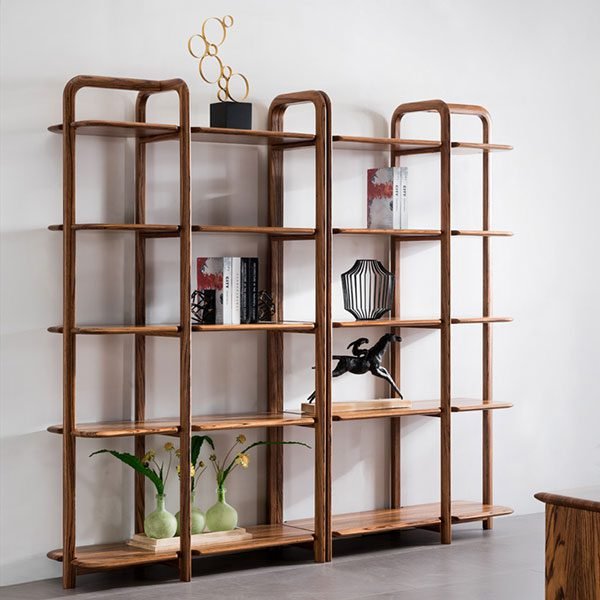
In addition to selecting multi-functional furniture pieces, incorporating dual-purpose accessories can also help maximize space in a living room. For example, wall-mounted shelves can serve as both decorative elements and storage solutions. Similarly, decorative baskets or bins can be used to store items while adding visual interest to the room.
When designing a living room with multi-functional furniture, it is important to strike a balance between functionality and aesthetics. Choose furniture pieces that not only serve a practical purpose but also enhance the overall design of the room. Consider the color, material, and style of the furniture to create a cohesive and visually appealing space.
In conclusion, designing a living room with multi-functional furniture is a great way to maximize space and create a more functional and efficient living space. By prioritizing items that serve multiple purposes, incorporating storage solutions, and considering scale and proportion, you can create a stylish and practical living room that meets your needs and enhances your lifestyle.
Incorporating Trendy Colors and Patterns into Your Living Room Design
Designing your living room furniture can be a fun and exciting process. One way to make your living room stand out is by incorporating trendy colors and patterns into your design. By following some simple tips and tricks, you can create a space that is both stylish and functional.
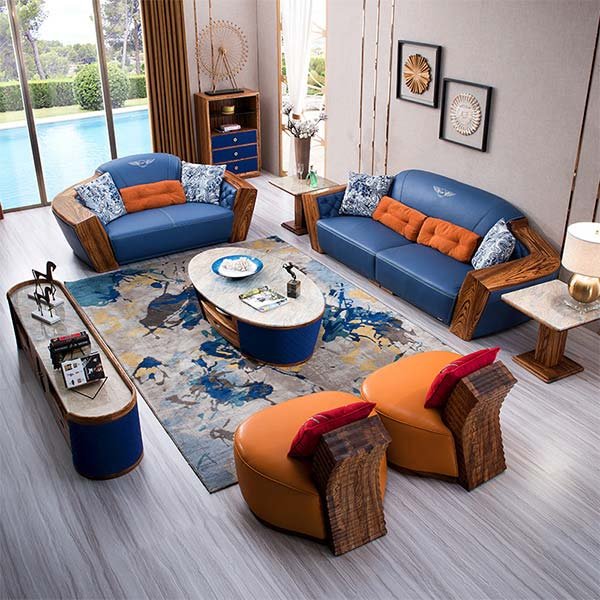
When it comes to choosing colors for your living room furniture, it’s important to consider the overall aesthetic of the room. If you have a neutral color scheme, you can add pops of color with accent pieces such as throw pillows, rugs, or curtains. Bold colors like emerald green, navy blue, or mustard yellow can add a touch of drama to your space.
Another way to incorporate trendy colors into your living room design is by choosing furniture pieces in on-trend hues. For example, a velvet sofa in a rich jewel tone can make a bold statement in your living room. You can also mix and match different colors and textures to create a unique and eclectic look.
In addition to colors, patterns can also play a big role in your living room design. Mixing and matching patterns can add visual interest and depth to your space. For example, you can pair a floral print armchair with a geometric patterned rug for a modern and eclectic look. Just be sure to balance out bold patterns with more subtle ones to avoid overwhelming the space.
When incorporating patterns into your living room furniture, it’s important to consider the scale of the patterns. Large-scale patterns can make a bold statement, while smaller-scale patterns can add a subtle touch of texture. Mixing different scales of patterns can create a dynamic and visually appealing space.
In addition to colors and patterns, texture is another important element to consider when designing your living room furniture. Mixing different textures can add depth and dimension to your space. For example, you can pair a leather sofa with a plush velvet ottoman for a luxurious and inviting look. Adding texture through throw blankets, pillows, and rugs can also help to create a cozy and inviting atmosphere.
When designing your living room furniture, it’s important to consider the overall flow and layout of the space. Make sure to leave enough room for traffic flow and ensure that your furniture is arranged in a way that promotes conversation and interaction. Consider the function of each piece of furniture and how it will be used in the space.
In conclusion, incorporating trendy colors and patterns into your living room design can help to create a stylish and inviting space. By following some simple tips and tricks, you can create a space that is both functional and on-trend. Remember to consider the overall aesthetic of the room, mix and match colors and patterns, and add texture to create a dynamic and visually appealing space. With a little creativity and imagination, you can design living room furniture that reflects your personal style and taste.
Conclusion
When designing living room furniture, it is important to consider both style and functionality. Choose pieces that are comfortable, durable, and fit the overall aesthetic of the room. Additionally, consider the layout of the space and how the furniture will be used by those who live in the home. By carefully selecting and arranging living room furniture, you can create a welcoming and functional space for relaxing and entertaining.