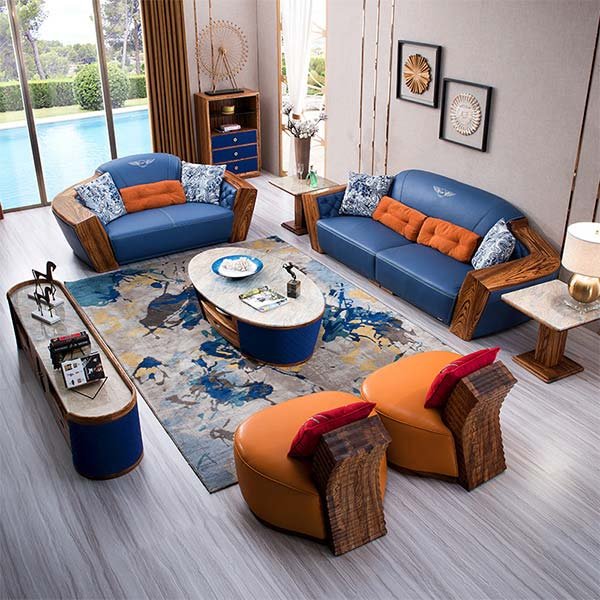
“Timeless elegance meets modern comfort with leather furniture in your living room.”
Mixing Leather with Fabric Upholstery
When it comes to decorating a living room with leather furniture, one of the key considerations is how to mix leather with fabric upholstery. This can be a challenging task, as the two materials have different textures and colors that need to be carefully coordinated to create a cohesive look. However, with some careful planning and attention to detail, it is possible to create a stylish and harmonious living room that combines the warmth and durability of leather with the softness and versatility of fabric upholstery.
One of the first things to consider when mixing leather with fabric upholstery is the color scheme. Leather furniture comes in a variety of colors, from rich browns and blacks to more vibrant shades like red or blue. When choosing fabric upholstery to complement your leather furniture, it is important to select colors that harmonize with the leather rather than clash with it. For example, if you have a dark brown leather sofa, consider choosing fabric upholstery in neutral tones like beige or cream to create a sophisticated and elegant look.
In addition to color, texture is another important factor to consider when mixing leather with fabric upholstery. Leather has a smooth and sleek texture that can be complemented by the softness and warmth of fabric upholstery. Consider choosing fabrics with different textures, such as velvet or chenille, to add depth and visual interest to your living room. Mixing different textures can also help to create a more dynamic and inviting space that feels cozy and welcoming.
When selecting fabric upholstery to mix with leather furniture, it is also important to consider the style of the furniture. Leather furniture tends to have a more traditional and classic look, so choosing fabric upholstery that complements this style is key. For example, if you have a leather Chesterfield sofa, consider pairing it with fabric armchairs in a similar style to create a cohesive and harmonious look. Mixing different styles can create a disjointed and cluttered look, so it is important to choose fabric upholstery that complements the overall aesthetic of your living room.
Another important consideration when mixing leather with fabric upholstery is the scale of the furniture. Leather furniture tends to have a larger and more substantial presence in a room, so it is important to choose fabric upholstery that is in proportion to the leather pieces. For example, if you have a large leather sectional sofa, consider pairing it with smaller fabric armchairs to create a balanced and visually appealing arrangement. Mixing furniture of different scales can create a sense of imbalance and make the room feel crowded, so it is important to choose fabric upholstery that complements the size and scale of your leather furniture.
In conclusion, mixing leather with fabric upholstery in a living room can be a challenging but rewarding task. By carefully considering factors such as color, texture, style, and scale, it is possible to create a stylish and harmonious living room that combines the warmth and durability of leather with the softness and versatility of fabric upholstery. With some careful planning and attention to detail, you can create a space that is both inviting and visually appealing, where you can relax and entertain in style.
Choosing the Right Color Scheme
When it comes to decorating a living room with leather furniture, choosing the right color scheme is crucial in creating a cohesive and visually appealing space. Leather furniture is a timeless and versatile choice that can work well with a variety of color palettes. Whether you prefer a classic, modern, or eclectic look, there are several factors to consider when selecting the perfect colors for your living room.
One of the first things to consider when choosing a color scheme for a living room with leather furniture is the color of the leather itself. Leather furniture comes in a range of colors, from classic black and brown to more unique shades like navy blue or burgundy. The color of your leather furniture will set the tone for the rest of the room, so it’s important to choose colors that complement and enhance the leather rather than clash with it.
If you have a neutral-colored leather sofa, such as black or brown, you have the flexibility to experiment with a wide range of color schemes. Neutral colors like white, cream, and gray can create a clean and sophisticated look when paired with leather furniture. These colors can help to balance out the richness of the leather and create a sense of harmony in the room.
For a more dramatic look, consider incorporating bold accent colors into your color scheme. Jewel tones like emerald green, sapphire blue, and ruby red can add a touch of luxury and sophistication to a living room with leather furniture. These colors can be used in throw pillows, rugs, curtains, and other accessories to create a cohesive and visually striking space.
If you prefer a more subtle and understated look, consider using a monochromatic color scheme in your living room. This involves using varying shades of the same color throughout the room to create a sense of cohesion and harmony. For example, if you have a brown leather sofa, you could use different shades of brown, beige, and taupe to create a warm and inviting space.
When choosing a color scheme for a living room with leather furniture, it’s also important to consider the overall style and aesthetic of the room. If you have a modern or contemporary living room, you may want to stick to a more minimalist color palette with clean lines and simple, understated colors. On the other hand, if you have a traditional or eclectic style, you may want to incorporate more vibrant colors and patterns into your color scheme.
In addition to considering the color of your leather furniture and the overall style of the room, it’s also important to think about the natural light in the space. Natural light can have a significant impact on how colors appear in a room, so it’s important to take this into account when choosing a color scheme. If your living room gets a lot of natural light, you may want to opt for lighter colors that will reflect the light and create a bright and airy space. On the other hand, if your living room is on the darker side, you may want to choose richer, deeper colors that will add warmth and coziness to the room.
In conclusion, choosing the right color scheme for a living room with leather furniture is an important step in creating a cohesive and visually appealing space. By considering the color of your leather furniture, the overall style of the room, and the natural light in the space, you can create a color scheme that enhances the beauty of your leather furniture and creates a welcoming and stylish living room.
Adding Texture with Decorative Pillows and Throws
When it comes to decorating a living room with leather furniture, adding texture with decorative pillows and throws can make a significant impact on the overall look and feel of the space. Leather furniture can sometimes feel cold and uninviting, but by incorporating soft and cozy textures, you can create a warm and inviting atmosphere that is both stylish and comfortable.
One of the easiest ways to add texture to a living room with leather furniture is by using decorative pillows. Pillows come in a variety of shapes, sizes, and textures, so you can mix and match to create a unique and personalized look. Consider using pillows made from materials like velvet, faux fur, or knit to add warmth and softness to your leather furniture. You can also play with different patterns and colors to create visual interest and tie the room together.
Throws are another great way to add texture to a living room with leather furniture. Drape a cozy throw over the back of a sofa or armchair to create a layered and inviting look. Throws made from materials like wool, cashmere, or fleece can add warmth and comfort to your space, while also providing a touch of luxury. You can choose throws in neutral colors for a subtle and sophisticated look, or opt for bold patterns and bright colors to make a statement.
In addition to adding texture, decorative pillows and throws can also help to break up the monotony of a room filled with leather furniture. By incorporating different textures and materials, you can create a more dynamic and visually interesting space. Mix and match pillows and throws in different sizes, shapes, and colors to create a layered and cohesive look that complements your leather furniture.
When choosing decorative pillows and throws for your living room, consider the overall style and color scheme of the space. If you have a modern and minimalist living room, opt for pillows and throws in neutral colors and simple patterns to maintain a clean and streamlined look. For a more traditional or eclectic space, feel free to mix and match different textures, patterns, and colors to create a cozy and inviting atmosphere.
When arranging decorative pillows and throws on your leather furniture, consider the scale and proportion of the pieces. Avoid overcrowding the furniture with too many pillows or throws, as this can make the space feel cluttered and overwhelming. Instead, choose a few key pieces that complement the size and shape of your furniture, and arrange them in a way that feels balanced and visually appealing.
In conclusion, adding texture with decorative pillows and throws is a simple and effective way to enhance the look and feel of a living room with leather furniture. By incorporating soft and cozy textures, you can create a warm and inviting atmosphere that is both stylish and comfortable. Experiment with different materials, patterns, and colors to create a personalized and cohesive look that complements your leather furniture and reflects your personal style.
Conclusion
When decorating a living room with leather furniture, consider the following tips:
1. Choose a color scheme that complements the leather furniture.
2. Mix and match different textures to add visual interest.
3. Incorporate soft textiles like rugs and throw pillows to balance the sleekness of the leather.
4. Add personal touches with artwork, decorative objects, and plants.
5. Consider the layout and flow of the room to ensure the furniture is arranged in a functional and aesthetically pleasing way.
In conclusion, decorating a living room with leather furniture can create a sophisticated and inviting space. By following these tips, you can achieve a cohesive and stylish look that showcases the beauty of your leather pieces.