“Maximize space and style with strategic furniture placement in your open living/dining room.”
Utilizing Area Rugs to Define Spaces
When it comes to arranging furniture in an open living/dining room, one of the key challenges is defining separate spaces within the larger room. This can be particularly tricky when you have an open floor plan that combines the living and dining areas into one cohesive space. However, there are several strategies you can use to create distinct zones within the room, and one of the most effective ways to do this is by utilizing area rugs.
Area rugs are a versatile and practical design element that can help anchor furniture groupings and define specific areas within a larger space. By strategically placing area rugs in key locations, you can visually separate the living and dining areas while still maintaining an open and cohesive feel in the room.
One of the most common ways to use area rugs in an open living/dining room is to place a rug under the dining table. This helps to define the dining area and create a sense of intimacy and coziness within the larger space. When choosing a rug for the dining area, make sure it is large enough to accommodate the table and chairs comfortably, with at least 24 inches of rug extending beyond the edges of the table to allow for easy movement of chairs.
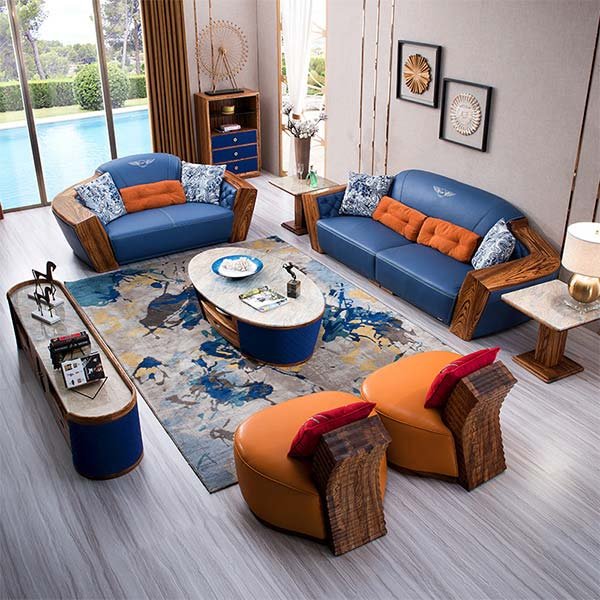
In the living area, you can use a larger area rug to anchor the seating arrangement and create a cozy conversation area. Placing the front legs of the sofa and chairs on the rug helps to visually connect the furniture pieces and define the living area within the larger room. Make sure the rug is large enough to accommodate all of the furniture in the seating arrangement, with at least 12-18 inches of rug extending beyond the edges of the furniture to create a cohesive look.
If you have a large open living/dining room with multiple seating areas, you can use multiple area rugs to define each space. For example, you could place a rug under the dining table, another rug under the coffee table in the living area, and a third rug under a reading nook or accent chair. This helps to create distinct zones within the room while still maintaining a sense of flow and continuity throughout the space.
When choosing area rugs for an open living/dining room, consider the overall color scheme and style of the room. Opt for rugs that complement the existing decor and furniture, and choose patterns and textures that add visual interest without overwhelming the space. You can also mix and match different rugs to create a layered look that adds depth and dimension to the room.
In conclusion, utilizing area rugs is a practical and effective way to define spaces in an open living/dining room. By strategically placing rugs in key locations, you can create distinct zones within the larger room while still maintaining a sense of openness and flow. Whether you opt for a single large rug to anchor the seating area or multiple rugs to define separate spaces, area rugs are a versatile design element that can help you make the most of your open living/dining room layout.
Creating a Focal Point with Furniture Placement
Arranging furniture in an open living/dining room can be a challenging task, as you want to create a cohesive and functional space that allows for easy flow and conversation. One key aspect to consider when arranging furniture in an open living/dining room is creating a focal point. A focal point is a central element in a room that draws the eye and anchors the space. By strategically placing furniture around a focal point, you can create a sense of balance and harmony in the room.
When determining a focal point in your open living/dining room, consider the architectural features of the space. This could be a fireplace, a large window with a beautiful view, or a built-in bookcase. Once you have identified the focal point, arrange your furniture around it to highlight and enhance its presence. For example, if your focal point is a fireplace, you could place a sofa and a couple of armchairs facing the fireplace to create a cozy seating area.
Another important consideration when arranging furniture in an open living/dining room is the layout of the space. It’s essential to create distinct zones for living and dining while still maintaining a sense of openness and flow. One way to achieve this is by using area rugs to define each area. For example, you could place a rug under the dining table to delineate the dining area and another rug under the seating area to define the living space.
In addition to using area rugs, you can also use furniture placement to create separate zones in an open living/dining room. For example, you could position a sofa or a console table behind the dining table to visually separate the two areas. This not only helps define each space but also creates a sense of balance and symmetry in the room.
When arranging furniture in an open living/dining room, it’s important to consider the scale and proportion of the pieces. Make sure that the furniture is appropriately sized for the space and that there is enough room for people to move around comfortably. Avoid overcrowding the room with too much furniture, as this can make the space feel cramped and cluttered.
In terms of furniture placement, consider the traffic flow in the room. Make sure that there is enough space between pieces of furniture to allow for easy movement. You don’t want to have to navigate around obstacles or squeeze past furniture to get from one area to another. By arranging furniture in a way that allows for smooth traffic flow, you can create a more functional and inviting space.
In conclusion, arranging furniture in an open living/dining room requires careful consideration of the focal point, layout, scale, proportion, and traffic flow. By creating a focal point with furniture placement, you can anchor the space and create a sense of balance and harmony. Using area rugs and furniture placement to define separate zones can help maintain a sense of openness while still delineating distinct areas. By following these tips, you can create a well-designed and functional open living/dining room that is both stylish and inviting.
Incorporating Versatile Pieces for Dual Functionality
Arranging furniture in an open living/dining room can be a challenging task, as you want to create distinct areas for both functions while maintaining a cohesive and harmonious overall look. One way to achieve this is by incorporating versatile pieces that can serve dual purposes in both spaces.
One versatile piece that can be used in both the living and dining areas is a console table. Placed against a wall, a console table can act as a serving area for the dining room, providing extra storage for dishes, glasses, and utensils. In the living room, the console table can serve as a decorative focal point, displaying art, photos, or decorative objects. By choosing a console table with a slim profile and open shelving, you can create a sense of openness and flow between the two spaces.
Another versatile piece to consider is a storage ottoman. In the dining room, a storage ottoman can be used as extra seating for guests or as a place to rest your feet while dining. In the living room, the ottoman can serve as a coffee table, providing a place to set drinks, snacks, or books. Look for an ottoman with a removable top that reveals hidden storage space, allowing you to keep clutter at bay in both areas.
A bar cart is another versatile piece that can be used in both the living and dining areas. In the dining room, a bar cart can serve as a mobile serving station, holding drinks, glassware, and bar accessories. In the living room, the bar cart can be used as a decorative accent, displaying plants, books, or decorative objects. Choose a bar cart with wheels for easy mobility between the two spaces, allowing you to effortlessly transition from entertaining guests in the dining room to relaxing in the living room.
When arranging furniture in an open living/dining room, it’s important to consider the scale and proportion of each piece. Choose furniture that is appropriately sized for the space, taking into account the dimensions of the room and the placement of doors, windows, and other architectural features. Avoid overcrowding the space with oversized furniture, as this can make the room feel cramped and cluttered. Instead, opt for furniture with clean lines and a streamlined silhouette to create a sense of openness and flow.
Incorporating versatile pieces for dual functionality in an open living/dining room can help you make the most of your space while creating distinct areas for both functions. By choosing furniture that can serve multiple purposes in both spaces, you can achieve a cohesive and harmonious overall look that is both stylish and functional. With careful planning and thoughtful consideration, you can create a space that is both inviting and practical for everyday living.
Conclusion
When arranging furniture in an open living/dining room, consider the following tips:
1. Define separate areas for living and dining by using rugs, lighting, or furniture placement.
2. Create flow by leaving enough space for walking and moving between the two areas.
3. Use multipurpose furniture, such as a dining table that can also serve as a workspace or extra seating.
4. Consider the scale of the furniture in relation to the size of the room to ensure a balanced look.
5. Add personal touches and decor to make the space feel cohesive and inviting.
In conclusion, arranging furniture in an open living/dining room requires thoughtful planning and consideration of both functionality and aesthetics. By following these tips, you can create a harmonious and stylish space that meets your needs and reflects your personal style.