“Maximize space and style with strategic furniture placement in your open living dining room.”
Utilizing Area Rugs to Define Spaces
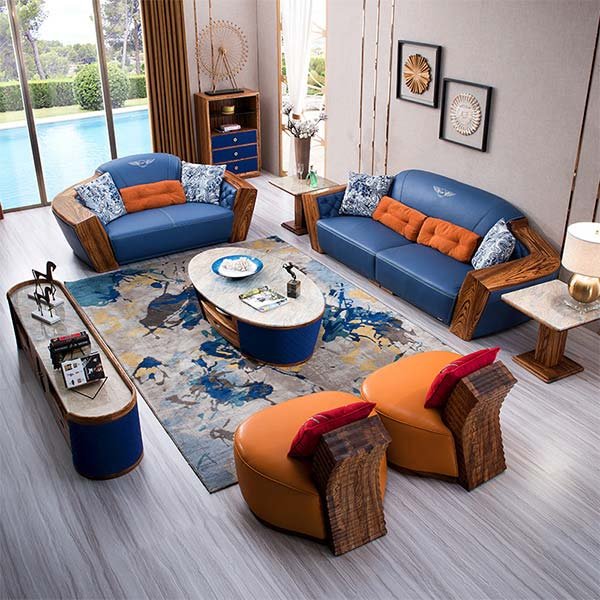
When it comes to arranging furniture in an open living dining room, one of the key elements to consider is how to define the different spaces within the room. One effective way to do this is by utilizing area rugs. Area rugs can help to visually separate the living and dining areas, creating distinct zones within the room.
When selecting area rugs for an open living dining room, it’s important to choose rugs that are large enough to anchor the furniture in each area. In the living area, a rug should be large enough to accommodate the main seating area, including the sofa, chairs, and coffee table. In the dining area, a rug should be large enough to fit the dining table and chairs comfortably.
In terms of style, the rugs in each area can be coordinated to create a cohesive look, or they can be different to add visual interest. For example, a neutral rug in the living area can be paired with a bold patterned rug in the dining area to create a dynamic contrast. Alternatively, matching rugs in both areas can help to tie the room together and create a sense of unity.
In addition to defining the spaces within the room, area rugs can also help to add warmth and texture to an open living dining room. A plush rug in the living area can create a cozy atmosphere, while a flatweave rug in the dining area can add a touch of sophistication. By choosing rugs that complement the overall style of the room, you can enhance the look and feel of the space.
When placing area rugs in an open living dining room, it’s important to consider the layout of the furniture in each area. In the living area, the rug should be centered under the main seating area, with the front legs of the sofa and chairs resting on the rug. In the dining area, the rug should be centered under the dining table, with enough space around the edges for the chairs to be pulled out comfortably.
To create a cohesive look, the rugs in each area should be aligned with each other and with the walls of the room. This will help to visually connect the two spaces and create a sense of balance. Additionally, using rugs with similar colors or patterns can help to tie the room together and create a harmonious overall look.
In conclusion, utilizing area rugs is a great way to define spaces in an open living dining room. By choosing rugs that are large enough to anchor the furniture in each area, coordinating the style of the rugs, and aligning them with the layout of the room, you can create a cohesive and visually appealing space. Area rugs not only help to separate the living and dining areas, but they also add warmth, texture, and style to the room. So next time you’re arranging furniture in an open living dining room, consider incorporating area rugs to help define and enhance the space.
Creating a Focal Point with Furniture Placement
Arranging furniture in an open living dining room can be a challenging task. With no walls to guide you, it can be difficult to create a cohesive and functional layout. However, with some careful planning and strategic placement, you can create a space that is both stylish and practical.
One of the key elements to consider when arranging furniture in an open living dining room is creating a focal point. A focal point is a central element in the room that draws the eye and anchors the space. This could be a fireplace, a large window, or a piece of artwork. By arranging your furniture around this focal point, you can create a sense of balance and harmony in the room.
When choosing a focal point, consider the size and scale of the room. If you have a large open space, a fireplace or a large piece of artwork may be the perfect focal point. If your space is smaller, a window or a smaller piece of artwork may work better. Once you have chosen your focal point, arrange your furniture around it in a way that highlights and complements it.
When arranging furniture in an open living dining room, it is important to consider the flow of the space. You want to create a layout that allows for easy movement between the living and dining areas. One way to achieve this is by creating distinct zones within the room. For example, you could place a sofa and coffee table in the living area, and a dining table and chairs in the dining area. By creating separate zones, you can define the different functions of the space while still maintaining an open and airy feel.
Another important consideration when arranging furniture in an open living dining room is the placement of larger pieces, such as sofas and dining tables. These pieces should be placed in a way that allows for easy conversation and interaction. For example, you could place the sofa facing the dining table, creating a cozy and inviting seating area. By arranging your furniture in this way, you can create a space that is both functional and welcoming.
In addition to creating a focal point and defining zones within the room, it is also important to consider the scale and proportion of your furniture. When arranging furniture in an open living dining room, it is important to choose pieces that are appropriately sized for the space. Oversized furniture can overwhelm a room, while undersized furniture can make the space feel empty and uninviting. By choosing furniture that is the right scale for the room, you can create a balanced and harmonious layout.
In conclusion, arranging furniture in an open living dining room requires careful planning and consideration. By creating a focal point, defining zones within the room, and choosing furniture that is the right scale and proportion, you can create a space that is both stylish and functional. With some creativity and strategic placement, you can create a space that is perfect for entertaining guests or relaxing with your family.
Incorporating Versatile Pieces for Dual Functionality
Arranging furniture in an open living dining room can be a challenging task. With the two spaces blending seamlessly into one another, it’s important to create a cohesive and functional layout that allows for easy flow and movement. One way to achieve this is by incorporating versatile pieces that can serve dual functions in both areas.
When selecting furniture for an open living dining room, it’s essential to choose pieces that are not only stylish but also practical. Look for items that can easily transition between the two spaces, such as a dining table that can double as a workspace or a sofa that can be used for lounging in the living room and seating guests during dinner parties.
Another key consideration when arranging furniture in an open living dining room is the layout. Start by defining the two areas with area rugs or lighting fixtures to create visual boundaries. This will help differentiate the spaces while still maintaining an open and airy feel.
Incorporating multifunctional furniture is a great way to maximize space in an open living dining room. Consider investing in a storage ottoman that can be used as a coffee table in the living room and as extra seating in the dining area. A console table with drawers or shelves can also serve as a buffet for entertaining guests or as a display area for decorative items.
When arranging furniture in an open living dining room, it’s important to consider the traffic flow. Make sure there is enough space between pieces to allow for easy movement throughout the room. Avoid blocking pathways with large furniture pieces and opt for smaller, more streamlined items that won’t impede the flow of traffic.
Incorporating versatile pieces into your open living dining room can help create a cohesive and functional space that meets your needs. Look for furniture that can serve multiple purposes, such as a dining table that can double as a workspace or a sofa that can be used for lounging in the living room and seating guests during dinner parties.
When arranging furniture in an open living dining room, it’s important to strike a balance between style and functionality. Choose pieces that complement each other in terms of design and color, and make sure they are proportionate to the size of the room. Consider mixing and matching different styles to create a unique and personalized look that reflects your taste and personality.
In conclusion, arranging furniture in an open living dining room requires careful planning and consideration. By incorporating versatile pieces that can serve dual functions, creating visual boundaries, and maximizing space with multifunctional furniture, you can create a cohesive and functional layout that meets your needs. Remember to consider traffic flow, balance style and functionality, and mix and match different pieces to create a space that is both stylish and practical. With these tips in mind, you can create a beautiful and functional open living dining room that is perfect for entertaining guests or relaxing with family.
Conclusion
When arranging furniture in an open living dining room, consider the following tips:
1. Define separate areas for living and dining by using rugs, lighting, or furniture placement.
2. Create flow and cohesion by using similar colors, styles, or materials throughout the space.
3. Use versatile furniture pieces that can serve multiple functions.
4. Leave enough space for easy movement and traffic flow.
5. Consider the scale of the furniture in relation to the size of the room.
In conclusion, arranging furniture in an open living dining room requires thoughtful planning and consideration of the space’s layout and functionality. By following these tips, you can create a cohesive and inviting space that is both practical and visually appealing.