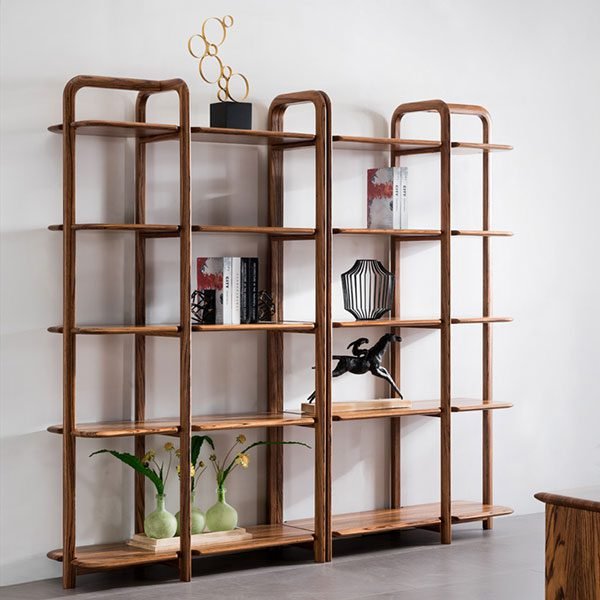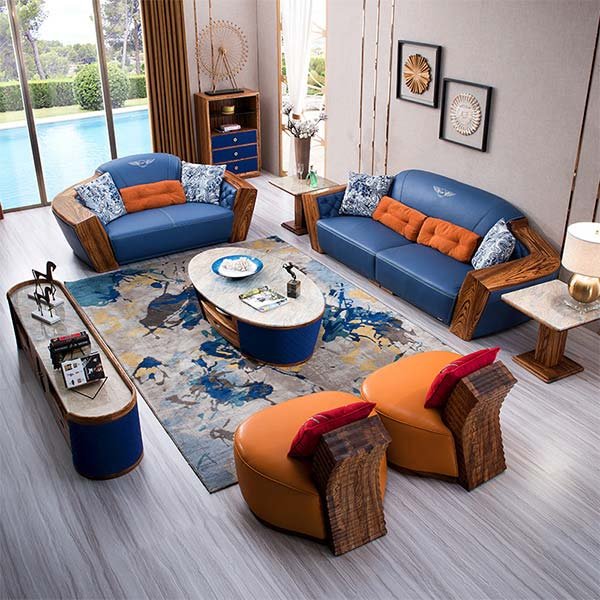
Mix and match for a personalized touch.
Mixing and Matching Furniture Styles in the Living Room
When it comes to decorating a living room, one of the most common questions that arises is whether or not furniture has to match. While matching furniture sets can create a cohesive and polished look, mixing and matching different styles can add character and personality to a space. In fact, mixing furniture styles in the living room can create a more interesting and dynamic design scheme.
One of the key benefits of mixing and matching furniture styles is the ability to create a unique and personalized space that reflects your individual taste and style. By combining different pieces that you love, you can create a living room that feels curated and eclectic. This approach allows you to showcase your personality and create a space that is truly one-of-a-kind.
Another advantage of mixing furniture styles is the opportunity to create visual interest and balance in the room. By incorporating a variety of textures, colors, and shapes, you can create a visually stimulating environment that captures the eye and keeps it moving throughout the space. This can help to prevent the room from feeling flat or boring, and can create a more dynamic and engaging atmosphere.
When mixing furniture styles, it is important to consider the scale and proportion of each piece. While it is perfectly fine to mix different styles, it is important to ensure that the pieces work well together in terms of size and scale. For example, pairing a large, overstuffed sofa with a delicate, vintage armchair may create a sense of imbalance in the room. Instead, try to mix pieces that are similar in scale to create a more harmonious and cohesive look.
In addition to scale and proportion, it is also important to consider the overall color scheme of the room when mixing furniture styles. While it is not necessary for all of the furniture to match perfectly, it is important to ensure that the pieces complement each other in terms of color. This can be achieved by incorporating a common color palette or by using contrasting colors to create a more dynamic look. By paying attention to the color scheme, you can create a cohesive and visually appealing space that feels intentional and well-designed.
When mixing furniture styles, it is also important to consider the overall aesthetic of the room. While it is perfectly fine to mix different styles, it is important to ensure that the pieces work well together in terms of the overall design scheme. For example, pairing a modern, minimalist coffee table with a traditional, ornate sofa may create a sense of discord in the room. Instead, try to mix pieces that share a common design aesthetic to create a more cohesive and unified look.
In conclusion, mixing and matching furniture styles in the living room can create a unique and personalized space that reflects your individual taste and style. By combining different pieces that you love, you can create a visually stimulating environment that captures the eye and keeps it moving throughout the space. By paying attention to scale, proportion, color, and overall aesthetic, you can create a cohesive and well-designed living room that feels intentional and inviting. So, does furniture have to match in the living room? The answer is no – mixing and matching furniture styles can create a more interesting and dynamic design scheme that truly reflects your personality and style.
How to Coordinate Different Furniture Pieces in the Living Room
When it comes to decorating a living room, one common question that often arises is whether or not furniture has to match. While matching furniture sets can create a cohesive look, mixing and matching different pieces can also result in a stylish and eclectic space. In fact, coordinating different furniture pieces in the living room can add depth and visual interest to the room, making it feel more personalized and unique.
One way to coordinate different furniture pieces in the living room is by sticking to a cohesive color palette. Choosing a color scheme that ties all the pieces together can help create a harmonious look. For example, if you have a neutral sofa, you can add accent chairs in a complementary color to tie the room together. Additionally, incorporating throw pillows, rugs, and curtains in coordinating colors can help bring the room’s design together.
Another way to coordinate different furniture pieces in the living room is by mixing different styles. Combining modern and traditional pieces can create a visually interesting contrast that adds character to the room. For example, pairing a sleek, contemporary coffee table with a vintage-inspired armchair can create a dynamic and eclectic look. Mixing different styles can also help showcase your personal taste and create a space that feels curated and unique.
In addition to mixing styles, mixing materials can also help coordinate different furniture pieces in the living room. Combining different textures and finishes can add depth and visual interest to the room. For example, pairing a leather sofa with a wooden coffee table and a metal accent chair can create a visually dynamic space. Mixing materials can also help create a sense of balance in the room, preventing it from feeling too one-dimensional.
When coordinating different furniture pieces in the living room, it’s important to pay attention to scale and proportion. Mixing furniture pieces of varying heights and sizes can help create a sense of balance in the room. For example, pairing a low-profile sofa with a tall bookcase can create a visually interesting contrast that adds depth to the space. Additionally, arranging furniture in a way that allows for easy flow and movement can help create a functional and inviting living room.
Ultimately, coordinating different furniture pieces in the living room is about creating a space that reflects your personal style and taste. While matching furniture sets can create a cohesive look, mixing and matching different pieces can result in a more personalized and unique space. By sticking to a cohesive color palette, mixing styles and materials, and paying attention to scale and proportion, you can create a living room that is both stylish and functional. So, does furniture have to match in the living room? The answer is no – as long as you coordinate different pieces thoughtfully, you can create a space that is uniquely yours.
Creating a Cohesive Look with Mismatched Furniture in the Living Room
When it comes to decorating a living room, one of the most common dilemmas that homeowners face is whether or not their furniture has to match. While matching furniture sets can create a cohesive and polished look, mixing and matching different pieces can also result in a stylish and eclectic space. In fact, incorporating mismatched furniture into your living room design can add character and personality to the room, making it feel more unique and inviting.
One of the key benefits of using mismatched furniture in your living room is the ability to showcase your personal style and creativity. By mixing different styles, colors, and textures, you can create a space that reflects your individual taste and preferences. This can help to make your living room feel more like a reflection of who you are, rather than just a showroom for furniture sets.
Another advantage of using mismatched furniture is the flexibility it offers in terms of design and layout. When all of your furniture matches perfectly, it can be difficult to rearrange the room or switch out pieces without disrupting the overall look. However, with mismatched furniture, you have the freedom to experiment with different arrangements and combinations, allowing you to easily update and refresh your living room whenever you feel like it.
In addition to adding personality and flexibility to your living room, mismatched furniture can also help to create visual interest and depth in the space. By mixing different styles, colors, and textures, you can create a layered and dynamic look that draws the eye and keeps the room from feeling flat or boring. This can help to make your living room feel more inviting and engaging, encouraging guests to linger and enjoy the space.
When incorporating mismatched furniture into your living room design, there are a few key tips to keep in mind to ensure that the space looks cohesive and intentional. First, consider choosing a unifying element, such as a color scheme or a common design style, to tie the different pieces together. This can help to create a sense of harmony and balance in the room, even if the furniture doesn’t match perfectly.
Another important tip is to vary the scale and proportion of the furniture pieces to create visual interest and balance in the room. Mixing larger and smaller pieces, as well as different shapes and heights, can help to create a more dynamic and visually appealing space. Additionally, consider incorporating a mix of materials and textures, such as wood, metal, and fabric, to add depth and richness to the room.
In conclusion, while matching furniture sets can create a cohesive and polished look in a living room, incorporating mismatched furniture can add character, personality, and visual interest to the space. By mixing different styles, colors, and textures, you can create a unique and inviting living room that reflects your individual style and creativity. With a few key tips in mind, you can successfully create a cohesive and stylish look with mismatched furniture in your living room.
Conclusion
No, furniture does not have to match in a living room. Mixing different styles, colors, and textures can create a more interesting and personalized space.