“Maximize space and style with strategic furniture placement in your open concept living room.”
Utilizing Area Rugs to Define Spaces
Arranging furniture in an open concept living room can be a challenging task. With no walls to guide you, it can be difficult to create distinct spaces for different functions. One way to define spaces in an open concept living room is by using area rugs. Area rugs can help anchor furniture groupings and create visual boundaries between different areas of the room.
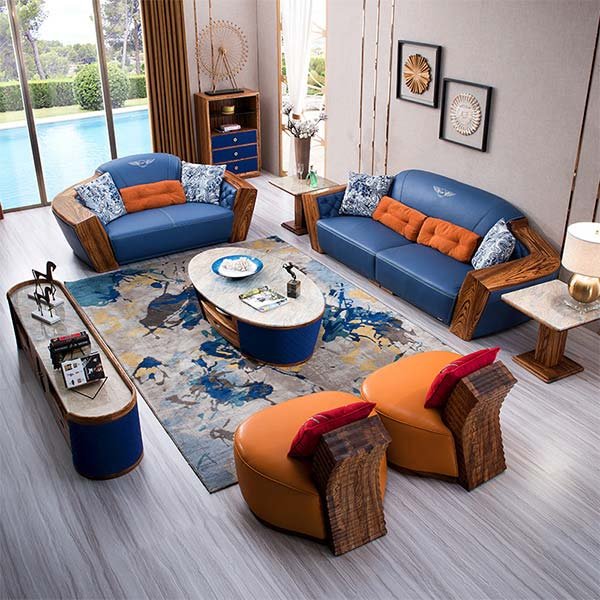
When choosing an area rug for your open concept living room, it’s important to consider the size and shape of the space. A large area rug can help define a seating area or dining space, while smaller rugs can be used to create cozy nooks or accentuate specific pieces of furniture. It’s also important to consider the color and pattern of the rug, as this can help tie together the different elements of the room and create a cohesive look.
Once you’ve chosen the right area rug for your space, it’s time to think about placement. In a seating area, the rug should be large enough to fit all of the furniture legs on top of it. This helps to visually anchor the furniture grouping and create a sense of cohesion. In a dining area, the rug should be large enough to fit the table and chairs comfortably, with at least 24 inches of rug extending beyond the edges of the table to allow for easy movement of chairs.
When placing area rugs in an open concept living room, it’s important to consider the flow of traffic through the space. Make sure there is enough space around the rug for people to walk comfortably between different areas of the room. You may also want to consider using multiple rugs to create distinct zones within the space, such as a reading nook or a conversation area.
In addition to defining spaces, area rugs can also help to add warmth and texture to an open concept living room. Choose a rug with a plush pile or interesting texture to create a cozy atmosphere in the space. You can also layer rugs for added visual interest, such as placing a smaller rug on top of a larger one to create a focal point in the room.
Overall, utilizing area rugs to define spaces in an open concept living room can help to create a sense of order and cohesion in the space. By choosing the right size, shape, color, and placement of area rugs, you can create distinct zones for different functions while adding warmth and texture to the room. So next time you’re struggling to arrange furniture in your open concept living room, consider using area rugs to help guide the layout and create a harmonious space for living and entertaining.
Creating Functional Zones with Furniture Placement
Arranging furniture in an open concept living room can be a daunting task. With no walls to define separate spaces, it can be challenging to create functional zones that flow seamlessly from one area to the next. However, with some careful planning and strategic placement, you can create a cohesive and inviting space that meets all of your needs.
One of the first things to consider when arranging furniture in an open concept living room is the layout of the room itself. Take note of any architectural features, such as windows, doors, or columns, that may impact the placement of furniture. It’s also important to consider the traffic flow through the room and ensure that there is enough space for people to move around comfortably.
Once you have a good understanding of the layout of the room, you can start to think about creating functional zones with your furniture placement. One way to do this is by using area rugs to define different areas within the room. For example, you could use a rug to anchor a seating area in the living room, or to define a dining area in the kitchen.
Another way to create functional zones is by using furniture to divide the space. For example, you could use a sofa or a bookcase to create a visual barrier between the living room and dining area. This can help to create a sense of separation between the different zones while still maintaining an open and airy feel.
When arranging furniture in an open concept living room, it’s important to consider the scale and proportion of the pieces you are using. Make sure that the furniture is appropriately sized for the space and that there is enough room for people to move around comfortably. It’s also important to consider the height of the furniture and how it relates to the other elements in the room.
In addition to creating functional zones with furniture placement, it’s also important to consider the overall aesthetic of the room. Choose furniture and decor that complement each other and create a cohesive look throughout the space. Consider using a consistent color palette or style to tie everything together and create a sense of unity.
When arranging furniture in an open concept living room, it’s important to consider the needs and preferences of the people who will be using the space. Think about how you will be using the room on a day-to-day basis and make sure that the furniture layout reflects those needs. For example, if you like to entertain frequently, make sure that there is enough seating for all of your guests.
In conclusion, arranging furniture in an open concept living room can be a challenging task, but with some careful planning and strategic placement, you can create a functional and inviting space that meets all of your needs. By considering the layout of the room, creating functional zones with furniture placement, and paying attention to scale, proportion, and aesthetics, you can create a cohesive and stylish space that works for you and your family.
Incorporating Room Dividers for Privacy and Definition
Open concept living rooms have become increasingly popular in modern homes, as they create a sense of spaciousness and flow between different areas of the house. However, one of the challenges of an open concept living room is how to arrange furniture in a way that defines different spaces while still maintaining a cohesive look. One solution to this dilemma is incorporating room dividers to provide privacy and definition to different areas within the room.
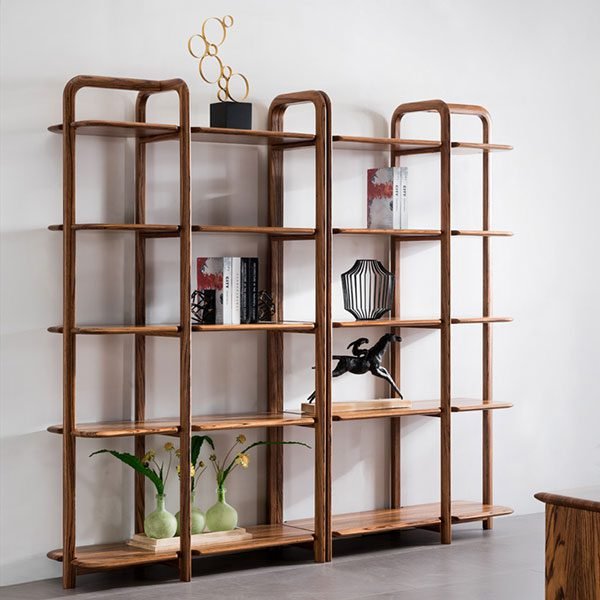
Room dividers come in a variety of styles and materials, from traditional folding screens to modern shelving units. When choosing a room divider for your open concept living room, consider the overall style and color scheme of the room to ensure that the divider complements the existing decor. Additionally, think about the function of the divider – do you need it to provide privacy, define different areas, or simply add visual interest to the space?
One way to use room dividers in an open concept living room is to create a separate seating area within the larger space. This can be achieved by placing a low bookshelf or console table behind a sofa to create a visual barrier between the living and dining areas. You can then add a couple of armchairs and a coffee table to define the seating area and make it feel more intimate.
Another option is to use a folding screen or curtain to separate the living room from a home office or study area. This can help to create a sense of privacy and separation between different functions within the room, while still allowing for an open and airy feel. Choose a screen or curtain that complements the overall style of the room and consider adding a rug or small table to anchor the separate area.
If you have a large open concept living room, you can use room dividers to create distinct zones for different activities. For example, you could use a tall shelving unit to separate a reading nook from the main seating area, or a folding screen to create a cozy corner for watching TV. By using dividers to define different areas within the room, you can create a sense of organization and purpose while still maintaining the open and airy feel of the space.
Incorporating room dividers into your open concept living room can also help to add visual interest and texture to the space. Consider using a divider with a unique design or material, such as a woven screen or metal shelving unit, to create a focal point within the room. You can also use plants, artwork, or decorative objects on top of the divider to add personality and style to the space.
Overall, room dividers can be a versatile and practical solution for arranging furniture in an open concept living room. Whether you need to create privacy, define different areas, or simply add visual interest to the space, there are a variety of options available to suit your needs and style. By carefully selecting and placing room dividers within your living room, you can create a cohesive and functional space that meets your design goals.
Conclusion
When arranging furniture in an open concept living room, consider the flow of traffic, create distinct zones for different activities, use area rugs to define spaces, and ensure there is enough space for movement and conversation. Additionally, consider the scale and proportion of furniture pieces to the size of the room. By following these guidelines, you can create a cohesive and functional layout in your open concept living room.