“Transform your space with strategic furniture placement.”
Optimal Furniture Layouts for Small Living Rooms
Arranging furniture in a small living room can be a challenging task. With limited space, it’s important to make the most of every square inch to create a functional and visually appealing layout. By following a few simple guidelines, you can maximize the space in your living room and create a cozy and inviting atmosphere.
One of the first things to consider when arranging furniture in a small living room is the layout of the room itself. Take note of any architectural features, such as windows, doors, and built-in shelving, as these will impact the placement of your furniture. It’s also important to consider the flow of traffic in the room and ensure that there is enough space for people to move around comfortably.
When arranging furniture in a small living room, it’s important to keep the scale of the furniture in mind. Choose pieces that are proportionate to the size of the room and avoid oversized furniture that will overwhelm the space. Opt for smaller-scale furniture, such as armless chairs and sofas with low backs, to create a more open and airy feel in the room.
To create a sense of balance in a small living room, consider arranging furniture in a symmetrical layout. Place matching pieces of furniture on either side of a focal point, such as a fireplace or television, to create a sense of harmony in the room. This will help to create a cohesive look and make the room feel more organized and put-together.
Another important consideration when arranging furniture in a small living room is the placement of the sofa. In most living rooms, the sofa is the largest piece of furniture and often serves as the focal point of the room. To make the most of a small space, consider placing the sofa against a wall to free up floor space in the center of the room. This will create a more open and spacious feel in the room and make it easier to move around.
When arranging furniture in a small living room, it’s also important to consider the placement of other pieces, such as coffee tables, end tables, and accent chairs. These pieces should be placed strategically to maximize space and create a functional layout. Consider using multipurpose furniture, such as a coffee table with storage or an ottoman that can double as extra seating, to make the most of limited space.
In conclusion, arranging furniture in a small living room requires careful planning and consideration. By keeping the scale of the furniture in mind, creating a symmetrical layout, and strategically placing pieces throughout the room, you can maximize space and create a functional and visually appealing layout. With a little creativity and attention to detail, you can transform your small living room into a cozy and inviting space that you’ll love spending time in.
Creative Ways to Arrange Furniture in an Open Concept Living Room
Arranging furniture in a living room can be a daunting task, especially when dealing with an open concept space. With no walls to guide you, it can be challenging to create a cohesive and functional layout. However, with a little creativity and strategic planning, you can make the most of your open concept living room and create a space that is both stylish and practical.
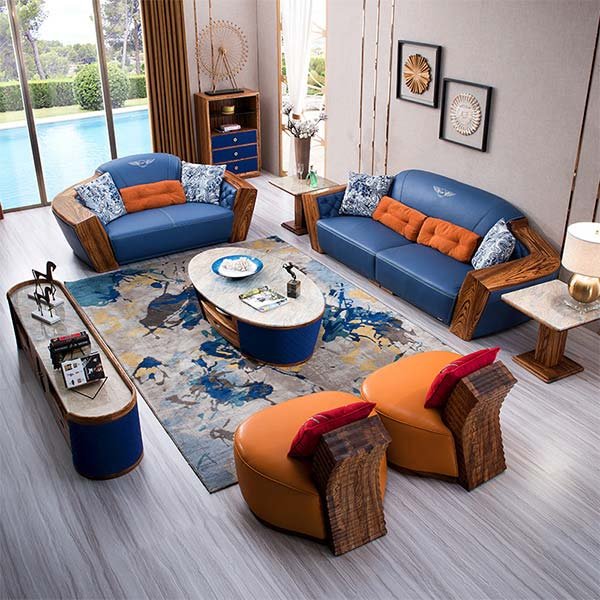
One creative way to arrange furniture in an open concept living room is to create distinct zones within the space. By defining different areas for lounging, dining, and entertaining, you can give each part of the room a specific purpose and make the space feel more organized. For example, you could place a sofa and coffee table in one area for lounging, a dining table and chairs in another area for dining, and a bar cart or console table in a third area for entertaining.
Another creative way to arrange furniture in an open concept living room is to use rugs to delineate different areas. By placing a rug under each grouping of furniture, you can visually separate the space and create a sense of coziness and intimacy. For example, you could place a large area rug under the seating area to define the living room, and a smaller rug under the dining table to define the dining area.
In addition to creating distinct zones and using rugs to delineate different areas, you can also use furniture placement to create flow and balance in an open concept living room. For example, you could arrange the furniture in a circular or U-shaped layout to create a sense of unity and cohesion. By placing the sofa and chairs facing each other, you can create a conversation area that encourages interaction and socializing.
When arranging furniture in an open concept living room, it’s important to consider the scale and proportion of the space. Make sure that the furniture you choose is appropriately sized for the room and that there is enough space for people to move around comfortably. Avoid overcrowding the space with too much furniture, as this can make the room feel cramped and cluttered.
In addition to considering the scale and proportion of the space, it’s also important to think about the traffic flow in an open concept living room. Make sure that there is a clear path for people to move through the space without obstacles or obstructions. Arrange the furniture in a way that allows for easy movement and access to different areas of the room.
Finally, don’t be afraid to experiment with different furniture arrangements in an open concept living room. Play around with different layouts and configurations until you find one that works best for your space and meets your needs. Remember that arranging furniture is a creative process, and there are no hard and fast rules. Trust your instincts and have fun with it!
In conclusion, arranging furniture in an open concept living room can be a fun and rewarding experience. By creating distinct zones, using rugs to delineate different areas, and considering the scale, proportion, and traffic flow of the space, you can create a stylish and functional layout that works for you. Don’t be afraid to think outside the box and try new things – you may be surprised at the results!
Tips for Arranging Furniture to Maximize Space and Functionality in a Living Room
Arranging furniture in a living room can be a daunting task, especially if you have a small space to work with. However, with some careful planning and strategic placement, you can create a functional and visually appealing layout that maximizes both space and functionality.
One of the first things to consider when arranging furniture in a living room is the focal point of the room. This could be a fireplace, a large window with a beautiful view, or a television. Once you have identified the focal point, arrange your furniture around it to create a cohesive and balanced layout.
When arranging furniture, it’s important to consider traffic flow. Make sure there is enough space for people to move around comfortably without bumping into furniture. Leave at least 3 feet of space between pieces of furniture to allow for easy movement.
Another tip for maximizing space in a living room is to use multipurpose furniture. Look for pieces that can serve more than one function, such as a coffee table with storage or a sofa bed. This will help you make the most of your space without sacrificing style or comfort.
In a small living room, it’s important to avoid overcrowding the space with too much furniture. Instead, opt for a few key pieces that serve a purpose and create a sense of balance. Consider using furniture with clean lines and open legs to create a sense of openness and airiness in the room.
When arranging furniture, consider the scale and proportion of each piece. Make sure that larger pieces, such as sofas and armchairs, are balanced with smaller pieces, such as side tables and ottomans. This will help create a sense of harmony and cohesion in the room.
If you have a large living room, consider creating separate zones for different activities, such as a seating area, a reading nook, or a workspace. Use area rugs, lighting, and furniture placement to define each zone and create a sense of purpose and organization in the room.
When arranging furniture, don’t forget to consider the placement of accessories and decor. Use artwork, throw pillows, and rugs to add color, texture, and personality to the room. Consider using mirrors to create the illusion of more space and to reflect light throughout the room.
In conclusion, arranging furniture in a living room is all about creating a functional and visually appealing layout that maximizes space and functionality. By considering the focal point of the room, traffic flow, multipurpose furniture, scale and proportion, and the placement of accessories, you can create a living room that is both stylish and practical. With some careful planning and attention to detail, you can create a space that is inviting, comfortable, and perfect for relaxing or entertaining.
Conclusion
When arranging furniture in a living room, it is important to consider the flow of the room, the function of the space, and the size of the furniture. Start by creating a focal point, such as a fireplace or TV, and arrange furniture around it. Leave enough space for easy movement and ensure that there is a balance of large and small pieces throughout the room. Experiment with different layouts until you find one that works best for your space.