“Create the perfect space with strategic furniture placement.”
Arranging Furniture for Conversation
When it comes to designing a living room, one of the most important aspects to consider is the layout of the furniture. The way in which you arrange your furniture can greatly impact the functionality and aesthetic appeal of the space. One key consideration when arranging living room furniture is creating a layout that promotes conversation and social interaction. By strategically placing your furniture, you can create a warm and inviting atmosphere that encourages guests to engage in conversation and enjoy each other’s company.
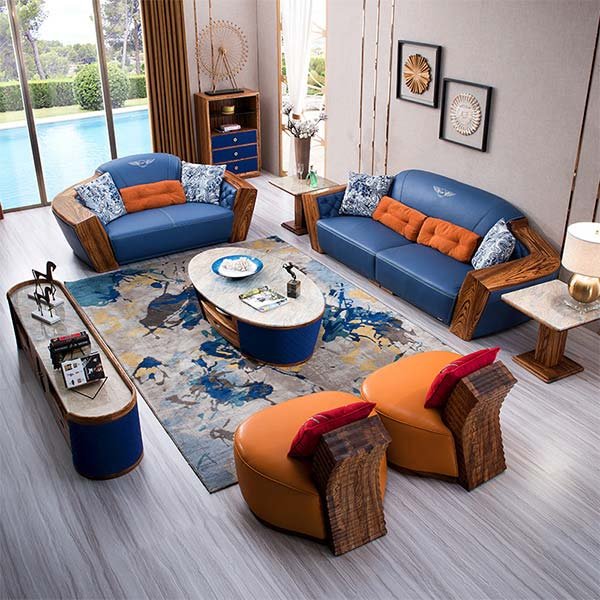
One of the first things to consider when arranging furniture for conversation is the focal point of the room. This could be a fireplace, a television, or a large window with a beautiful view. Once you have identified the focal point, you can begin to arrange your furniture around it. Start by placing the largest piece of furniture, such as a sofa or sectional, facing the focal point. This will help to anchor the room and create a sense of balance.
Next, consider the placement of additional seating options, such as armchairs or loveseats. These pieces should be arranged in a way that allows for easy conversation between guests. Avoid placing furniture too far apart, as this can create a sense of distance and make it difficult for people to engage with one another. Instead, aim to create intimate seating areas that are conducive to conversation.
In addition to seating, consider the placement of coffee tables and side tables. These pieces can help to create a sense of cohesion in the room and provide convenient surfaces for guests to place drinks or snacks. When arranging tables, be sure to leave enough space for people to move around comfortably. Avoid cluttering the room with too many pieces of furniture, as this can make the space feel cramped and inhibit conversation.
Another important consideration when arranging furniture for conversation is the flow of the room. Make sure that there are clear pathways for people to move through the space without obstruction. This will help to create a sense of openness and make it easy for guests to navigate the room. Consider the placement of doors and windows, and be mindful of how these elements impact the layout of the furniture.
When arranging furniture for conversation, it is also important to consider the overall style and aesthetic of the room. Choose pieces that complement one another in terms of color, shape, and style. This will help to create a cohesive look that is visually appealing and inviting. Consider incorporating elements such as rugs, throw pillows, and artwork to add texture and interest to the space.
In conclusion, arranging furniture for conversation is an important aspect of designing a living room. By strategically placing your furniture around a focal point, creating intimate seating areas, and ensuring clear pathways through the room, you can create a warm and inviting space that promotes social interaction. Consider the overall style and aesthetic of the room when selecting furniture pieces, and be mindful of creating a cohesive look. With these tips in mind, you can create a living room layout that is both functional and aesthetically pleasing.
Maximizing Space with Multi-functional Pieces
When it comes to designing a living room, one of the most important aspects to consider is the layout of the furniture. The way you arrange your furniture can have a significant impact on the overall look and feel of the room. In smaller living spaces, it is especially important to maximize space by using multi-functional pieces that serve more than one purpose.
One of the key principles of maximizing space in a living room is to choose furniture that is both stylish and functional. Multi-functional pieces such as a sofa bed or a storage ottoman can help you make the most of your space without sacrificing style. These pieces can serve as seating during the day and transform into a bed for overnight guests, or provide extra storage for blankets, pillows, or other items.
Another way to maximize space in a living room is to consider the scale of the furniture you choose. In a smaller space, it is important to choose furniture that is proportionate to the size of the room. Oversized furniture can make a room feel cramped and cluttered, while smaller pieces can help create a more open and airy feel. Consider using furniture with clean lines and simple designs to create a more streamlined look.
When arranging furniture in a small living room, it is important to consider the flow of the room. Arrange furniture in a way that allows for easy movement and access to all areas of the room. Avoid blocking doorways or windows, as this can make the room feel closed off and cramped. Consider creating separate zones within the room for different activities, such as a seating area for conversation or a reading nook for relaxation.
In addition to choosing multi-functional pieces and arranging furniture for optimal flow, there are a few other tips to keep in mind when designing a small living room. Consider using light colors on the walls and furniture to create a sense of openness and brightness. Mirrors can also help create the illusion of more space by reflecting light and making the room feel larger.
When it comes to choosing furniture for a small living room, it is important to think outside the box and consider pieces that can serve multiple purposes. Look for furniture that can be easily moved or rearranged to accommodate different activities or guests. Consider using a coffee table with storage or a console table that can double as a desk. By thinking creatively and choosing multi-functional pieces, you can maximize space in your living room and create a stylish and functional space that meets your needs.
In conclusion, maximizing space in a living room with multi-functional furniture is essential for creating a stylish and functional space. By choosing pieces that serve more than one purpose, arranging furniture for optimal flow, and considering the scale and design of the furniture, you can create a living room that feels open, airy, and inviting. With a little creativity and planning, you can make the most of your small living space and create a room that meets all of your needs.
Creating a Focal Point with the Right Furniture Placement
When it comes to designing a living room, one of the most important aspects to consider is the layout of the furniture. The way you arrange your furniture can have a significant impact on the overall look and feel of the room. One key element to keep in mind when laying out your living room furniture is creating a focal point. A focal point is a central element in the room that draws the eye and anchors the space. This could be a fireplace, a large window with a beautiful view, or a piece of artwork.
To create a focal point in your living room, start by identifying the most visually appealing feature in the room. Once you have determined your focal point, arrange your furniture around it in a way that highlights and complements it. For example, if you have a fireplace as your focal point, consider placing your sofa and chairs in a U-shape around it to create a cozy seating area. This arrangement not only draws attention to the fireplace but also encourages conversation and interaction among guests.
Another important factor to consider when laying out your living room furniture is the flow of traffic. You want to ensure that there is a clear path for people to move through the room without having to navigate around furniture. To achieve this, leave enough space between pieces of furniture to allow for easy movement. Consider the natural flow of the room and arrange your furniture in a way that promotes a smooth circulation.
In addition to creating a focal point and ensuring good traffic flow, it is also important to consider the scale and proportion of your furniture. Make sure that the size of your furniture is appropriate for the size of the room. Avoid overcrowding the space with oversized pieces, as this can make the room feel cramped and cluttered. On the other hand, too many small pieces can make the room feel disjointed and chaotic. Aim for a balance of sizes and shapes to create a harmonious and visually pleasing arrangement.
When arranging your furniture, consider the function of the room and how you plan to use it. If you enjoy entertaining guests, create multiple seating areas to accommodate different groups of people. For example, you could have a main seating area for larger gatherings and a cozy reading nook for quiet moments. If you use the room primarily for watching TV, make sure that the seating is oriented towards the television for optimal viewing.
In conclusion, creating a focal point with the right furniture placement is essential for designing a functional and visually appealing living room. By identifying a central element in the room, arranging your furniture to highlight it, and considering factors such as traffic flow and scale, you can create a space that is both inviting and practical. Take the time to carefully plan and arrange your furniture to make the most of your living room layout.
Conclusion
When laying out living room furniture, consider the size and shape of the room, the function of the space, traffic flow, and focal points. Start by placing the largest pieces of furniture first, such as the sofa and coffee table, and then add smaller pieces like accent chairs and side tables. Leave enough space for people to move around comfortably and ensure that there is a clear path to the main seating area. Don’t forget to consider the placement of lighting, rugs, and accessories to create a cohesive and inviting space.