“Maximize space, minimize clutter – smart furniture layout for small living rooms.”
Utilizing Multi-Functional Furniture Pieces
When it comes to decorating a small living room, one of the biggest challenges is figuring out how to lay out furniture in a way that maximizes space and functionality. In a small space, every square inch counts, so it’s important to choose furniture pieces that not only fit the room but also serve multiple purposes. This is where multi-functional furniture comes in handy.
Multi-functional furniture pieces are a great way to make the most of a small living room. These pieces are designed to serve more than one purpose, such as providing storage, acting as a coffee table, or even transforming into a bed. By incorporating multi-functional furniture into your layout, you can save space and create a more versatile living area.
One popular multi-functional furniture piece for small living rooms is a sleeper sofa. A sleeper sofa is a sofa that can be converted into a bed, making it perfect for overnight guests or for those who live in studio apartments. When not in use as a bed, a sleeper sofa can function as a regular sofa, providing seating for guests or family members. This dual-purpose piece of furniture is a great way to save space and make the most of a small living room.
Another multi-functional furniture piece to consider is a storage ottoman. A storage ottoman is a versatile piece of furniture that can serve as a footrest, extra seating, or even a coffee table. Many storage ottomans come with built-in storage compartments, making them perfect for storing blankets, pillows, or other items that tend to clutter up a small living room. By using a storage ottoman in your layout, you can keep your living room organized and free of clutter.
In addition to sleeper sofas and storage ottomans, there are many other multi-functional furniture pieces that can help you make the most of a small living room. For example, a nesting coffee table is a great option for small spaces, as it can be expanded or collapsed depending on your needs. A wall-mounted desk is another multi-functional piece that can serve as a workspace or a dining table when needed.
When laying out furniture in a small living room, it’s important to consider the scale and proportion of each piece. Choose furniture that fits the room without overwhelming it, and be mindful of traffic flow and sightlines. By carefully planning your layout and incorporating multi-functional furniture pieces, you can create a functional and stylish living room that makes the most of your space.
In conclusion, utilizing multi-functional furniture pieces is a great way to maximize space and functionality in a small living room. By incorporating pieces like sleeper sofas, storage ottomans, and nesting coffee tables into your layout, you can create a versatile and organized living area that meets your needs. With careful planning and consideration, you can make the most of your small living room and create a space that is both practical and stylish.
Creating Zones within the Space
When it comes to furnishing a small living room, creating zones within the space is essential for maximizing functionality and visual appeal. By strategically laying out furniture, you can define different areas for lounging, dining, working, and entertaining without making the room feel cramped or cluttered. In this article, we will explore some tips and tricks for effectively dividing a small living room into distinct zones.
One of the first steps in creating zones within a small living room is to determine the primary function of each area. For example, you may want to designate one corner for a cozy reading nook, another for a compact dining area, and a third for a small home office. By clearly defining the purpose of each zone, you can select furniture and accessories that support those activities while maintaining a cohesive overall look.
When laying out furniture in a small living room, it’s important to consider the scale and proportion of each piece. Opt for slim, streamlined furniture that doesn’t overwhelm the space, and avoid bulky or oversized items that can make the room feel crowded. Additionally, choose multipurpose furniture that serves more than one function, such as a storage ottoman that can double as a coffee table or extra seating.
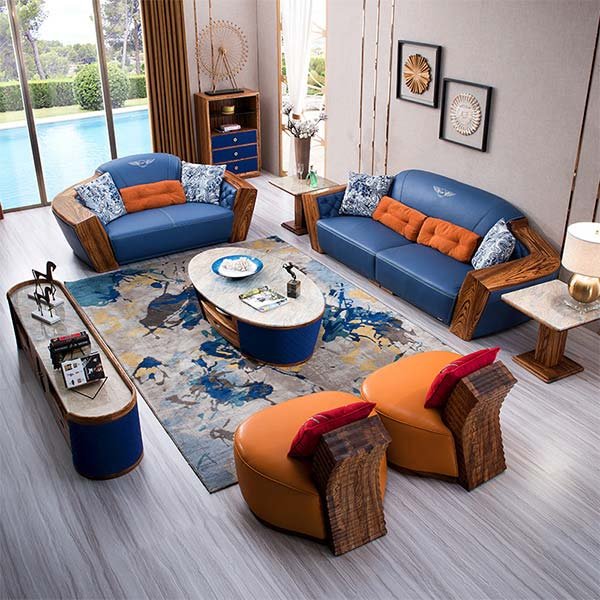
To visually separate different zones within a small living room, consider using area rugs to define boundaries and add texture and color to the space. Place a rug under the seating area to anchor the furniture and create a cozy atmosphere, or use a rug to delineate the dining area from the rest of the room. Just be sure to choose rugs that are appropriately sized for each zone and complement the overall design scheme.
In addition to rugs, you can also use lighting to create distinct zones within a small living room. Install overhead lighting or wall sconces to illuminate the entire space, then add task lighting such as table lamps or floor lamps in each zone to provide focused light for reading, dining, or working. By layering different types of lighting, you can enhance the functionality and ambiance of each area while visually separating them from one another.
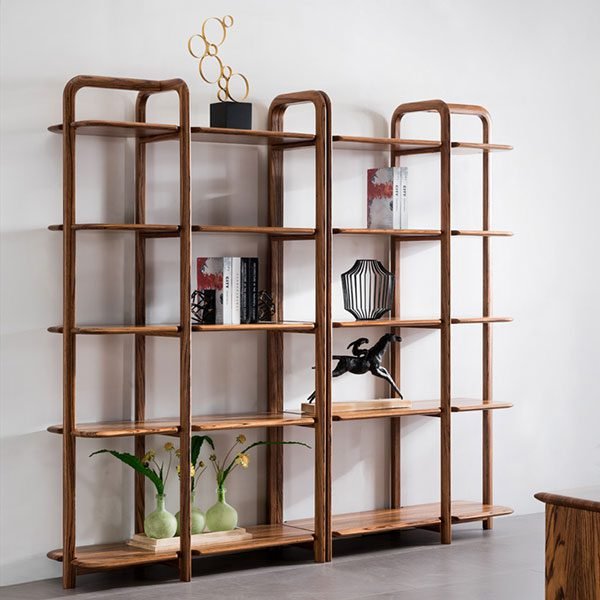
Another effective way to divide a small living room into zones is to use furniture placement to create natural boundaries. Position a sofa or sectional to define the seating area, then add a console table or bookshelf behind it to separate the space from the dining area. You can also use open shelving or room dividers to visually partition different zones while maintaining an open and airy feel.
When arranging furniture in a small living room, be mindful of traffic flow and ensure that there is enough space for people to move comfortably between zones. Avoid blocking doorways or pathways with furniture, and leave enough room for easy access to seating and other areas. By maintaining a clear and unobstructed layout, you can make the most of your small living room while ensuring that it remains functional and inviting.
In conclusion, creating zones within a small living room is a key strategy for maximizing space and functionality. By carefully selecting furniture, rugs, lighting, and accessories, you can define different areas for lounging, dining, working, and entertaining while maintaining a cohesive and visually appealing design. With these tips and tricks in mind, you can transform your small living room into a stylish and functional space that meets all of your needs.
Maximizing Vertical Space with Shelving and Wall-Mounted Storage
When it comes to furnishing a small living room, maximizing vertical space is key. With limited floor space, utilizing walls for shelving and storage can help create a more functional and visually appealing layout. By incorporating wall-mounted shelves, cabinets, and other storage solutions, you can free up valuable floor space and make the room feel more open and spacious.
One of the most effective ways to maximize vertical space in a small living room is to install floating shelves. These shelves are mounted directly to the wall, creating a sleek and modern look while providing additional storage space for books, decorative items, and other essentials. Floating shelves come in a variety of sizes and styles, making it easy to find the perfect fit for your space.
Another option for maximizing vertical space is to install wall-mounted cabinets or storage units. These units can be used to store items that you don’t use frequently, such as seasonal decorations or extra linens. By keeping these items off the floor and out of sight, you can create a more organized and clutter-free living room.
In addition to shelving and cabinets, wall-mounted hooks and racks can also be useful for maximizing vertical space. These hooks can be used to hang coats, bags, and other items, keeping them off the floor and out of the way. By utilizing vertical storage solutions, you can make the most of your small living room and create a more functional and inviting space.
When installing shelving and storage units on the walls, it’s important to consider the layout of the room and the placement of furniture. Make sure to leave enough space between the furniture and the walls to allow for easy movement and access to the storage units. Additionally, consider the height of the shelves and cabinets to ensure that they are easily accessible and don’t overwhelm the room.
To create a cohesive and visually appealing look, consider coordinating the colors and styles of the shelving and storage units with the rest of the room’s decor. Choose shelves and cabinets that complement the existing furniture and accessories, creating a seamless and harmonious design. By paying attention to the details, you can create a well-organized and stylish living room that maximizes vertical space.
In conclusion, maximizing vertical space with shelving and wall-mounted storage is essential for creating a functional and visually appealing layout in a small living room. By incorporating floating shelves, cabinets, hooks, and racks, you can free up valuable floor space and create a more organized and clutter-free environment. Consider the layout of the room, the placement of furniture, and the overall design aesthetic when choosing storage solutions for your small living room. With careful planning and attention to detail, you can create a stylish and efficient space that maximizes vertical space and enhances the overall look and feel of the room.
Conclusion
When laying out furniture in a small living room, it is important to consider the size and scale of the pieces, as well as the flow of the room. Utilize multi-functional furniture, such as a sofa bed or storage ottoman, to maximize space. Keep the layout open and avoid blocking pathways to create a more spacious feel. Consider using light colors and mirrors to reflect light and make the room appear larger. Ultimately, the key is to prioritize functionality and comfort while maintaining a sense of openness in the space.