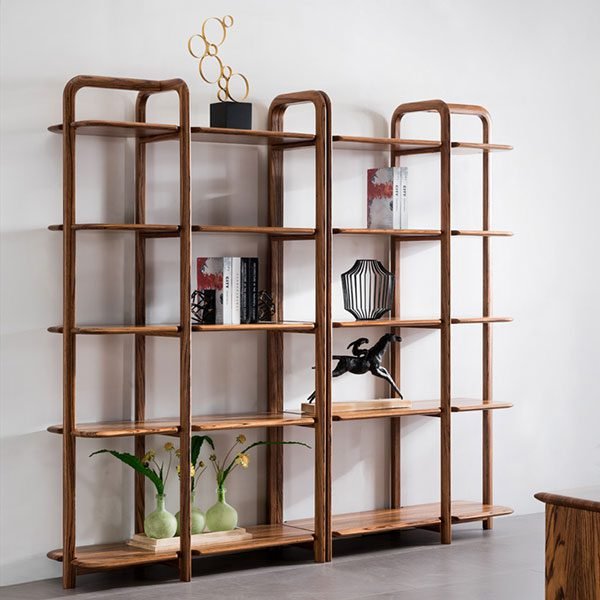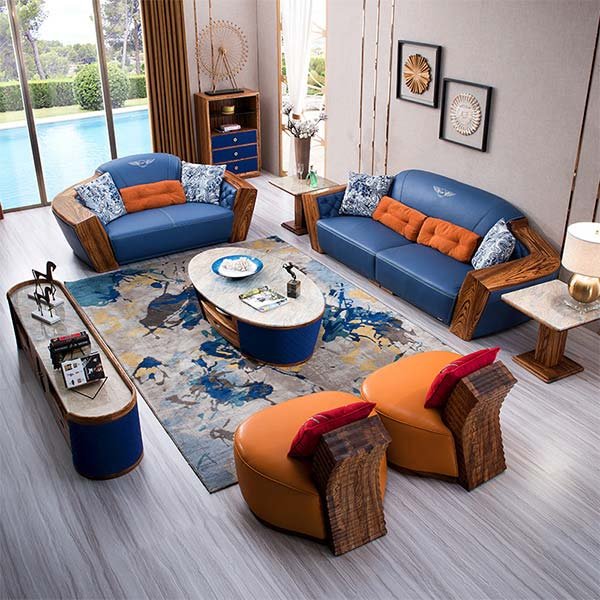
“Mix and match your bedroom furniture to create a personalized oasis.”
Choosing a cohesive color scheme
When it comes to decorating your bedroom, one of the key elements to consider is how to mix and match your furniture. Choosing a cohesive color scheme is essential in creating a harmonious and visually appealing space.
One of the first things to consider when selecting a color scheme for your bedroom furniture is the overall style and theme of the room. Are you going for a modern, minimalist look, or do you prefer a more traditional, cozy feel? Once you have determined the style you want to achieve, you can start selecting colors that will complement that aesthetic.
A popular choice for bedroom furniture is to stick with neutral colors such as white, beige, or gray. These colors are versatile and can easily be paired with a variety of other hues. If you want to add a pop of color, consider incorporating accent pieces in bold shades like navy blue, emerald green, or mustard yellow. These colors can add interest and personality to your space without overwhelming the room.
Another option for mixing and matching bedroom furniture is to choose a monochromatic color scheme. This involves selecting different shades of the same color to create a cohesive and sophisticated look. For example, you could pair a light gray bed frame with a darker gray dresser and nightstand. Adding in textures like velvet or linen can also help to add depth and visual interest to the room.
If you prefer a more eclectic look, don’t be afraid to mix different styles and colors of furniture. For example, you could pair a vintage wooden bed frame with a modern metal nightstand. The key to successfully mixing and matching furniture is to find common elements that tie the pieces together, such as similar finishes or shapes.
When selecting a color scheme for your bedroom furniture, it’s important to consider the size and layout of the room. Lighter colors can help to make a small space feel larger and more open, while darker colors can create a cozy and intimate atmosphere. If you have a large bedroom, you can experiment with bolder colors and patterns to make a statement.
In conclusion, choosing a cohesive color scheme for your bedroom furniture is essential in creating a harmonious and visually appealing space. Whether you prefer a neutral palette, a monochromatic look, or a mix of different styles and colors, there are endless possibilities to explore. By considering the style of the room, the size and layout, and your personal preferences, you can create a bedroom that reflects your unique taste and personality.
Mixing different textures and materials
Mixing different textures and materials in your bedroom furniture can add depth and interest to the space. By combining various elements, you can create a unique and personalized look that reflects your style and personality.
One way to mix and match bedroom furniture is by incorporating different materials such as wood, metal, and glass. For example, you could pair a wooden bed frame with a metal nightstand or a glass dresser. This combination of materials adds visual contrast and creates a dynamic and eclectic feel in the room.
Another way to mix textures is by combining different finishes, such as matte, glossy, or distressed. For instance, you could mix a glossy white dresser with a matte black bed frame for a modern and sophisticated look. Adding a distressed wooden bench at the foot of the bed can bring in a touch of rustic charm.
When mixing textures and materials, it’s important to consider the overall color scheme of the room. Choose furniture pieces that complement each other in terms of color and tone. For example, if you have a neutral color palette, you could mix a dark wood dresser with a light-colored upholstered headboard for a balanced and cohesive look.
Incorporating textiles such as rugs, curtains, and bedding can also help tie together different textures and materials in the bedroom. A plush rug can add warmth and softness to a room with a lot of hard surfaces, while patterned curtains can bring in a pop of color and visual interest.
When mixing and matching bedroom furniture, don’t be afraid to experiment and think outside the box. Consider repurposing old furniture pieces or mixing vintage and modern styles for a truly unique look. Mixing different textures and materials can help create a layered and inviting space that reflects your personal style and taste.
In conclusion, mixing different textures and materials in your bedroom furniture can add depth and interest to the space. By combining various elements such as wood, metal, and glass, you can create a unique and personalized look that reflects your style and personality. Remember to consider the overall color scheme of the room and incorporate textiles to tie together different textures and materials. Don’t be afraid to experiment and think outside the box when mixing and matching bedroom furniture for a truly unique and inviting space.
Incorporating statement pieces
Mixing and matching bedroom furniture can be a fun and creative way to add personality and style to your space. One key aspect of successfully mixing and matching bedroom furniture is incorporating statement pieces. Statement pieces are bold, eye-catching items that serve as focal points in a room. They can be anything from a unique headboard to a colorful dresser or a striking piece of artwork.
When incorporating statement pieces into your bedroom, it’s important to consider the overall style and color scheme of the room. If you have a neutral color palette, a statement piece in a bold color or pattern can add a pop of interest. On the other hand, if your room already has a lot of color and pattern, a statement piece in a more subdued tone can help balance the space.
One popular statement piece in bedrooms is a unique headboard. A headboard with a distinctive shape or material can instantly elevate the look of your bed and become the focal point of the room. Consider a headboard with intricate detailing, a luxurious fabric, or a bold color to make a statement in your bedroom.
Another way to incorporate statement pieces into your bedroom is through furniture. A colorful dresser, a unique nightstand, or a striking wardrobe can add personality and character to your space. Look for pieces with interesting shapes, textures, or finishes to create visual interest in your room.
In addition to furniture, artwork can also serve as a statement piece in your bedroom. A large, eye-catching piece of art above the bed or on a prominent wall can instantly elevate the look of the room. Consider choosing artwork that reflects your personal style and complements the overall aesthetic of the space.
When mixing and matching statement pieces in your bedroom, it’s important to strike a balance between bold and subtle elements. Too many statement pieces can overwhelm the space and make it feel cluttered, while too few can make the room feel bland and uninspired. Experiment with different combinations of statement pieces until you find a balance that feels just right.
In conclusion, incorporating statement pieces is a key element of mixing and matching bedroom furniture. Whether it’s a unique headboard, a colorful dresser, or a striking piece of artwork, statement pieces can add personality and style to your space. By carefully selecting and balancing statement pieces in your bedroom, you can create a cohesive and visually appealing look that reflects your personal taste and aesthetic.
Заключение
When mixing and matching bedroom furniture, it’s important to consider the style, color, and scale of each piece to create a cohesive and harmonious look. Stick to a consistent color palette, mix different textures and materials, and vary the sizes and shapes of furniture pieces for visual interest. Don’t be afraid to experiment and have fun with your choices to create a unique and personalized space.