“Define your space with style: separate living room and dining room with furniture.”
Room dividers
When it comes to open-concept living spaces, it can sometimes be challenging to create distinct areas for different functions. One common dilemma is how to separate the living room from the dining room without using walls or partitions. Fortunately, there are several creative ways to achieve this using furniture as room dividers.
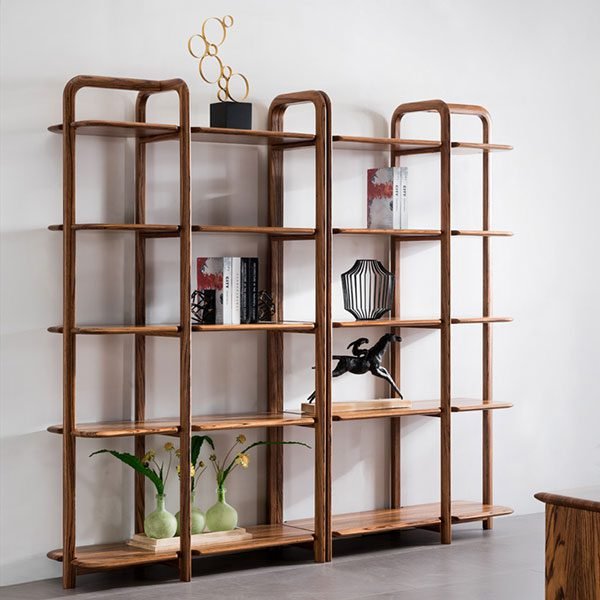
One popular option is to use a large bookcase or shelving unit as a divider between the living and dining areas. By positioning the bookcase perpendicular to the wall, you can create a visual barrier that defines each space while still allowing light and air to flow through. This also provides additional storage and display space for books, decorative items, and dinnerware.
Another effective way to separate the living room and dining room is by using a sofa or sectional with a chaise lounge. Placing the chaise lounge perpendicular to the dining table creates a natural boundary between the two areas. This setup not only defines the spaces but also provides a cozy nook for relaxation and conversation.
For a more flexible option, consider using a folding screen or room divider. These portable partitions can be easily moved and adjusted to suit your needs. Choose a screen with a decorative design or material that complements your existing decor to add style and visual interest to the room.
If you prefer a more minimalist approach, opt for a low credenza or console table as a subtle divider between the living and dining areas. This piece of furniture can serve as a functional surface for storage or display while visually separating the spaces. Choose a sleek design with clean lines to maintain a sense of openness in the room.
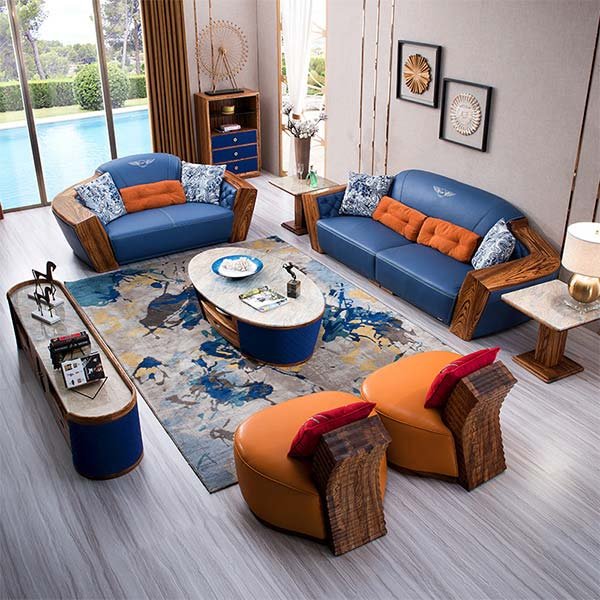
Incorporating a rug is another effective way to delineate the living room and dining room. Choose a large area rug that covers the seating area in the living room and extends under the dining table. This helps to anchor each space and create a cohesive look while adding warmth and texture to the room.
To add a touch of elegance and sophistication, consider using a decorative screen or room divider made of wood, metal, or glass. These stylish dividers can serve as a focal point in the room while providing privacy and separation between the living and dining areas. Select a design that complements your decor and enhances the overall aesthetic of the space.
In conclusion, there are many creative ways to separate the living room and dining room with furniture as room dividers. Whether you choose a bookcase, sofa, folding screen, credenza, rug, or decorative divider, each option offers a unique solution to define the spaces while maintaining an open and airy feel. Experiment with different layouts and styles to find the perfect balance between functionality and aesthetics in your home.
Area rugs
Area rugs are a great way to separate the living room and dining room with furniture. They can define the space and add a touch of style to your home. When choosing an area rug for this purpose, it’s important to consider the size, shape, and color of the rug.
One option is to use a large area rug that covers both the living room and dining room areas. This can create a cohesive look and make the space feel more connected. Choose a rug that complements the colors and styles of both rooms to tie everything together.
Another option is to use two smaller area rugs, one in the living room and one in the dining room. This can help define each space and create a sense of separation. Make sure the rugs coordinate with each other and with the furniture in each room for a cohesive look.
When it comes to shape, rectangular rugs are a popular choice for separating living and dining areas. They can help define the space and create a visual boundary between the two rooms. However, you can also consider using round or oval rugs for a more unique look.
In terms of color, choose a rug that complements the color scheme of both rooms. Neutral colors like beige, gray, or cream can work well in most spaces and can help tie the rooms together. If you want to add a pop of color, choose a rug with a bold pattern or vibrant hue that complements the decor in both rooms.
When placing the area rugs, make sure they are centered in each room and that there is an equal amount of rug showing on all sides. This will create a balanced look and help define the space. You can also layer rugs for added texture and visual interest.
In conclusion, area rugs are a versatile and stylish way to separate the living room and dining room with furniture. Whether you choose one large rug or two smaller rugs, make sure to consider the size, shape, and color of the rug to create a cohesive look. By following these tips, you can create a beautiful and functional space that feels connected yet distinct.
Bookshelves
When it comes to separating a living room and dining room with furniture, bookshelves can be a great solution. Bookshelves not only provide storage space for books and decorative items, but they can also act as a divider between the two spaces.
One way to use bookshelves to separate a living room and dining room is to place a tall bookshelf perpendicular to the wall that separates the two rooms. This creates a visual barrier while still allowing light to flow through the space. You can choose a bookshelf with open shelves to maintain an open feel, or opt for one with closed cabinets for a more solid divider.
Another option is to use a low bookshelf as a console table between the living room and dining room. This can serve as a functional surface for displaying decor or serving food, while also acting as a subtle divider between the two spaces. You can choose a bookshelf with drawers or cabinets for additional storage, or keep it open for a more airy feel.
If you have a large open-concept space, you can create a more defined separation between the living room and dining room by using multiple bookshelves. Place two or more bookshelves back to back to create a freestanding wall that visually separates the two areas. You can leave some shelves open for display and others closed for storage, depending on your needs.
In addition to serving as a divider, bookshelves can also add style and personality to your living room and dining room. Choose bookshelves that complement the existing decor in both spaces, whether that’s modern and sleek or traditional and ornate. You can also use the shelves to display books, artwork, plants, and other decorative items that reflect your personal taste.
When arranging bookshelves to separate a living room and dining room, consider the scale and proportion of the furniture in each space. Make sure the bookshelves are the right height and width to create a balanced look, and leave enough space around them for easy movement. You can also use the top of the bookshelves as additional display space for larger items like vases or sculptures.
Overall, using bookshelves to separate a living room and dining room can be a practical and stylish solution. Whether you choose a tall bookshelf, a low console table, or multiple bookshelves to create a freestanding wall, you can customize the look to suit your space and personal style. With the right placement and styling, bookshelves can help define each area while still maintaining an open and cohesive feel in your home.
Заключение
You can separate the living room and dining room with furniture by using a room divider, such as a bookshelf or a screen, placing a sofa or a large rug as a visual barrier, or using different lighting and decor to distinguish the two spaces.