“Arrange your furniture with style and comfort in mind.”
Arranging Furniture for Conversation
Arranging furniture in your living room can be a daunting task, but with the right approach, you can create a space that is both functional and aesthetically pleasing. One important aspect to consider when placing your furniture is creating a layout that promotes conversation and social interaction.
When arranging your furniture for conversation, it’s important to consider the flow of the room. Start by placing your largest piece of furniture, such as a sofa or sectional, against a wall to anchor the space. This will create a focal point for the room and allow for easy movement around the furniture.
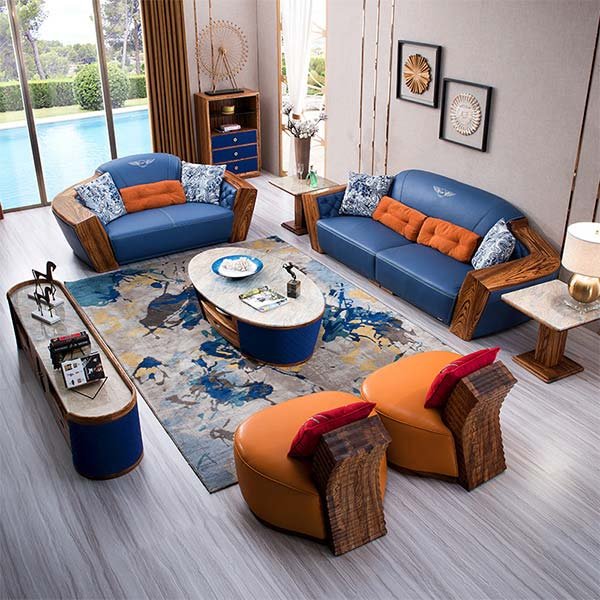
Next, arrange your seating in a way that encourages conversation. Place chairs and sofas facing each other to create an intimate seating area. Avoid placing furniture too far apart, as this can make it difficult for people to hear each other and engage in conversation.
Consider the placement of coffee tables and side tables to ensure that they are within reach of all seating areas. These tables can serve as a place to set drinks or snacks, making it easier for guests to relax and socialize.
Incorporate additional seating options, such as ottomans or poufs, to accommodate larger gatherings. These versatile pieces can be easily moved around the room to create additional seating as needed.
When arranging furniture for conversation, it’s important to consider the overall balance of the room. Avoid overcrowding the space with too much furniture, as this can make the room feel cramped and uncomfortable. Instead, focus on creating a layout that allows for easy movement and promotes social interaction.
Incorporate rugs and lighting to enhance the conversation area. A rug can help define the seating area and add warmth to the space, while lighting can create a cozy atmosphere for gatherings. Consider using a mix of overhead lighting, floor lamps, and table lamps to create a well-lit and inviting space.
Finally, don’t be afraid to experiment with different furniture arrangements until you find a layout that works for your space. Remember that the goal is to create a comfortable and inviting environment that encourages conversation and social interaction.
By following these tips and guidelines, you can create a living room that is perfect for entertaining guests and spending time with loved ones. With the right furniture arrangement, you can create a space that is both functional and stylish, making it the perfect place to relax and unwind.
Maximizing Space in a Small Living Room
When it comes to decorating a small living room, maximizing space is key. With limited square footage, it’s important to carefully plan out the placement of your furniture to ensure that the room feels open and inviting. By following a few simple tips, you can make the most of your small living room and create a stylish and functional space.
One of the first things to consider when placing furniture in a small living room is the layout of the room. Take note of any architectural features, such as windows, doors, and built-in shelving, as these will impact where you can place your furniture. It’s also important to consider the flow of traffic in the room and ensure that there is enough space for people to move around comfortably.
When it comes to seating arrangements, opt for furniture that is scaled to the size of the room. Choose a small sofa or loveseat instead of a large sectional, and consider using armless chairs or ottomans that can be easily moved around as needed. Place seating along the walls to create an open and airy feel, and leave plenty of space in the center of the room for walking and traffic flow.
In a small living room, it’s important to make use of every inch of space. Consider using multi-functional furniture, such as a coffee table with storage or a sofa bed, to maximize the functionality of the room. You can also use vertical space by adding shelves or wall-mounted storage units to keep clutter off the floor and create a more open feel.
When arranging furniture in a small living room, it’s important to create a focal point to draw the eye and anchor the room. This could be a fireplace, a piece of artwork, or a statement piece of furniture. Arrange your furniture around this focal point to create a cohesive and visually appealing layout.
To make the room feel larger, consider using light colors on the walls and furniture. Lighter shades will reflect more light and create a sense of openness, while darker colors can make the room feel smaller and more cramped. You can also use mirrors to create the illusion of more space by reflecting light and opening up the room.
In conclusion, maximizing space in a small living room is all about careful planning and thoughtful placement of furniture. By considering the layout of the room, choosing appropriately scaled furniture, and creating a focal point, you can create a stylish and functional space that feels open and inviting. With a few simple tips and tricks, you can make the most of your small living room and create a space that you’ll love spending time in.
Creating a Focal Point with Furniture
When it comes to designing your living room, one of the most important aspects to consider is how to place your furniture. The way you arrange your furniture can have a big impact on the overall look and feel of the room. One key element to keep in mind is creating a focal point with your furniture.
A focal point is a central point of interest in a room that draws the eye and helps to anchor the space. In a living room, this could be a fireplace, a large piece of artwork, or a statement piece of furniture. By placing your furniture around this focal point, you can create a sense of balance and harmony in the room.
One way to create a focal point with your furniture is to arrange your seating around a central piece, such as a coffee table or a fireplace. This can help to create a cozy and inviting atmosphere in the room. You can also use a large piece of furniture, such as a sofa or a sectional, as the focal point and arrange the rest of your furniture around it.
Another way to create a focal point with your furniture is to use color and texture to draw the eye. You can do this by choosing a bold, statement piece of furniture, such as a brightly colored sofa or a textured armchair, and placing it in a prominent position in the room. This can help to create a sense of drama and visual interest in the space.
In addition to creating a focal point with your furniture, it’s also important to consider the flow of the room. Make sure that there is enough space between your furniture pieces to allow for easy movement around the room. You should also consider the function of the room and arrange your furniture in a way that makes sense for how you use the space.
When arranging your furniture, it’s important to consider the scale and proportion of the pieces. Make sure that your furniture is appropriately sized for the room and that it doesn’t overwhelm the space. You should also consider the height of your furniture and make sure that it is in proportion to the height of the room.
In conclusion, creating a focal point with your furniture is an important aspect of designing your living room. By arranging your furniture around a central point of interest, you can create a sense of balance and harmony in the space. Remember to consider the flow of the room, the scale and proportion of your furniture, and the function of the space when arranging your furniture. With these tips in mind, you can create a stylish and inviting living room that is both functional and beautiful.
Заключение
Place your furniture in your living room in a way that creates a comfortable and functional space for you and your family. Consider the flow of traffic, the focal point of the room, and the size and scale of your furniture pieces. Experiment with different arrangements until you find one that works best for your needs and preferences. Remember to leave enough space for easy movement and to avoid overcrowding the room.