“Embrace the darkness: Elevate your living room with bold and sophisticated decor.”
Mixing light and dark colors
Decorating a living room with dark furniture can be a challenging task, but with the right approach, it can create a sophisticated and elegant space. One of the key elements to consider when working with dark furniture is mixing light and dark colors.
When it comes to mixing light and dark colors in a living room with dark furniture, it’s important to create a balance. Too much dark can make the room feel heavy and oppressive, while too much light can make it feel stark and uninviting. The key is to find the right balance between the two.
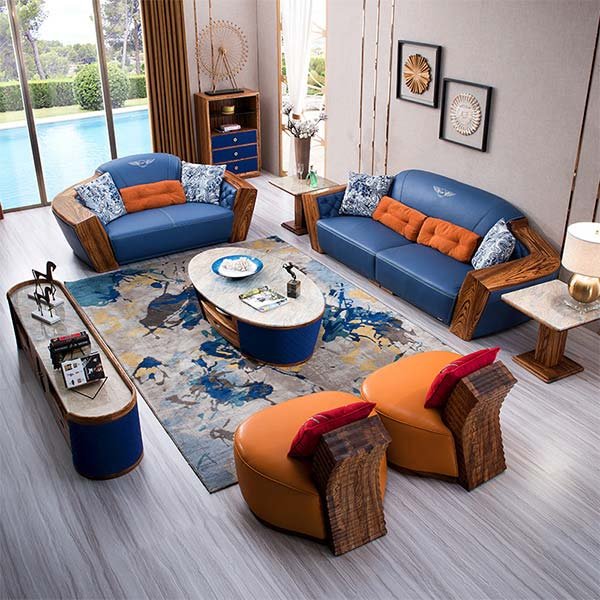
One way to achieve this balance is by incorporating light-colored accents into the room. This can be done through the use of throw pillows, rugs, curtains, and artwork. By adding these lighter elements, you can create a sense of contrast that will help to break up the darkness of the furniture.
Another way to mix light and dark colors in a living room with dark furniture is by using a variety of textures. Textures can add depth and visual interest to a room, helping to create a more dynamic space. Consider incorporating different textures such as velvet, leather, and wood to add dimension to the room.
In addition to mixing light and dark colors, it’s also important to consider the overall color scheme of the room. When working with dark furniture, it’s best to stick to a neutral color palette to avoid overwhelming the space. Colors such as white, beige, and grey can help to balance out the darkness of the furniture and create a cohesive look.
When choosing colors for the walls, consider opting for lighter shades to help brighten up the room. Light grey, soft beige, or off-white are all great options that can complement dark furniture while creating a more open and airy feel.
In terms of lighting, it’s important to ensure that the room is well-lit to prevent it from feeling too dark and gloomy. Consider incorporating a mix of overhead lighting, floor lamps, and table lamps to create a warm and inviting atmosphere. Additionally, using mirrors strategically can help to reflect light around the room and make it feel brighter.
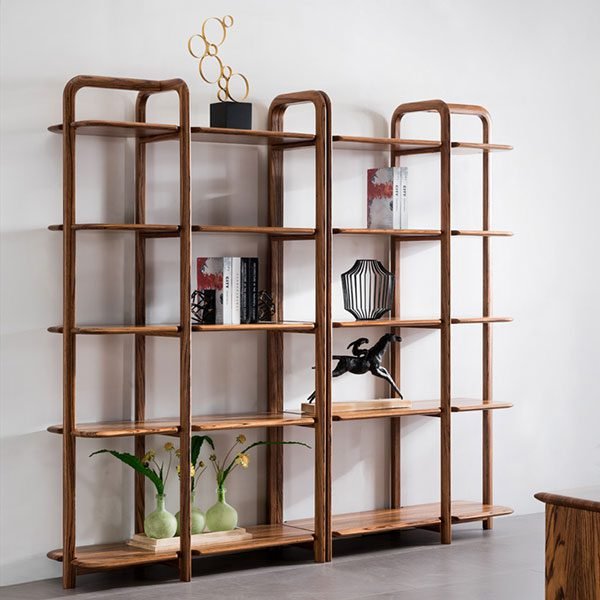
When it comes to accessories, opt for metallic accents such as gold or silver to add a touch of glamour to the space. These accents can help to break up the darkness of the furniture and add a sense of luxury to the room.
In conclusion, mixing light and dark colors in a living room with dark furniture can create a stylish and sophisticated space. By finding the right balance between light and dark elements, incorporating textures, sticking to a neutral color palette, and ensuring the room is well-lit, you can create a beautiful and inviting living room that showcases your dark furniture in the best possible light.
Adding pops of color
Decorating a living room with dark furniture can be a challenge, as it can sometimes make the space feel heavy or closed off. However, with the right design choices, you can create a stylish and inviting space that showcases your dark furniture in the best light. One way to add interest and balance to a room with dark furniture is by incorporating pops of color.
When adding pops of color to a living room with dark furniture, it’s important to choose colors that complement the dark tones rather than clash with them. One option is to use a bold, contrasting color to create a striking focal point in the room. For example, a bright red or yellow accent wall can add a pop of color that stands out against dark furniture, creating a dynamic and visually appealing space.
Another way to incorporate pops of color is by using accessories such as throw pillows, rugs, and artwork. These smaller accents can add touches of color throughout the room, creating a cohesive and balanced look. Consider choosing colors that are found in the dark furniture, such as deep blues, greens, or purples, to tie the room together and create a harmonious color palette.
In addition to using bold colors, you can also add pops of color through the use of patterns and textures. Mixing different patterns and textures can add visual interest to a room with dark furniture, creating a layered and dynamic look. Consider incorporating patterned throw pillows, textured rugs, or colorful curtains to add depth and dimension to the space.
When adding pops of color to a living room with dark furniture, it’s important to consider the overall mood and style of the room. For a more modern and contemporary look, consider using bright, bold colors and geometric patterns. If you prefer a more traditional or classic style, opt for softer, more muted colors and floral or paisley patterns.
Ultimately, the key to successfully decorating a living room with dark furniture is to strike a balance between the dark tones and the pops of color. By choosing colors, patterns, and textures that complement the dark furniture, you can create a stylish and inviting space that showcases your furniture in the best possible light. Experiment with different color combinations and accessories to find the perfect balance for your living room. With a little creativity and attention to detail, you can transform your living room into a beautiful and welcoming space that reflects your personal style.
Using mirrors to reflect light
Dark furniture can add a touch of elegance and sophistication to a living room, but it can also make the space feel smaller and darker. One way to combat this issue is by using mirrors to reflect light and create the illusion of a larger, brighter room.
Mirrors are a versatile and practical tool for decorating a living room with dark furniture. Placing a large mirror on a wall opposite a window can help bounce natural light around the room, making it feel more spacious and airy. Additionally, mirrors can also reflect artificial light sources, such as lamps and overhead fixtures, to further brighten up the space.
When choosing mirrors for your living room, consider the size and shape of the room as well as the style of your dark furniture. A large, statement mirror can make a bold impact in a room with dark furniture, while a collection of smaller mirrors can create a more eclectic and dynamic look. Additionally, consider the frame of the mirror – a metallic or light-colored frame can help to visually lighten up the space.
In addition to traditional wall mirrors, consider using mirrored furniture pieces to add a touch of glamour to your living room. Mirrored coffee tables, side tables, or cabinets can reflect light and create a sense of depth in the room. These pieces can also help to break up the visual weight of dark furniture and add a modern touch to the space.
Another way to use mirrors in a living room with dark furniture is to create a gallery wall of mirrors. Mix and match different shapes, sizes, and styles of mirrors to create a visually interesting display that will also help to brighten up the room. This can be a fun and creative way to add personality to your living room while also maximizing the light-reflecting properties of mirrors.
When arranging mirrors in your living room, consider the placement and angle of each mirror to maximize its light-reflecting potential. Experiment with different positions and angles to see how the light bounces off the mirrors and illuminates the space. Additionally, be mindful of what the mirrors are reflecting – positioning a mirror to reflect a beautiful piece of artwork or a stunning view can enhance the overall aesthetic of the room.
In conclusion, using mirrors to reflect light is a simple yet effective way to decorate a living room with dark furniture. Mirrors can help to brighten up the space, create the illusion of a larger room, and add a touch of glamour and sophistication. Whether you choose to use traditional wall mirrors, mirrored furniture pieces, or a gallery wall of mirrors, incorporating mirrors into your living room decor can transform the space and make it feel more inviting and light-filled.
Заключение
Choose light-colored walls and accessories to contrast with the dark furniture and create a balanced look. Add plenty of lighting, such as floor lamps and table lamps, to brighten up the space. Incorporate colorful throw pillows, rugs, and artwork to add pops of color and interest. Consider adding mirrors to reflect light and make the room feel larger. Lastly, don’t be afraid to mix in different textures and materials to add depth and dimension to the room.