“Create a seamless flow with smart furniture placement in your living room dining room combo.”
Utilize area rugs to define separate spaces
Arranging furniture in a living room dining room combo can be a challenging task, as you want to create distinct areas for both functions while still maintaining a cohesive look. One effective way to achieve this is by utilizing area rugs to define separate spaces.
Area rugs are a versatile design element that can help anchor furniture groupings and visually separate one area from another. When choosing area rugs for a living room dining room combo, it’s important to consider the size and shape of the space, as well as the style and color scheme you want to achieve.
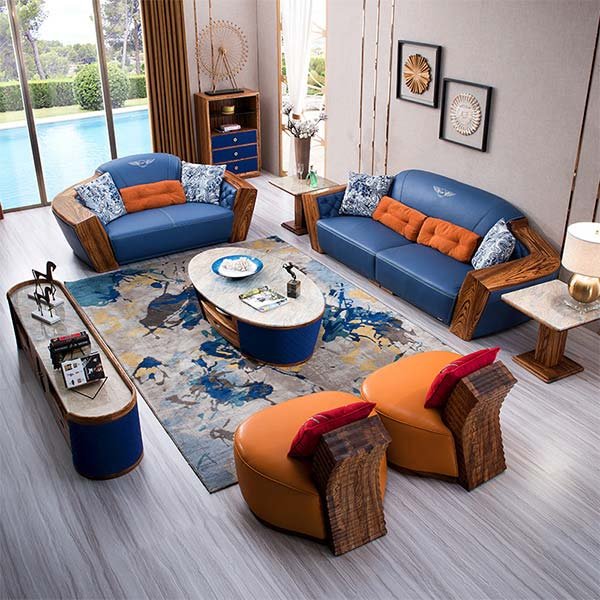
In the living room area, a large area rug can help define the seating area and create a cozy atmosphere. Choose a rug that is large enough to fit all of the furniture in the seating area, with at least a few inches of space between the rug and the walls. This will help create a sense of unity and cohesion in the space.
In the dining room area, a rug under the dining table can help anchor the table and chairs and define the dining space. Choose a rug that is large enough to accommodate the table and chairs, with at least 24 inches of extra space on all sides to allow for comfortable movement around the table. This will help create a sense of intimacy and warmth in the dining area.
To tie the two areas together, consider using rugs with complementary colors or patterns. This will help create a cohesive look and tie the two spaces together visually. Additionally, using rugs with similar textures or materials can help create a sense of continuity throughout the space.
When arranging furniture on top of area rugs, be sure to consider the placement of the rug in relation to the furniture. In the living room area, place the front legs of the furniture on the rug to help anchor the seating area. In the dining room area, place the dining table and chairs completely on the rug to define the dining space.
By utilizing area rugs to define separate spaces in a living room dining room combo, you can create a cohesive and visually appealing design that balances both function and style. Whether you choose rugs with complementary colors or patterns, or opt for rugs with similar textures or materials, the key is to create a sense of unity and cohesion throughout the space. With careful planning and consideration, you can create a harmonious living room dining room combo that is both functional and beautiful.
Use multifunctional furniture pieces
Arranging furniture in a living room dining room combo can be a challenging task, as you want to create separate spaces for both functions while still maintaining a cohesive look. One way to achieve this is by using multifunctional furniture pieces.
Multifunctional furniture pieces are a great way to maximize space in a living room dining room combo. For example, a dining table that can double as a desk or a coffee table with storage compartments can help you make the most of the limited space available. Look for furniture pieces that can serve multiple purposes to ensure that your space remains functional and organized.
Another benefit of using multifunctional furniture pieces is that they can help create a seamless transition between the living room and dining room areas. For example, a sofa with a built-in dining table can help define the dining area while still allowing for easy flow between the two spaces. By choosing furniture pieces that can serve multiple functions, you can create a cohesive look that ties the two areas together.
In addition to using multifunctional furniture pieces, consider the layout of your living room dining room combo. When arranging furniture, think about the flow of traffic and how people will move through the space. Place larger furniture pieces, such as sofas and dining tables, against the walls to create an open and spacious feel. This will also help define the separate areas within the room.
To further define the living room and dining room areas, consider using area rugs. Placing a rug under the dining table can help anchor the space and create a visual separation between the two areas. Similarly, placing a rug under the sofa in the living room area can help define that space and create a cozy seating area.
When arranging furniture in a living room dining room combo, it’s important to consider the scale and proportion of the pieces you choose. Avoid overcrowding the space with too much furniture, as this can make the room feel cramped and cluttered. Instead, choose a few key pieces that will make a statement and complement each other.
Finally, don’t be afraid to experiment with different furniture arrangements until you find one that works for your space. Rearranging furniture can help you discover new ways to maximize space and create a functional layout that suits your needs. By using multifunctional furniture pieces, considering the layout of the room, and experimenting with different arrangements, you can create a stylish and functional living room dining room combo that works for you.
Create a cohesive color scheme for both rooms
Arranging furniture in a living room dining room combo can be a challenging task, as you want to create a cohesive and functional space that works well for both areas. One of the key elements to consider when arranging furniture in these rooms is creating a cohesive color scheme that ties both spaces together.
When creating a cohesive color scheme for both rooms, it’s important to choose a color palette that complements each other. One way to do this is by selecting a neutral color as a base, such as white, beige, or gray, and then adding pops of color through accent pieces like throw pillows, rugs, and artwork. This will help create a harmonious flow between the two rooms while still allowing each space to have its own unique style.
Another tip for creating a cohesive color scheme is to use similar tones and shades throughout both rooms. For example, if you have a light blue sofa in the living room, consider incorporating a similar shade of blue in the dining room through curtains or chair cushions. This will help tie the two spaces together visually and create a sense of continuity.
In addition to using similar colors and tones, it’s also important to consider the overall mood and atmosphere you want to create in both rooms. For example, if you want a cozy and inviting feel, consider using warm and earthy tones like browns, oranges, and reds. On the other hand, if you prefer a more modern and sleek look, opt for cool tones like blues, greens, and grays.
When arranging furniture in a living room dining room combo, it’s important to consider the flow of traffic and how people will move through the space. One way to do this is by creating distinct zones for each area, such as a seating area in the living room and a dining area in the dining room. This will help define each space and make it easier for people to navigate through the room.
To create a cohesive color scheme for both rooms, consider using a mix of furniture pieces that complement each other. For example, if you have a wooden dining table in the dining room, consider incorporating wooden accents in the living room, such as a coffee table or bookshelf. This will help tie the two spaces together and create a sense of unity.
Overall, creating a cohesive color scheme for a living room dining room combo is all about finding a balance between the two spaces and creating a harmonious flow between them. By using similar colors and tones, considering the overall mood and atmosphere you want to create, and arranging furniture in a way that defines each area, you can create a stylish and functional space that works well for both rooms.
Заключение
Arrange furniture in a living room dining room combo by creating separate zones for each area, using rugs to define spaces, choosing furniture that can serve dual purposes, and ensuring there is enough space for easy movement between the two areas.