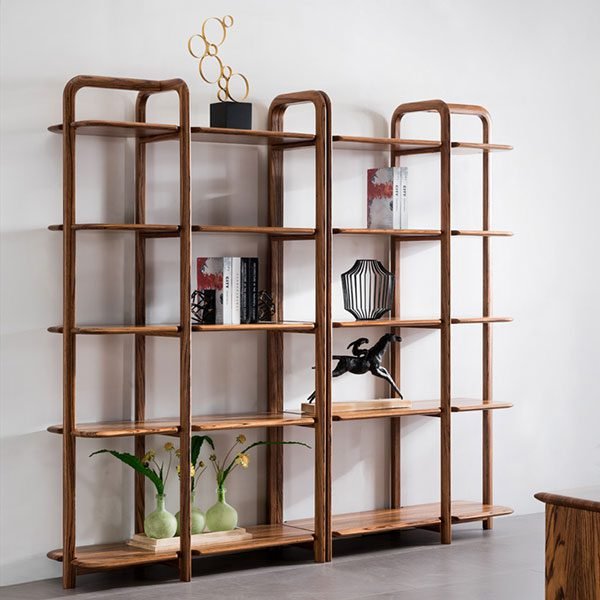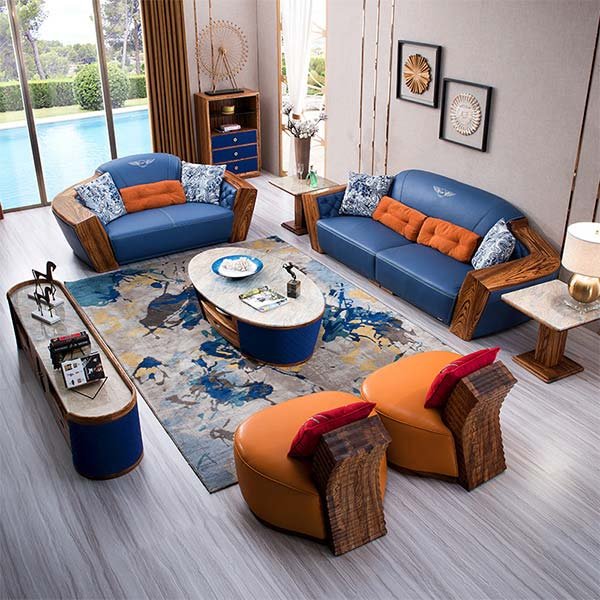
Mix and match for a unique touch!
Mixing different styles of furniture
Mixing different styles of furniture in a living room can create a unique and eclectic look that reflects your personal style and taste. While some people prefer a more cohesive and matching look, mixing different styles can add interest and character to your space.
One way to mix different styles of furniture is to choose pieces that have a common element, such as color or shape. For example, you could mix a modern sofa with a traditional coffee table, as long as they both have a similar color palette. This can help tie the different pieces together and create a cohesive look.
Another way to mix different styles of furniture is to use a unifying theme or style throughout the room. For example, you could mix vintage and modern pieces, but tie them together with a common theme such as a bohemian or industrial style. This can help create a cohesive and harmonious look, even if the individual pieces are different styles.
When mixing different styles of furniture, it’s important to pay attention to scale and proportion. Make sure that the different pieces work well together in terms of size and shape. For example, a large, overstuffed sofa may not look right next to a small, delicate side table. By paying attention to scale and proportion, you can create a balanced and visually appealing space.
It’s also important to consider the overall flow and layout of the room when mixing different styles of furniture. Make sure that the different pieces are arranged in a way that allows for easy movement and functionality. Avoid cluttering the space with too many different styles, as this can make the room feel chaotic and overwhelming.
In conclusion, mixing different styles of furniture in a living room can create a unique and personalized look that reflects your individual style. By choosing pieces that have a common element, using a unifying theme, paying attention to scale and proportion, and considering the overall flow and layout of the room, you can create a cohesive and harmonious space that is both stylish and functional. So, does furniture have to match in a living room? Not necessarily – mixing different styles can add interest and character to your space.
Using a cohesive color palette
When it comes to decorating a living room, one common question that often arises is whether furniture has to match. While some people prefer a perfectly coordinated look, others enjoy mixing and matching different pieces to create a more eclectic and personalized space. One way to achieve a cohesive look in your living room is by using a cohesive color palette.
A cohesive color palette is a key element in creating a harmonious and visually appealing living room. By selecting a few key colors to use throughout the space, you can tie together different furniture pieces and accessories to create a unified look. This doesn’t mean that everything has to match perfectly, but rather that there is a sense of balance and harmony in the overall color scheme.
One way to create a cohesive color palette is by choosing a dominant color to serve as the foundation for the room. This could be a neutral shade like white, beige, or gray, or a bolder color like navy blue or emerald green. Once you have selected your dominant color, you can then choose one or two accent colors to complement it. These accent colors can be used in smaller doses through throw pillows, rugs, curtains, and other accessories to add depth and interest to the space.
Another way to use a cohesive color palette in your living room is by incorporating different shades of the same color. For example, if you choose blue as your dominant color, you can use varying shades of blue throughout the room to create a sense of cohesion. This can be done through different furniture pieces, wall paint, and decorative accents to add visual interest while still maintaining a unified look.
In addition to selecting a dominant color and accent colors, it’s also important to consider the overall mood and style you want to achieve in your living room. For a more traditional and formal look, you may want to stick to a more subdued color palette with classic colors like cream, taupe, and burgundy. On the other hand, if you prefer a more modern and eclectic style, you can experiment with bold and vibrant colors like teal, mustard yellow, and coral.
Ultimately, the decision of whether furniture has to match in a living room comes down to personal preference. Some people may prefer a more coordinated look, while others may enjoy mixing and matching different styles and colors. However, using a cohesive color palette can help tie together different elements in the room and create a sense of unity and balance. By selecting a dominant color, accent colors, and considering the overall mood and style of the space, you can create a living room that is both visually appealing and reflective of your personal taste.
Incorporating statement pieces
When it comes to decorating a living room, one common question that often arises is whether furniture has to match. While matching furniture sets can create a cohesive look, incorporating statement pieces can add interest and personality to the space.
Statement pieces are items that stand out and make a bold statement in a room. They can be anything from a unique sofa or armchair to a striking coffee table or piece of artwork. By incorporating statement pieces into your living room, you can create a visually dynamic space that reflects your personal style.
One way to incorporate statement pieces into your living room is to mix and match different styles of furniture. For example, you could pair a modern sofa with a vintage coffee table or mix traditional armchairs with a contemporary rug. This eclectic mix of styles adds depth and character to the room, making it more visually interesting.
Another way to incorporate statement pieces is to focus on one standout item and build the rest of the room around it. For example, if you have a bold, colorful rug that you love, you could choose furniture and accessories that complement and enhance its colors and patterns. This creates a cohesive look while still allowing the statement piece to shine.
Incorporating statement pieces doesn’t mean that every item in your living room has to be a showstopper. In fact, it’s often more effective to have one or two standout pieces that draw the eye and create a focal point in the room, while the rest of the furniture and accessories serve as supporting players.
When choosing statement pieces for your living room, consider the scale of the room and the other items in it. A large, dramatic piece of furniture may overwhelm a small space, while a small, delicate item may get lost in a large room. It’s important to strike a balance and choose statement pieces that complement the size and layout of the room.
Incorporating statement pieces into your living room can also be a fun way to experiment with different styles and trends. You can mix and match pieces from different eras, play with bold colors and patterns, and showcase your personal taste and creativity. Don’t be afraid to take risks and step outside your comfort zone – after all, your living room should be a reflection of who you are.
In conclusion, while matching furniture sets can create a cohesive look in a living room, incorporating statement pieces can add personality and interest to the space. By mixing and matching different styles, focusing on standout items, and experimenting with bold colors and patterns, you can create a visually dynamic and unique living room that reflects your personal style. So, does furniture have to match in a living room? The answer is no – as long as you choose statement pieces that speak to you and create a space that you love.
Заключение
Furniture does not have to match in a living room. Mixing different styles, colors, and textures can create a more interesting and personalized space.