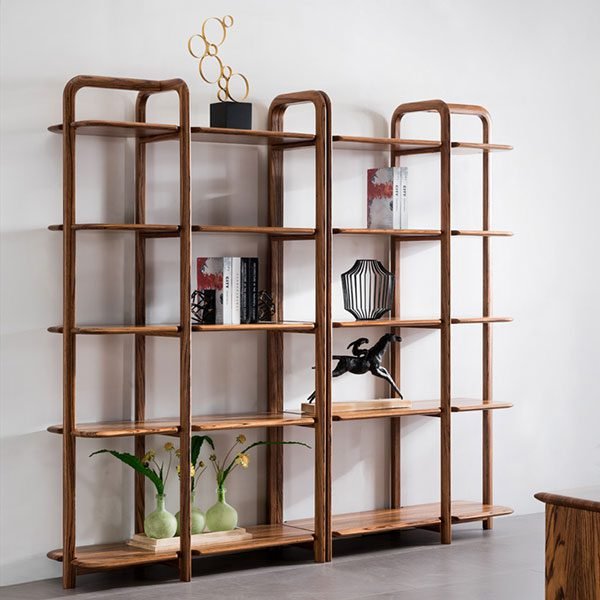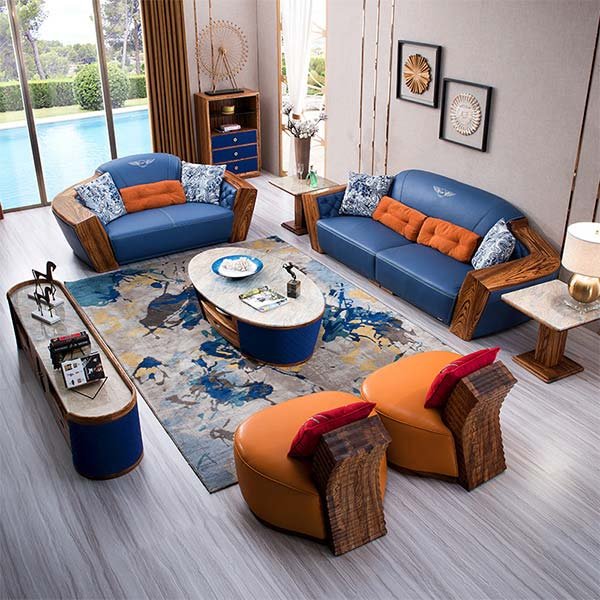
“Mix and match for a unique touch!”
Mixing different styles
When it comes to decorating a living room, one of the common dilemmas that many people face is whether or not the furniture has to match. While some may prefer a cohesive look with matching furniture sets, others may opt for a more eclectic approach by mixing different styles. Mixing different styles of furniture in the living room can actually create a more interesting and dynamic space.
One of the benefits of mixing different styles of furniture is that it allows for more creativity and personalization in the design of the room. By combining pieces from different eras, styles, and materials, you can create a unique and eclectic look that reflects your individual taste and personality. This can make your living room feel more inviting and personalized, rather than looking like a showroom display.
Another advantage of mixing different styles of furniture is that it can help to create a more visually interesting space. By incorporating a variety of textures, colors, and shapes, you can add depth and dimension to the room. For example, pairing a modern sofa with a vintage coffee table or mixing sleek metal accents with rustic wood pieces can create a visually stimulating contrast that adds character to the room.
Additionally, mixing different styles of furniture can help to break up the monotony of a room that is too matchy-matchy. While matching furniture sets can create a sense of cohesion and harmony, they can also make a room feel predictable and uninspired. By mixing different styles, you can introduce unexpected elements that add a sense of intrigue and personality to the space.
When mixing different styles of furniture, it is important to consider the overall aesthetic of the room and how each piece contributes to the overall design. While it is perfectly fine to mix different styles, it is important to ensure that there is some level of cohesion and harmony in the room. This can be achieved by incorporating a unifying element, such as a common color palette, material, or design motif, that ties the different pieces together.
In conclusion, living room furniture does not have to match in order to create a stylish and cohesive space. Mixing different styles of furniture can actually enhance the design of the room by adding creativity, visual interest, and personality. By carefully selecting and combining pieces from different styles, you can create a unique and personalized living room that reflects your individual taste and style. So don’t be afraid to mix it up and experiment with different furniture styles to create a living room that is truly one-of-a-kind.
Using a cohesive color palette
When it comes to decorating a living room, one of the most common questions that arises is whether or not the furniture has to match. While some people prefer a more eclectic look with mismatched pieces, others prefer a more cohesive and coordinated design. One way to achieve a cohesive look in your living room is by using a cohesive color palette.
A cohesive color palette is a selection of colors that work well together and create a harmonious and unified look in a space. When choosing a color palette for your living room furniture, it’s important to consider the overall style and mood you want to create. For example, if you want a modern and sleek look, you might opt for a monochromatic color scheme with shades of grey, black, and white. On the other hand, if you prefer a more cozy and inviting feel, you might choose warm and earthy tones like browns, beiges, and greens.
One way to create a cohesive color palette in your living room is by selecting a dominant color and using it as the base for your furniture. This dominant color can be used for larger pieces like the sofa or armchairs, while accent colors can be used for smaller pieces like throw pillows, rugs, and curtains. By sticking to a consistent color scheme, you can create a sense of unity and balance in your living room.
Another way to use a cohesive color palette in your living room is by incorporating different shades and tones of the same color. For example, if you choose blue as your dominant color, you can mix and match different shades of blue like navy, sky blue, and teal to create depth and visual interest. This technique allows you to play with color while still maintaining a cohesive look.
In addition to selecting a dominant color and incorporating different shades, you can also use complementary colors to create a cohesive color palette in your living room. Complementary colors are colors that are opposite each other on the color wheel, such as blue and orange or red and green. By pairing complementary colors together, you can create a dynamic and visually appealing look in your living room.
When using a cohesive color palette in your living room, it’s important to consider the size and layout of the space. Lighter colors can make a room feel larger and more open, while darker colors can create a cozy and intimate atmosphere. Additionally, you should also consider the natural light in the room, as different colors can be affected by sunlight in different ways.
In conclusion, while living room furniture doesn’t necessarily have to match, using a cohesive color palette can help create a unified and harmonious look in your space. By selecting a dominant color, incorporating different shades and tones, and using complementary colors, you can create a stylish and cohesive living room that reflects your personal style. So, next time you’re decorating your living room, consider using a cohesive color palette to bring your space to life.
Incorporating statement pieces
When it comes to decorating a living room, one common question that often arises is whether or not the furniture has to match. While some people prefer a cohesive look with matching furniture sets, others opt for a more eclectic approach by incorporating statement pieces.
Incorporating statement pieces into your living room can add personality and visual interest to the space. These pieces can serve as focal points and conversation starters, making your living room feel unique and inviting. Whether it’s a bold-colored sofa, a vintage coffee table, or a quirky accent chair, statement pieces can help to showcase your personal style and create a one-of-a-kind look.
One way to incorporate statement pieces into your living room is by mixing different styles of furniture. For example, you could pair a modern sofa with a vintage armchair, or mix and match different types of coffee tables for an eclectic look. By combining contrasting styles, you can create a visually dynamic space that reflects your individual taste and creativity.
Another way to incorporate statement pieces is by adding pops of color. A brightly colored accent chair or a vibrant area rug can instantly liven up a neutral color scheme and add a touch of personality to your living room. You can also experiment with different patterns and textures to create visual interest and depth in the space.
When incorporating statement pieces into your living room, it’s important to consider the scale and proportion of the furniture. Make sure that the statement pieces you choose are in proportion to the rest of the furniture in the room, so that they don’t overwhelm the space. Additionally, consider the flow and layout of the room to ensure that the statement pieces enhance the overall design rather than detract from it.
Ultimately, whether or not living room furniture has to match is a matter of personal preference. While matching furniture sets can create a cohesive and harmonious look, incorporating statement pieces can add character and individuality to your living room. By mixing styles, adding pops of color, and paying attention to scale and proportion, you can create a space that is uniquely yours and reflects your personal style. So go ahead, mix and match, and have fun creating a living room that truly speaks to who you are.
Заключение
Living room furniture does not have to match. Mixing different styles, colors, and textures can create a more interesting and personalized look in a living room.