“Maximize space, minimize clutter – the key to a stylish small living room layout!”
Utilize multi-functional furniture
When it comes to designing a small living room, one of the key factors to consider is how to make the most of the limited space available. One effective strategy for maximizing space in a small living room is to utilize multi-functional furniture. Multi-functional furniture is designed to serve more than one purpose, making it a great option for small spaces where every square inch counts.
One popular piece of multi-functional furniture for small living rooms is a sofa bed. A sofa bed can serve as both a comfortable seating option during the day and a cozy bed for guests at night. This dual functionality can be a real space-saver in a small living room, eliminating the need for a separate guest room or bulky air mattress.
Another versatile piece of furniture for small living rooms is a storage ottoman. A storage ottoman can serve as a footrest, extra seating, and a place to store blankets, pillows, and other items that tend to clutter up a small space. By choosing a storage ottoman with a lid that doubles as a tray, you can also create a makeshift coffee table when needed.
In addition to multi-functional furniture, another important consideration when laying out furniture in a small living room is to choose pieces that are appropriately scaled for the space. Oversized furniture can overwhelm a small room and make it feel cramped, while furniture that is too small can make the room feel empty and uninviting. To strike the right balance, opt for furniture that is proportional to the size of the room and allows for easy traffic flow.
When arranging furniture in a small living room, it’s also important to consider the placement of each piece to maximize space and create a functional layout. One effective strategy is to float furniture away from the walls to create a more open and airy feel. This can help to visually expand the space and make the room feel larger than it actually is.
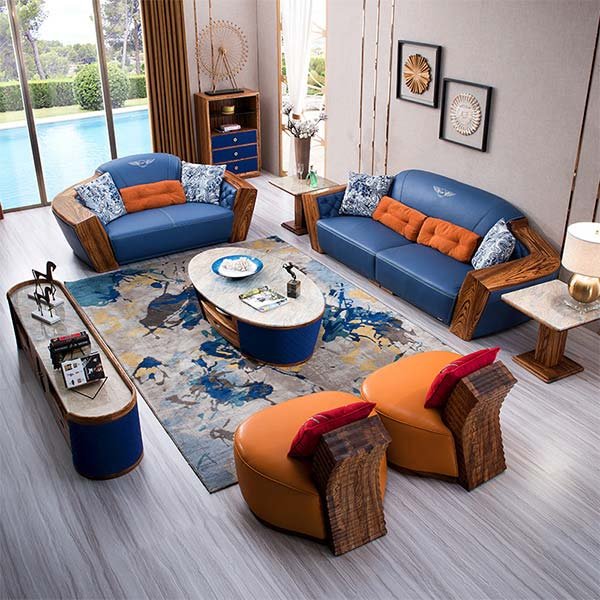
Another tip for arranging furniture in a small living room is to create distinct zones for different activities. For example, you could designate one area for seating and conversation, another area for watching TV, and a third area for reading or relaxing. By clearly defining these zones, you can create a sense of order and organization in the room, making it feel more spacious and inviting.
In conclusion, when it comes to laying out furniture in a small living room, utilizing multi-functional furniture, choosing appropriately scaled pieces, and arranging furniture strategically are key considerations. By following these tips, you can create a stylish and functional living room that makes the most of your limited space.
Create zones within the room
When it comes to designing a small living room, one of the key factors to consider is how to layout the furniture in a way that maximizes space and functionality. One effective strategy is to create zones within the room, each serving a specific purpose.
One way to create zones within a small living room is to use area rugs to define different areas. For example, you could place a rug under the seating area to visually separate it from the rest of the room. This can help to create a sense of organization and structure in the space.
Another way to create zones within a small living room is to use furniture placement to delineate different areas. For example, you could place a sofa facing away from the dining area to create a clear separation between the two spaces. This can help to make the room feel more cohesive and organized.
In addition to using area rugs and furniture placement, you can also create zones within a small living room by using different lighting techniques. For example, you could use a floor lamp to create a cozy reading nook in one corner of the room, while using overhead lighting to illuminate the rest of the space. This can help to create a sense of depth and dimension in the room.
Overall, creating zones within a small living room is a great way to maximize space and functionality. By using area rugs, furniture placement, and lighting techniques, you can create a well-organized and visually appealing space that meets your needs and reflects your personal style.
Use vertical space efficiently
When it comes to designing a small living room, one of the key factors to consider is how to make the most of the limited space available. One effective strategy for maximizing space in a small living room is to use vertical space efficiently. By utilizing the vertical space in the room, you can create a sense of height and openness, making the room feel larger and more spacious.
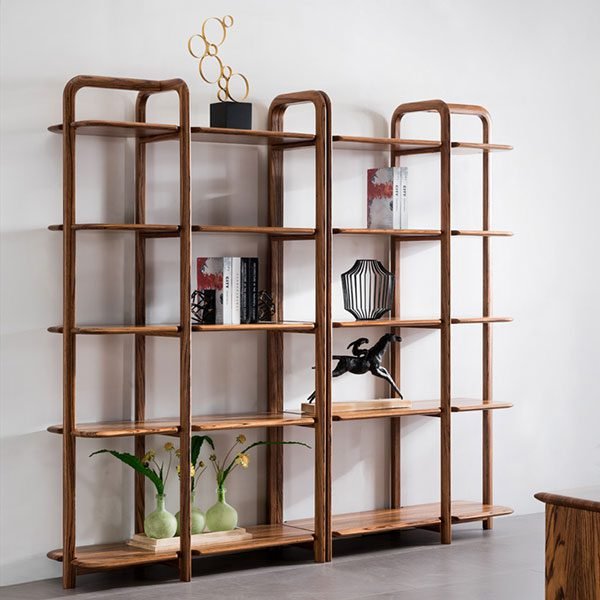
One way to use vertical space efficiently in a small living room is to invest in tall, narrow furniture pieces. Instead of opting for bulky, low-slung furniture that takes up valuable floor space, consider choosing furniture pieces that are taller and more compact. For example, a tall bookcase or shelving unit can provide ample storage space for books, decorative items, and other belongings, without taking up too much floor space.
Another way to use vertical space efficiently in a small living room is to hang shelves or wall-mounted storage units. By installing shelves or storage units on the walls, you can free up valuable floor space and create additional storage options for books, decorative items, and other belongings. Wall-mounted storage units can also help to draw the eye upward, creating a sense of height and openness in the room.
In addition to tall furniture pieces and wall-mounted storage units, another way to use vertical space efficiently in a small living room is to hang curtains or drapes high above the windows. By hanging curtains or drapes close to the ceiling, you can create the illusion of taller windows and a higher ceiling, making the room feel more spacious and airy. Opt for light, sheer curtains that allow natural light to filter through, further enhancing the sense of openness in the room.
Furthermore, consider incorporating vertical elements into your decor to make the most of the vertical space in your small living room. For example, hanging artwork or mirrors on the walls can help to draw the eye upward and create a sense of height in the room. Additionally, tall potted plants or floor lamps can add vertical interest and visual appeal to the space, making it feel more dynamic and inviting.
In conclusion, using vertical space efficiently is a key strategy for maximizing space in a small living room. By investing in tall, narrow furniture pieces, hanging shelves or wall-mounted storage units, hanging curtains or drapes high above the windows, and incorporating vertical elements into your decor, you can create a sense of height and openness in the room, making it feel larger and more spacious. With these tips in mind, you can design a small living room that is both functional and visually appealing.
Заключение
Arrange furniture in a small living room by creating a focal point, maximizing space with multifunctional pieces, using light colors to create the illusion of space, and keeping the layout open and uncluttered.