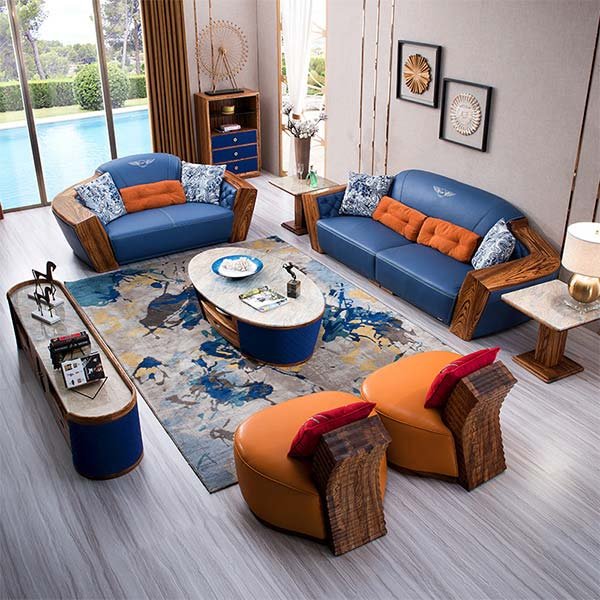
“Embrace the Beauty of Nature with Wood Furniture in Natural Architecture”
The Beauty and Functionality of Wood Furniture in Natural Architecture
Insight into How Wood Furniture Plays a Role in Natural Architecture
Wood furniture has long been a staple in interior design, and its role in natural architecture cannot be overstated. Not only does wood furniture add a touch of warmth and beauty to any space, but it also serves a functional purpose in creating a harmonious and sustainable environment. In this article, we will explore the beauty and functionality of wood furniture in natural architecture.
One of the key aspects of natural architecture is the use of sustainable materials. Wood, being a renewable resource, fits perfectly into this concept. Unlike other materials that require extensive processing and have a negative impact on the environment, wood furniture can be sourced from responsibly managed forests. This ensures that the natural beauty of the wood is preserved while minimizing the ecological footprint.
In addition to its sustainability, wood furniture also offers a unique aesthetic appeal. The natural grain patterns and textures of wood create a sense of warmth and coziness in any space. Whether it’s a rustic farmhouse or a modern minimalist design, wood furniture adds a touch of natural beauty that is hard to replicate with other materials.
Furthermore, wood furniture is highly versatile and can be customized to fit any design style. From sleek and contemporary to ornate and traditional, wood can be shaped and finished to match the desired aesthetic. This flexibility allows architects and designers to create unique and personalized spaces that reflect the client’s vision.
Apart from its visual appeal, wood furniture also offers functional benefits. Wood is known for its durability and strength, making it an ideal choice for furniture that needs to withstand daily use. Unlike other materials that may deteriorate over time, well-crafted wood furniture can last for generations with proper care. This longevity not only reduces waste but also adds value to the investment.
Moreover, wood furniture has excellent acoustic properties. It absorbs sound, reducing echoes and creating a more pleasant and comfortable environment. This makes it particularly suitable for spaces where noise reduction is important, such as offices, libraries, or even residential areas.
In terms of maintenance, wood furniture is relatively easy to care for. Regular dusting and occasional polishing are usually sufficient to keep it looking its best. Additionally, minor scratches or dents can often be repaired with simple techniques, ensuring that the furniture maintains its beauty and functionality for years to come.
In conclusion, wood furniture plays a crucial role in natural architecture. Its sustainability, aesthetic appeal, versatility, durability, acoustic properties, and ease of maintenance make it an ideal choice for creating beautiful and functional spaces. Whether it’s a residential home, a commercial building, or a public space, wood furniture adds a touch of natural beauty and warmth that enhances the overall design. So, the next time you’re considering furniture for your space, consider the timeless beauty and functionality of wood.
Exploring the Sustainable Benefits of Wood Furniture in Natural Architecture
Wood furniture has been a staple in interior design for centuries, and its role in natural architecture cannot be overstated. From its sustainable benefits to its aesthetic appeal, wood furniture adds a touch of warmth and elegance to any space. In this article, we will explore the sustainable benefits of wood furniture in natural architecture.
One of the key advantages of wood furniture is its eco-friendliness. Unlike other materials such as plastic or metal, wood is a renewable resource. Trees can be replanted and harvested sustainably, ensuring a continuous supply of wood for furniture production. This makes wood furniture a more environmentally friendly choice compared to furniture made from non-renewable resources.
In addition to being renewable, wood is also biodegradable. When wood furniture reaches the end of its life cycle, it can be easily disposed of without causing harm to the environment. Unlike plastic furniture, which can take hundreds of years to decompose, wood furniture naturally breaks down over time, leaving behind minimal waste.
Furthermore, wood furniture has a lower carbon footprint compared to furniture made from other materials. The production of wood furniture requires less energy and emits fewer greenhouse gases compared to the manufacturing processes of plastic or metal furniture. This makes wood furniture a more sustainable choice for those who are conscious of their carbon footprint.
Apart from its sustainable benefits, wood furniture also offers aesthetic advantages in natural architecture. Wood has a timeless beauty that adds warmth and character to any space. Whether it is a rustic farmhouse or a modern minimalist design, wood furniture complements various architectural styles and creates a harmonious environment.
Moreover, wood furniture has a unique texture and grain pattern that cannot be replicated by any other material. Each piece of wood furniture tells a story, with its knots, cracks, and imperfections adding to its charm. This natural beauty of wood furniture enhances the overall aesthetic appeal of a space and creates a sense of connection with nature.
In terms of functionality, wood furniture is durable and long-lasting. With proper care, wood furniture can withstand the test of time and retain its beauty for generations. This durability makes wood furniture a wise investment, as it can be passed down as heirlooms or resold without losing its value.
In conclusion, wood furniture plays a crucial role in natural architecture due to its sustainable benefits and aesthetic appeal. Its eco-friendliness, biodegradability, and lower carbon footprint make it a more environmentally friendly choice compared to furniture made from non-renewable resources. Additionally, its timeless beauty, unique texture, and durability make wood furniture a perfect fit for any architectural style. Whether it is a residential or commercial space, incorporating wood furniture adds a touch of elegance and warmth that cannot be replicated by any other material. So, next time you are considering furniture for your space, remember the insight into how wood furniture plays a role in natural architecture.
The Timeless Appeal of Wood Furniture in Natural Architecture
Insight into How Wood Furniture Plays a Role in Natural Architecture
Wood furniture has long been a staple in interior design, and its timeless appeal continues to captivate homeowners and designers alike. In the realm of natural architecture, wood furniture plays a crucial role in creating a harmonious and sustainable living space. From its aesthetic beauty to its eco-friendly qualities, wood furniture seamlessly blends with the natural environment, making it an essential element in natural architecture.
One of the key reasons why wood furniture is so popular in natural architecture is its ability to create a warm and inviting atmosphere. The natural grain and texture of wood add a touch of elegance and sophistication to any space. Whether it’s a rustic log cabin or a modern eco-friendly home, wood furniture effortlessly complements the overall design, creating a sense of harmony and tranquility.
Moreover, wood furniture is highly versatile and can be customized to suit any design style. From sleek and minimalist to ornate and traditional, wood furniture can be crafted to match the unique preferences of homeowners. This versatility allows designers to seamlessly integrate wood furniture into any natural architectural design, ensuring a cohesive and visually appealing space.
In addition to its aesthetic appeal, wood furniture also offers numerous environmental benefits. Unlike furniture made from synthetic materials, wood furniture is biodegradable and renewable. This means that when properly sourced from sustainable forests, wood furniture has a minimal impact on the environment. By choosing wood furniture, homeowners can contribute to the preservation of natural resources and reduce their carbon footprint.
Furthermore, wood furniture has excellent durability and longevity. With proper care and maintenance, wood furniture can last for generations, making it a wise investment for homeowners. Unlike other materials that may deteriorate over time, wood furniture can withstand the test of time, retaining its beauty and functionality for years to come. This durability makes wood furniture a sustainable choice, as it reduces the need for frequent replacements and minimizes waste.
When it comes to natural architecture, wood furniture also plays a role in promoting a healthy living environment. Wood has natural properties that can improve indoor air quality by absorbing and releasing moisture. This helps to regulate humidity levels and prevent the growth of mold and mildew. Additionally, wood furniture does not emit harmful chemicals or volatile organic compounds (VOCs) that can be found in synthetic materials, ensuring a healthier and safer living space for occupants.
In conclusion, wood furniture is an integral part of natural architecture, offering a timeless appeal and numerous environmental benefits. Its ability to create a warm and inviting atmosphere, versatility in design, and eco-friendly qualities make it a preferred choice for homeowners and designers alike. By incorporating wood furniture into natural architectural designs, homeowners can create a harmonious and sustainable living space that seamlessly blends with the natural environment. So, whether you’re designing a cozy cabin in the woods or a modern eco-friendly home, wood furniture is sure to enhance the overall aesthetic and functionality of your space.
Заключение
Заключение: Изучение роли деревянной мебели в естественной архитектуре позволяет получить глубокое понимание о том, как она влияет на создание гармоничной и органичной среды. Дерево, как материал, обладает уникальными свойствами, которые позволяют ему сочетаться с окружающей природой и создавать уютную атмосферу. Деревянная мебель не только служит функциональным элементом внутреннего пространства, но и способна придать ему естественность и теплоту. Она может быть использована для создания различных стилей и эстетических концепций, от классического до современного, и вносит вклад в создание гармоничного и удобного жилого или рабочего пространства. В целом, изучение роли деревянной мебели в естественной архитектуре помогает понять, как она способствует созданию природного и уютного окружения, а также влияет на эстетику и функциональность пространства.