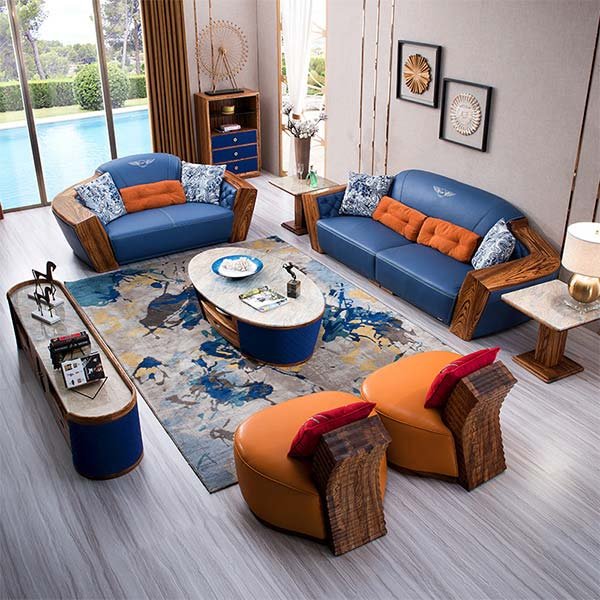
“Choose Wooden Furniture, Embrace Sustainability!”
Benefits of choosing wooden furniture for a sustainable lifestyle
Wooden furniture has been a popular choice for centuries, and for good reason. Not only does it add a touch of warmth and elegance to any space, but it also offers numerous benefits for those looking to live a sustainable lifestyle. In this article, we will explore the eco-friendliness of wooden furniture and shed light on why it is a sustainable choice.
One of the primary benefits of choosing wooden furniture is its renewable nature. Unlike other materials such as plastic or metal, wood is a natural resource that can be replenished. Trees can be grown and harvested sustainably, ensuring that the supply of wood is not depleted. This makes wooden furniture a more environmentally friendly option compared to furniture made from non-renewable materials.
In addition to being renewable, wooden furniture also has a lower carbon footprint compared to furniture made from other materials. The production of wooden furniture requires less energy and emits fewer greenhouse gases. This is because wood is a natural insulator, meaning it requires less energy to heat or cool compared to materials like metal or plastic. By choosing wooden furniture, you are reducing your carbon footprint and contributing to a healthier planet.
Furthermore, wooden furniture is often built to last. High-quality wooden furniture can withstand the test of time and can be passed down through generations. This longevity reduces the need for frequent replacements, which in turn reduces waste. By investing in wooden furniture, you are making a sustainable choice that will save you money in the long run.
Another advantage of wooden furniture is its versatility. Wood can be easily crafted into various shapes and designs, allowing for endless possibilities when it comes to furniture styles. Whether you prefer a modern, minimalist look or a more traditional, rustic feel, wooden furniture can be customized to suit your taste. This versatility ensures that your furniture will never go out of style, reducing the need for frequent updates and further contributing to sustainability.
Additionally, wooden furniture is biodegradable. When it reaches the end of its life cycle, it can be easily disposed of without causing harm to the environment. Unlike plastic or metal furniture, which can take hundreds of years to decompose, wooden furniture will naturally break down and return to the earth. This makes wooden furniture a more sustainable choice, as it does not contribute to the growing problem of waste accumulation.
In conclusion, choosing wooden furniture is a sustainable choice for several reasons. Its renewable nature, lower carbon footprint, longevity, versatility, and biodegradability all contribute to its eco-friendliness. By opting for wooden furniture, you are making a conscious decision to reduce your impact on the environment and live a more sustainable lifestyle. So, the next time you are in the market for furniture, consider the benefits of wooden furniture and make a choice that is both stylish and environmentally responsible.
How to identify eco-friendly wooden furniture options
Wooden furniture has long been a popular choice for homeowners due to its timeless beauty and durability. However, in recent years, there has been a growing concern about the environmental impact of furniture production. Many consumers are now seeking eco-friendly options when it comes to furnishing their homes. In this article, we will provide insights into how to identify eco-friendly wooden furniture options.
One of the first things to consider when looking for eco-friendly wooden furniture is the type of wood used. Sustainable woods, such as bamboo, reclaimed wood, and FSC-certified wood, are excellent choices. Bamboo is a fast-growing grass that can be harvested without causing any harm to the environment. Reclaimed wood is salvaged from old buildings or furniture, reducing the demand for new timber. FSC-certified wood comes from responsibly managed forests, ensuring that the trees are replanted and the ecosystem is protected.
Another important factor to consider is the manufacturing process. Look for furniture that is made using non-toxic finishes and adhesives. Traditional finishes, such as varnishes and lacquers, often contain harmful chemicals that can be released into the air over time. Opt for furniture that is finished with natural oils or water-based finishes, which are safer for both the environment and your health.
Additionally, consider the energy efficiency of the manufacturing process. Look for furniture that is produced using renewable energy sources, such as solar or wind power. This helps to reduce the carbon footprint associated with the production of wooden furniture.
When it comes to the design of eco-friendly wooden furniture, look for pieces that are built to last. High-quality craftsmanship and sturdy construction ensure that the furniture will withstand the test of time, reducing the need for frequent replacements. This not only saves you money in the long run but also reduces the amount of waste generated.
Furthermore, consider the transportation of the furniture. Opt for locally made furniture whenever possible to minimize the carbon emissions associated with long-distance shipping. Additionally, look for furniture that is packaged using eco-friendly materials, such as recycled cardboard or biodegradable packaging.
In order to make an informed decision, it is important to do your research. Look for furniture brands that prioritize sustainability and transparency. Check if they have certifications or memberships with organizations that promote eco-friendly practices, such as the Forest Stewardship Council or the Sustainable Furnishings Council. Read customer reviews and testimonials to get an idea of the brand’s commitment to sustainability.
In conclusion, identifying eco-friendly wooden furniture options requires considering the type of wood used, the manufacturing process, the design, and the transportation. Sustainable woods, non-toxic finishes, renewable energy sources, and locally made products are all indicators of eco-friendliness. By making conscious choices when furnishing your home, you can contribute to a more sustainable future while still enjoying the beauty and functionality of wooden furniture.
Tips for maintaining and prolonging the lifespan of wooden furniture
Wooden furniture is not only aesthetically pleasing but also a sustainable choice for your home. However, like any other type of furniture, it requires proper care and maintenance to ensure its longevity. In this article, we will provide you with some valuable tips on how to maintain and prolong the lifespan of your wooden furniture.
First and foremost, it is essential to keep your wooden furniture clean. Dust and dirt can accumulate on the surface, leading to scratches and dullness over time. Regularly dusting your furniture with a soft cloth or a feather duster will help prevent this. Additionally, you can use a mild wood cleaner to remove any stubborn stains or marks. Remember to always follow the manufacturer’s instructions when using cleaning products.
Another crucial aspect of maintaining wooden furniture is protecting it from moisture. Wood is susceptible to damage caused by excessive humidity or direct contact with water. To prevent this, avoid placing your furniture near windows or vents where it can be exposed to drafts or condensation. In case of spills, immediately wipe them off with a dry cloth to prevent the wood from absorbing moisture.
Furthermore, it is important to protect your wooden furniture from direct sunlight. Prolonged exposure to UV rays can cause the wood to fade and lose its natural beauty. Consider using curtains or blinds to shield your furniture from direct sunlight, especially during the peak hours of the day. If possible, rearrange your furniture periodically to ensure even exposure to sunlight.
In addition to regular cleaning and protection from moisture and sunlight, it is crucial to handle your wooden furniture with care. Avoid dragging or sliding heavy objects across the surface, as this can cause scratches or dents. Instead, use furniture pads or coasters to protect the wood from any potential damage. Similarly, be mindful of placing hot objects directly on the surface, as it can leave burn marks. Always use heat-resistant mats or trivets to protect your furniture.
Moreover, it is advisable to periodically apply a protective finish to your wooden furniture. This will not only enhance its appearance but also provide an extra layer of protection against wear and tear. There are various types of finishes available, such as varnish, lacquer, or wax. Choose the one that suits your furniture and follow the application instructions carefully.
Lastly, it is essential to regularly inspect your wooden furniture for any signs of damage or wear. Check for loose joints, cracks, or any other issues that may require immediate attention. Timely repairs can prevent further damage and extend the lifespan of your furniture.
In conclusion, maintaining and prolonging the lifespan of your wooden furniture requires regular cleaning, protection from moisture and sunlight, careful handling, and periodic application of protective finishes. By following these tips, you can ensure that your wooden furniture remains in excellent condition for years to come. Remember, investing in sustainable choices like wooden furniture not only benefits the environment but also adds a touch of elegance to your home.
Заключение
Заключение: Изучение экологической дружественности деревянной мебели позволяет получить ценные сведения о устойчивых выборах. Деревянная мебель является экологически дружественным вариантом, поскольку дерево является возобновляемым ресурсом и его производство обычно имеет меньший углеродный след. Однако, для обеспечения устойчивости, важно выбирать дерево из сертифицированных лесных хозяйств и предпочитать мебель с использованием натуральных отделочных материалов и без использования вредных химических веществ. Кроме того, продление срока службы деревянной мебели через ремонт и переработку также способствует ее экологической дружественности. В целом, правильный выбор деревянной мебели может быть одним из способов внести свой вклад в устойчивое будущее.