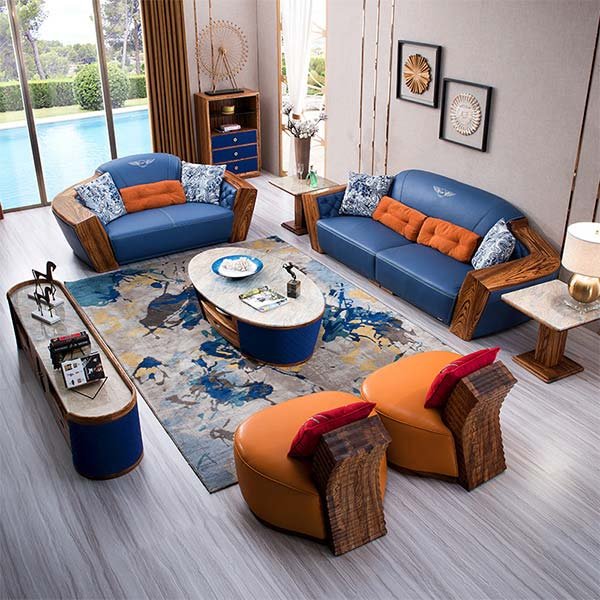
“Choosing the perfect wood for furniture: Unlocking the beauty of softwoods and the durability of hardwoods.”
Benefits of Softwoods for Furniture
Benefits of Softwoods for Furniture
Softwoods, as the name suggests, are woods that come from coniferous trees. They are known for their relatively softer texture compared to hardwoods. While hardwoods are often considered the go-to choice for furniture, softwoods have their own set of benefits that make them a viable option. In this article, we will explore the advantages of using softwoods for furniture.
One of the main benefits of softwoods is their affordability. Softwoods are generally less expensive than hardwoods, making them a budget-friendly option for those looking to furnish their homes without breaking the bank. This affordability factor makes softwoods a popular choice for individuals who are just starting out or are on a tight budget.
Another advantage of softwoods is their availability. Softwood trees, such as pine and cedar, are abundant and can be found in many regions around the world. This means that softwoods are readily available, making them easily accessible for furniture production. The availability of softwoods also contributes to their affordability, as the supply is plentiful.
Softwoods also have a unique aesthetic appeal. They often have a lighter color and a more natural grain pattern compared to hardwoods. This can give furniture made from softwoods a rustic and charming look. Softwoods are also easier to work with when it comes to carving intricate designs or creating decorative elements on furniture pieces.
In addition to their affordability and aesthetic appeal, softwoods are also known for their versatility. Softwoods can be easily shaped and molded, making them suitable for a wide range of furniture styles and designs. Whether you prefer a traditional or modern look, softwoods can be crafted to meet your specific requirements.
Furthermore, softwoods are generally lighter in weight compared to hardwoods. This makes furniture made from softwoods easier to move and rearrange. If you like to frequently change the layout of your living space or if you live in a small apartment where space is limited, softwood furniture can be a practical choice.
Softwoods also have good dimensional stability, meaning they are less prone to warping or shrinking when exposed to changes in temperature and humidity. This makes softwood furniture more durable and less likely to develop cracks or other structural issues over time.
Lastly, softwoods are often considered more environmentally friendly compared to hardwoods. Softwood trees tend to grow faster and can be harvested more sustainably. Choosing softwoods for furniture can help reduce the demand for hardwoods, which often come from slow-growing trees that take longer to regenerate.
In conclusion, softwoods offer several benefits for furniture production. They are affordable, readily available, and have a unique aesthetic appeal. Softwoods are versatile, lightweight, and dimensionally stable, making them a practical choice for various furniture styles. Additionally, using softwoods can contribute to a more sustainable approach to furniture manufacturing. When choosing between softwoods and hardwoods for furniture, it is important to consider your budget, design preferences, and the specific requirements of your living space.
Advantages of Hardwoods for Furniture
Advantages of Hardwoods for Furniture
When it comes to choosing the right type of wood for furniture, hardwoods have several advantages over softwoods. Hardwoods are known for their durability, strength, and beauty, making them a popular choice among furniture makers and consumers alike. In this article, we will explore the advantages of using hardwoods for furniture and why they are worth considering.
One of the main advantages of hardwoods is their durability. Hardwoods, such as oak, maple, and cherry, are known for their ability to withstand wear and tear. They are less prone to scratches, dents, and other damages compared to softwoods. This makes hardwood furniture a great investment, as it can last for generations with proper care and maintenance.
In addition to their durability, hardwoods are also known for their strength. Hardwoods have a dense and tight grain structure, which gives them superior strength and stability. This makes them ideal for furniture pieces that need to support heavy weight, such as dining tables or bookshelves. Hardwood furniture is less likely to warp or bend over time, ensuring that it remains sturdy and reliable.
Another advantage of hardwoods is their natural beauty. Hardwoods have a rich and attractive appearance that adds elegance and sophistication to any space. The natural grain patterns and colors of hardwoods vary, giving each piece of furniture a unique and timeless appeal. Hardwood furniture can be left unfinished to showcase its natural beauty or can be stained or painted to match any interior design style.
Furthermore, hardwoods are highly versatile when it comes to design options. They can be easily shaped and carved into intricate details, allowing furniture makers to create intricate and decorative pieces. Hardwoods can also be steam-bent to create curved or rounded shapes, adding a touch of elegance to furniture designs. Whether you prefer traditional or contemporary styles, hardwoods offer endless possibilities for creating furniture that suits your taste and preferences.
In terms of sustainability, hardwoods are a more environmentally friendly choice compared to softwoods. Hardwoods are typically sourced from slow-growing trees that are harvested responsibly. Many hardwood species are also known for their natural resistance to pests and decay, reducing the need for chemical treatments. By choosing hardwood furniture, you are supporting sustainable forestry practices and contributing to the preservation of our forests.
In conclusion, hardwoods offer numerous advantages for furniture making. Their durability, strength, natural beauty, and versatility make them a popular choice among furniture makers and consumers. Whether you are looking for a long-lasting investment or a statement piece for your home, hardwood furniture is a reliable and timeless option. Consider the advantages of hardwoods when choosing the right type of wood for your furniture, and enjoy the benefits it brings to your living space.
Factors to Consider When Choosing Between Softwoods and Hardwoods for Furniture
Factors to Consider When Choosing Between Softwoods and Hardwoods for Furniture
When it comes to choosing the right type of wood for furniture, one of the most important decisions you’ll have to make is whether to go for softwoods or hardwoods. Both options have their own unique characteristics and advantages, so it’s crucial to consider a few key factors before making your final decision.
First and foremost, you need to think about the durability and strength of the wood. Hardwoods, such as oak, mahogany, and walnut, are known for their exceptional strength and durability. They are less prone to dents and scratches, making them ideal for furniture that will be subjected to heavy use. Softwoods, on the other hand, like pine and cedar, are generally less dense and not as strong as hardwoods. While they may not be as durable, they can still be a good choice for furniture that won’t be heavily used or for those on a budget.
Another factor to consider is the appearance of the wood. Hardwoods are often favored for their beautiful grain patterns and rich colors. They have a natural elegance and can add a touch of sophistication to any piece of furniture. Softwoods, on the other hand, have a more rustic and natural look. They often have a lighter color and a more pronounced grain pattern, which can give furniture a warm and inviting feel. The choice between hardwoods and softwoods ultimately depends on the style and aesthetic you want to achieve in your furniture.
One important consideration is the availability and cost of the wood. Hardwoods are generally more expensive and can be harder to find, especially if you’re looking for exotic species. Softwoods, on the other hand, are more readily available and tend to be more affordable. If budget is a concern, softwoods may be the better option. However, it’s worth noting that some hardwoods, like oak, can be more cost-effective in the long run due to their durability and longevity.
The ease of working with the wood is another factor to take into account. Softwoods are generally easier to work with due to their lower density and softer nature. They are easier to cut, shape, and join, making them a popular choice for DIY enthusiasts and beginners. Hardwoods, on the other hand, can be more challenging to work with due to their density and hardness. They may require more specialized tools and techniques, so if you’re not experienced in woodworking, you may want to consider starting with softwoods.
Lastly, it’s important to consider the environmental impact of your choice. Hardwoods are often sourced from slow-growing trees, which can have a significant impact on deforestation and biodiversity. Softwoods, on the other hand, are usually sourced from fast-growing trees that can be sustainably harvested. If sustainability is a priority for you, opting for softwoods may be the more environmentally friendly choice.
In conclusion, choosing between softwoods and hardwoods for furniture involves considering factors such as durability, appearance, availability and cost, ease of working, and environmental impact. Both options have their own advantages and it ultimately comes down to personal preference and the specific requirements of your furniture project. By carefully weighing these factors, you can make an informed decision and create furniture that meets your needs and preferences.
Заключение
Заключение: При выборе между мягкой и твердой древесиной для мебели следует учитывать несколько факторов. Мягкая древесина, такая как сосна или ель, обычно более доступна и более экономична. Она также легче обрабатывается и имеет более равномерную текстуру. Однако она менее прочная и подвержена царапинам и вмятинам. Твердая древесина, такая как дуб или клен, обладает большей прочностью и долговечностью. Она также имеет богатую текстуру и может быть отделана различными оттенками. Однако твердая древесина обычно дороже и может быть труднее в обработке. В конечном счете, выбор между мягкой и твердой древесиной зависит от предпочтений стиля, бюджета и ожидаемого использования мебели.