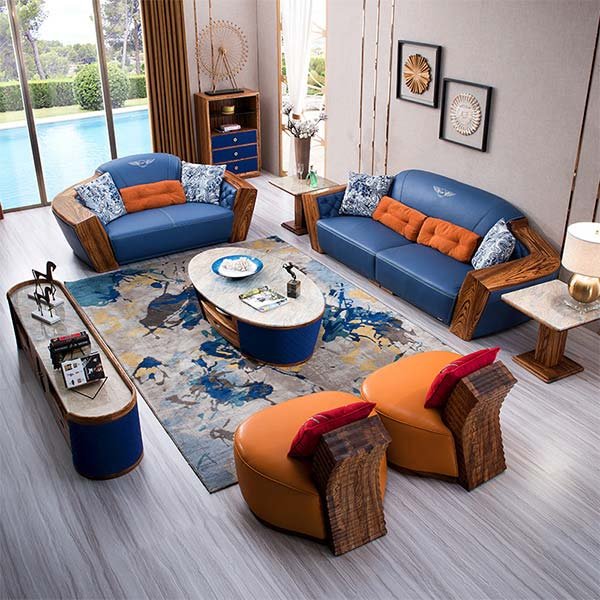
“Enhancing Indoor Air Quality with the Natural Beauty of Wooden Furniture”
Benefits of using wooden furniture for improving indoor air quality
Wooden furniture is not only aesthetically pleasing but also has several benefits when it comes to improving indoor air quality. In this article, we will explore the various advantages of using wooden furniture in your home or office.
One of the key benefits of wooden furniture is its ability to regulate humidity levels. Wood has a natural ability to absorb and release moisture, which helps to maintain a balanced humidity level in the room. This is particularly beneficial in areas with high humidity, as it can prevent the growth of mold and mildew.
Additionally, wooden furniture does not emit harmful chemicals or volatile organic compounds (VOCs) into the air. Unlike furniture made from synthetic materials or treated with chemicals, wooden furniture is a natural and safe option for indoor spaces. This is especially important for individuals with respiratory conditions or allergies, as it can help to reduce the risk of triggering symptoms.
Furthermore, wooden furniture is durable and long-lasting. Unlike furniture made from cheap materials, wooden furniture can withstand the test of time and retain its quality. This means that you won’t have to replace your furniture frequently, reducing waste and the need for production of new furniture.
Wooden furniture also has a positive impact on the environment. Wood is a renewable resource, and responsible sourcing and manufacturing practices can ensure that the production of wooden furniture is sustainable. By choosing wooden furniture, you are supporting the preservation of forests and reducing your carbon footprint.
In addition to its environmental benefits, wooden furniture can also improve the overall aesthetic of your space. Wood has a timeless and classic appeal that can complement any interior design style. Whether you prefer a rustic, modern, or traditional look, wooden furniture can effortlessly blend in and enhance the overall ambiance of the room.
Moreover, wooden furniture is versatile and can be easily customized to suit your preferences. Whether you prefer a natural wood finish or a painted look, wooden furniture can be easily stained or painted to match your desired color scheme. This allows you to personalize your space and create a unique and inviting atmosphere.
Lastly, wooden furniture is relatively low maintenance. Unlike furniture made from other materials, wooden furniture can be easily cleaned and maintained with simple dusting and occasional polishing. This makes it a practical choice for busy individuals or families who want furniture that is easy to care for.
In conclusion, wooden furniture offers numerous benefits when it comes to improving indoor air quality. Its ability to regulate humidity levels, lack of harmful emissions, durability, environmental impact, aesthetic appeal, versatility, and low maintenance make it an excellent choice for any indoor space. By choosing wooden furniture, you can create a healthier and more inviting environment for yourself and your loved ones.
Common pollutants found in indoor air and how wooden furniture can help reduce them
Wooden furniture is a common feature in many households, adding warmth and beauty to our living spaces. However, did you know that wooden furniture can also have a positive impact on indoor air quality? In this article, we will explore the common pollutants found in indoor air and how wooden furniture can help reduce them.
Indoor air pollution is a growing concern, as we spend a significant amount of time indoors. Common pollutants found in indoor air include volatile organic compounds (VOCs), formaldehyde, and particulate matter. VOCs are emitted from various sources such as cleaning products, paints, and furniture. Formaldehyde is a colorless gas that can be released from building materials and furniture. Particulate matter consists of tiny particles suspended in the air, which can come from sources like cooking, smoking, and outdoor pollution.
Wooden furniture can help reduce indoor air pollutants in several ways. Firstly, solid wood furniture, such as tables and chairs, does not emit VOCs or formaldehyde. This is because solid wood is a natural material that does not contain harmful chemicals. By choosing solid wood furniture, you can minimize the introduction of these pollutants into your indoor environment.
Additionally, wooden furniture can act as a sink for VOCs. This means that the wood absorbs and retains VOCs, preventing them from circulating in the air. Over time, the VOCs are gradually released from the wood, reducing their concentration in the indoor air. This natural process helps to improve indoor air quality and create a healthier living environment.
Furthermore, wooden furniture can help reduce particulate matter in indoor air. The surfaces of wooden furniture can trap and hold particles, preventing them from becoming airborne. Regular dusting and cleaning of wooden furniture can remove these trapped particles, improving the overall air quality in your home.
It is important to note that the quality of wooden furniture can vary. Some furniture may be made from composite wood products, which can emit formaldehyde and other VOCs. To ensure that you are choosing furniture that is safe for indoor air quality, look for furniture that is certified as low in VOC emissions. This certification ensures that the furniture meets strict standards for indoor air quality.
In conclusion, wooden furniture can have a positive impact on indoor air quality. It does not emit VOCs or formaldehyde and can act as a sink for these pollutants. Additionally, wooden furniture can trap and hold particulate matter, improving overall air quality. When choosing wooden furniture, opt for solid wood and look for certifications that guarantee low VOC emissions. By incorporating wooden furniture into your home, you can create a healthier and more comfortable living environment for you and your family.
Tips for choosing and maintaining wooden furniture to ensure optimal indoor air quality
Wooden furniture is a popular choice for many homeowners due to its timeless appeal and durability. However, did you know that the type of wood used in your furniture can have an impact on the indoor air quality of your home? In this article, we will explore the insights you should know about how wooden furniture affects indoor air quality. We will also provide tips for choosing and maintaining wooden furniture to ensure optimal indoor air quality.
When it comes to wooden furniture, the type of wood used plays a significant role in determining its impact on indoor air quality. Some types of wood, such as particleboard and plywood, are known to release volatile organic compounds (VOCs) into the air. These VOCs can contribute to poor indoor air quality and may cause health issues such as respiratory problems and allergies.
To ensure optimal indoor air quality, it is important to choose furniture made from solid wood or low-emission wood products. Solid wood furniture is made from natural, solid pieces of wood and does not contain any added chemicals or glues. Low-emission wood products, on the other hand, are made from wood that has been treated to reduce the release of VOCs.
When selecting wooden furniture, look for labels or certifications that indicate low VOC emissions. The Forest Stewardship Council (FSC) certification, for example, ensures that the wood used in the furniture comes from responsibly managed forests. Additionally, furniture that meets the Indoor Advantage Gold certification has been tested for low VOC emissions and is a good choice for maintaining indoor air quality.
Once you have chosen wooden furniture that promotes good indoor air quality, it is important to maintain it properly. Regular cleaning and dusting can help remove any dust or allergens that may have settled on the furniture. Avoid using harsh chemical cleaners, as they can introduce additional VOCs into the air. Instead, opt for natural cleaning solutions such as vinegar and water.
In addition to cleaning, it is important to keep wooden furniture away from sources of moisture. Moisture can cause wood to warp or develop mold, which can negatively impact indoor air quality. Use coasters or placemats to protect wooden surfaces from spills, and ensure that the furniture is placed in a well-ventilated area to prevent moisture buildup.
Another tip for maintaining wooden furniture and indoor air quality is to avoid placing it near sources of heat or direct sunlight. Heat can cause wood to dry out and release VOCs, while sunlight can fade and damage the furniture. Consider using curtains or blinds to protect wooden furniture from direct sunlight, and use humidifiers or dehumidifiers to maintain optimal humidity levels in your home.
In conclusion, the type of wood used in your furniture can have a significant impact on indoor air quality. Choosing furniture made from solid wood or low-emission wood products can help minimize the release of VOCs and promote good indoor air quality. Regular cleaning, proper maintenance, and avoiding exposure to moisture and heat are also essential for ensuring optimal indoor air quality. By following these tips, you can enjoy the beauty and functionality of wooden furniture without compromising the air you breathe.
Заключение
Заключение: Деревянная мебель оказывает влияние на качество воздуха в помещении. Она является натуральным материалом, который не выделяет вредных химических веществ, таких как формальдегид. Кроме того, дерево способно поглощать и удерживать влагу, что помогает поддерживать оптимальный уровень влажности в помещении. Однако, при использовании деревянной мебели следует учитывать возможность использования лаков, красок или клеев, которые могут содержать вредные вещества. Поэтому важно выбирать мебель с использованием экологически чистых материалов и отдавать предпочтение натуральной отделке.