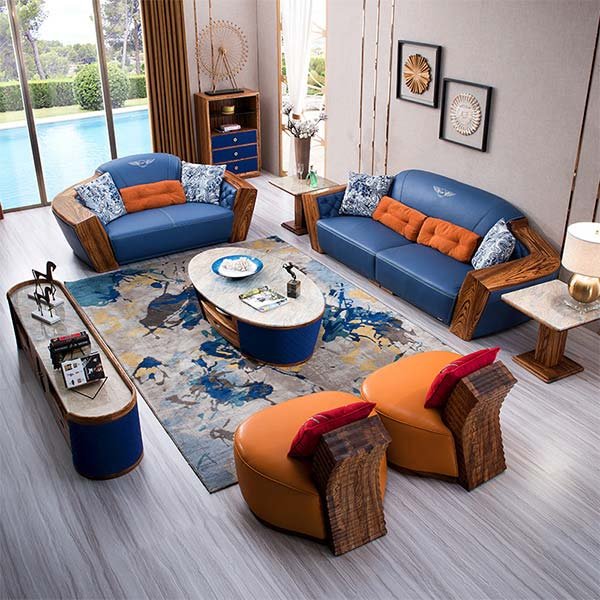
“From Ancient Craftsmanship to Contemporary Elegance: Embrace the Timeless Evolution of Wooden Furniture.”
The Influence of Ancient Civilizations on Wooden Furniture Design
The Influence of Ancient Civilizations on Wooden Furniture Design
Wooden furniture has been an integral part of human civilization for centuries. From the earliest civilizations to the modern day, the design and craftsmanship of wooden furniture have evolved significantly. In this article, we will explore the influence of ancient civilizations on wooden furniture design, shedding light on the rich history and cultural significance behind these timeless pieces.
Ancient Egypt, known for its grandeur and opulence, played a crucial role in shaping the design of wooden furniture. The Egyptians were skilled craftsmen who used wood as their primary material for furniture. They believed that furniture should not only be functional but also aesthetically pleasing. As a result, Egyptian furniture was often adorned with intricate carvings and inlays, depicting scenes from daily life and mythology. The use of luxurious materials such as ebony and ivory further added to the grandeur of these pieces.
Moving on to ancient Greece, we find a different approach to wooden furniture design. The Greeks valued simplicity and harmony in their furniture. They believed that furniture should be practical and comfortable, without compromising on elegance. Greek furniture was characterized by clean lines, geometric shapes, and minimal ornamentation. The use of marble and bronze in combination with wood added a touch of sophistication to their designs.
The influence of ancient Rome on wooden furniture design cannot be overlooked. Roman furniture was heavily influenced by both Greek and Egyptian styles. However, the Romans added their own unique touch to it. They were known for their innovative use of materials such as metal and glass, which were incorporated into wooden furniture. Roman furniture was often larger in scale and more ornate compared to Greek furniture, reflecting the grandeur of the Roman Empire.
Moving further east, we come across the influence of ancient China on wooden furniture design. Chinese furniture is renowned for its exquisite craftsmanship and attention to detail. The Chinese believed in the concept of “feng shui,” which emphasizes the balance and harmony between humans and their environment. This philosophy is reflected in the design of Chinese furniture, which often features intricate joinery techniques and delicate carvings. The use of lacquer, a traditional Chinese technique, added a glossy finish to the furniture, enhancing its beauty.
As we fast forward to the modern day, we can see the lasting impact of these ancient civilizations on wooden furniture design. Many contemporary furniture designers draw inspiration from the past, incorporating elements of ancient styles into their creations. The clean lines of Greek furniture, the intricate carvings of Egyptian furniture, and the delicate joinery of Chinese furniture can still be seen in modern designs.
In conclusion, the influence of ancient civilizations on wooden furniture design is undeniable. From the grandeur of ancient Egypt to the simplicity of ancient Greece, each civilization has left its mark on the evolution of wooden furniture. The craftsmanship and design principles developed by these ancient cultures continue to inspire furniture designers to this day. By understanding the rich history and cultural significance behind wooden furniture, we can truly appreciate the beauty and craftsmanship of these timeless pieces.
The Evolution of Woodworking Techniques in Furniture Making
The Evolution of Wooden Furniture: Insights from History to Modern Day
Wooden furniture has been an integral part of human civilization for centuries. From the earliest civilizations to the modern era, the art of woodworking has evolved significantly, leading to the creation of exquisite and functional pieces of furniture. In this article, we will explore the evolution of woodworking techniques in furniture making, highlighting the key milestones that have shaped the industry.
The origins of woodworking can be traced back to ancient civilizations such as Egypt, Mesopotamia, and China. These early civilizations used primitive tools like stone axes and chisels to shape wood into functional objects. However, it was during the Renaissance period that woodworking techniques began to flourish.
During the Renaissance, woodworking became an art form, with craftsmen using more sophisticated tools and techniques to create intricate designs. The invention of the lathe revolutionized furniture making, allowing craftsmen to turn wood into symmetrical shapes. This led to the creation of ornate furniture pieces adorned with intricate carvings and inlays.
In the 18th century, the Industrial Revolution brought about significant changes in woodworking techniques. With the introduction of steam-powered machinery, furniture production became faster and more efficient. Mass production techniques were employed, leading to the creation of affordable furniture for the growing middle class.
The 19th century saw the rise of the Arts and Crafts movement, which emphasized the importance of craftsmanship and the use of natural materials. This movement led to a revival of traditional woodworking techniques, with craftsmen focusing on handcrafted furniture made from solid wood. The emphasis was on simplicity and functionality, with clean lines and minimal ornamentation.
In the 20th century, advancements in technology revolutionized woodworking techniques once again. The introduction of power tools such as electric saws and routers made it easier for craftsmen to shape and join wood. Additionally, the use of synthetic materials like plywood and particleboard became more prevalent, offering greater flexibility and affordability in furniture production.
Today, woodworking techniques continue to evolve with the advent of computer-aided design (CAD) and computer numerical control (CNC) machines. These technologies allow craftsmen to create intricate designs with precision and efficiency. Moreover, the focus on sustainability has led to the use of reclaimed wood and eco-friendly finishes in furniture making.
In conclusion, the evolution of woodworking techniques in furniture making has been a fascinating journey. From the primitive tools of ancient civilizations to the sophisticated machinery of the modern era, craftsmen have continuously pushed the boundaries of what is possible with wood. The art of woodworking has not only provided us with functional pieces of furniture but also with works of art that showcase the skill and creativity of the craftsmen. As we look to the future, it is exciting to see how woodworking techniques will continue to evolve and shape the furniture industry.
Contemporary Trends in Wooden Furniture Design
Contemporary Trends in Wooden Furniture Design
Wooden furniture has been a staple in homes for centuries, and its popularity continues to grow. From traditional to modern designs, wooden furniture has evolved over time to meet the changing needs and preferences of consumers. In this article, we will explore the contemporary trends in wooden furniture design, providing insights into how this timeless material is being used in innovative ways.
One of the most prominent trends in wooden furniture design is the use of sustainable materials. With increasing awareness of environmental issues, consumers are seeking furniture that is made from responsibly sourced wood. Designers are responding to this demand by using reclaimed wood or opting for certified sustainable wood. This not only reduces the environmental impact but also adds a unique character to the furniture, as each piece carries its own history.
Another trend in contemporary wooden furniture design is the incorporation of modern technology. With the advancement of technology, designers are able to create furniture that seamlessly integrates with our digital lives. For example, some wooden tables now come with built-in wireless charging pads, allowing users to conveniently charge their devices without the need for messy cables. This fusion of traditional craftsmanship with modern functionality is a testament to the adaptability of wooden furniture.
In terms of aesthetics, minimalism is a prevailing trend in contemporary wooden furniture design. Clean lines, simple forms, and neutral colors are favored, creating a sense of calm and serenity in living spaces. This minimalist approach allows the natural beauty of the wood to take center stage, showcasing its unique grain patterns and textures. Additionally, the use of light-colored wood, such as oak or birch, adds a touch of warmth and elegance to any room.
Another popular trend in wooden furniture design is the combination of wood with other materials. Designers are experimenting with different textures and finishes, such as metal accents or glass tabletops, to create visually striking pieces. This juxtaposition of materials adds depth and interest to the furniture, making it a focal point in any interior design scheme. By blending wood with other materials, designers are able to push the boundaries of traditional wooden furniture and create truly innovative pieces.
Lastly, customization is becoming increasingly important in contemporary wooden furniture design. Consumers are seeking furniture that reflects their individuality and personal style. Designers are responding to this demand by offering customizable options, allowing customers to choose the type of wood, finish, and even the dimensions of their furniture. This level of personalization ensures that each piece is unique and tailored to the customer’s specific needs and preferences.
In conclusion, contemporary trends in wooden furniture design are a reflection of our changing lifestyles and values. From sustainable materials to modern technology integration, designers are constantly pushing the boundaries of what wooden furniture can be. The minimalist aesthetic, the combination of materials, and the emphasis on customization all contribute to the evolution of wooden furniture in the modern day. As we continue to appreciate the beauty and versatility of wood, it is exciting to see how designers will continue to innovate and create furniture that meets the needs of the ever-changing world.
Заключение
Заключение: Изучение эволюции деревянной мебели от исторических времен до современности позволяет нам понять, как она развивалась и приспосабливалась к изменяющимся потребностям и вкусам людей. Исторические примеры показывают, что деревянная мебель была неотъемлемой частью жизни различных культур и эпох, отражая их стиль и технологические возможности. Сегодняшняя деревянная мебель сочетает в себе традиционные элементы и современный дизайн, используя новые материалы и технологии. Это подчеркивает ее универсальность и актуальность в современном мире, где она продолжает быть популярным выбором для создания комфортного и стильного интерьера.