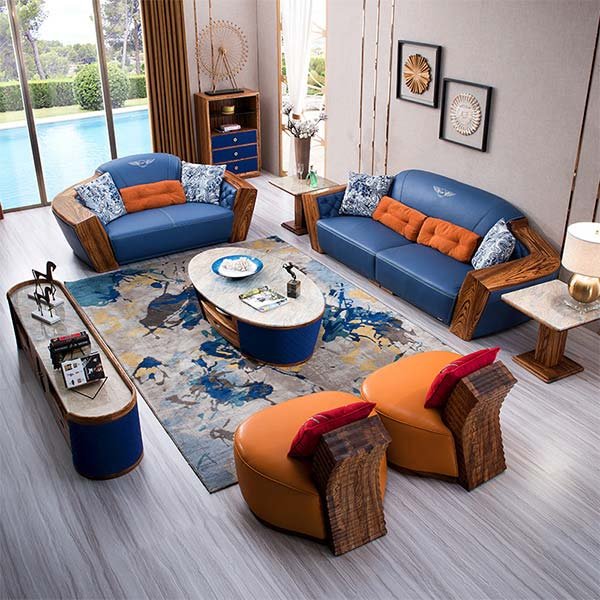
“Creating Comfort, Preserving the Planet: Sofa Manufacturers Embrace Eco-Friendly Furniture”
Sustainable sourcing of materials for sofa manufacturing
Sustainable sourcing of materials for sofa manufacturing
In recent years, there has been a growing demand for eco-friendly furniture, including sofas. As consumers become more conscious of the environmental impact of their purchases, they are seeking out products that are made from sustainable materials. Sofa manufacturers have recognized this trend and are responding by sourcing materials in a more environmentally responsible way.
One of the key aspects of sustainable sourcing for sofa manufacturing is the use of renewable materials. Traditionally, sofas have been made from materials such as wood, leather, and synthetic fabrics, which can have a significant environmental impact. However, manufacturers are now turning to more sustainable alternatives.
One such alternative is the use of certified sustainable wood. This means that the wood used in the manufacturing process comes from responsibly managed forests, where trees are replanted to ensure a continuous supply. By using certified sustainable wood, sofa manufacturers can help to reduce deforestation and promote the conservation of natural resources.
Another material that is gaining popularity in sustainable sofa manufacturing is recycled or reclaimed wood. This involves using wood that has been salvaged from old furniture, buildings, or other sources, rather than cutting down new trees. By repurposing this wood, manufacturers can reduce waste and minimize the need for new materials.
In addition to wood, sofa manufacturers are also exploring alternative materials for upholstery. Traditional upholstery fabrics are often made from synthetic fibers, which are derived from non-renewable resources and can take a long time to decompose. However, there are now eco-friendly alternatives available.
One such alternative is organic cotton. Organic cotton is grown without the use of synthetic pesticides or fertilizers, making it a more sustainable choice. Additionally, it is biodegradable, meaning that it will break down naturally over time, reducing its impact on the environment.
Another option for eco-friendly upholstery is recycled polyester. This involves using polyester fibers that have been made from recycled plastic bottles. By repurposing these bottles, manufacturers can help to reduce the amount of plastic waste that ends up in landfills or oceans.
In order to ensure the sustainability of their sourcing practices, many sofa manufacturers are also implementing strict supply chain management systems. This involves working closely with suppliers to ensure that materials are sourced ethically and responsibly. It may also involve conducting regular audits to ensure compliance with environmental standards.
Overall, the demand for eco-friendly furniture, including sofas, is driving sofa manufacturers to rethink their sourcing practices. By using renewable materials, such as certified sustainable wood and recycled fabrics, manufacturers can reduce their environmental impact and meet the growing demand for sustainable products. Additionally, implementing strict supply chain management systems can help to ensure the sustainability of these practices in the long term.
As consumers continue to prioritize sustainability in their purchasing decisions, it is likely that the demand for eco-friendly furniture will only continue to grow. Sofa manufacturers that are able to adapt to this demand and embrace sustainable sourcing practices will be well-positioned to thrive in the evolving market.
Implementation of eco-friendly production processes
Implementation of eco-friendly production processes
In recent years, there has been a growing demand for eco-friendly furniture as consumers become more conscious of the environmental impact of their purchases. Sofa manufacturers have recognized this trend and are now implementing various eco-friendly production processes to meet the demand. This article will explore how sofa manufacturers are responding to the demand for eco-friendly furniture by implementing sustainable practices in their production processes.
One of the key ways sofa manufacturers are implementing eco-friendly production processes is by using sustainable materials. Traditionally, sofas were made using materials such as leather and synthetic fabrics that had a significant environmental impact. However, manufacturers are now opting for materials that are more sustainable, such as organic cotton, hemp, and recycled fabrics. These materials are not only better for the environment but also provide a healthier option for consumers, as they are free from harmful chemicals and toxins.
In addition to using sustainable materials, sofa manufacturers are also focusing on reducing waste in their production processes. This includes implementing recycling programs within their factories to ensure that any waste generated during the manufacturing process is properly disposed of or reused. By recycling materials such as foam, wood, and metal, manufacturers are able to minimize their environmental footprint and contribute to a more sustainable industry.
Furthermore, sofa manufacturers are investing in energy-efficient technologies to reduce their energy consumption. This includes using energy-efficient machinery and equipment, as well as implementing energy-saving practices throughout the production process. By reducing their energy consumption, manufacturers not only lower their carbon emissions but also save on energy costs, making their operations more economically sustainable.
Another important aspect of eco-friendly production processes is the reduction of harmful chemicals and toxins. Sofa manufacturers are now opting for water-based adhesives and dyes, which are less harmful to the environment and human health compared to traditional solvent-based alternatives. Additionally, manufacturers are implementing stricter quality control measures to ensure that their products meet stringent environmental and safety standards.
Moreover, sofa manufacturers are also taking steps to reduce their carbon footprint by optimizing their transportation and logistics processes. This includes using more fuel-efficient vehicles for transportation and implementing efficient route planning to minimize the distance traveled. By reducing the carbon emissions associated with transportation, manufacturers are able to contribute to a greener supply chain and reduce their overall environmental impact.
In conclusion, sofa manufacturers are responding to the demand for eco-friendly furniture by implementing sustainable practices in their production processes. This includes using sustainable materials, reducing waste, investing in energy-efficient technologies, minimizing the use of harmful chemicals, and optimizing transportation and logistics. By adopting these eco-friendly production processes, sofa manufacturers are not only meeting the demand for eco-friendly furniture but also contributing to a more sustainable and environmentally conscious industry. As consumers continue to prioritize sustainability in their purchasing decisions, it is crucial for sofa manufacturers to continue implementing these practices to meet the evolving demands of the market.
Introduction of innovative recycling and upcycling techniques in sofa manufacturing
Introduction of innovative recycling and upcycling techniques in sofa manufacturing
In recent years, there has been a growing demand for eco-friendly furniture as people become more conscious of the environmental impact of their purchasing decisions. One area where this demand is particularly evident is in the manufacturing of sofas. Sofa manufacturers are now responding to this demand by introducing innovative recycling and upcycling techniques in their production processes.
Recycling and upcycling are two methods that aim to reduce waste and minimize the use of new resources. Recycling involves breaking down materials and reusing them to create new products, while upcycling involves transforming old or discarded items into something of higher value. These techniques not only help to reduce the amount of waste sent to landfills but also conserve energy and natural resources.
One way sofa manufacturers are incorporating recycling into their production processes is by using recycled materials. Instead of using new materials, manufacturers are sourcing materials from recycled sources such as plastic bottles, old textiles, and reclaimed wood. These materials are then processed and transformed into high-quality sofa components. By using recycled materials, manufacturers are able to reduce the demand for new resources and minimize the environmental impact of their products.
Another innovative technique being introduced by sofa manufacturers is upcycling. Instead of discarding old or damaged sofas, manufacturers are finding ways to transform them into new and improved pieces. This can involve reupholstering the sofa with new fabric, replacing worn-out cushions, or even repurposing the sofa into a completely different piece of furniture. By upcycling old sofas, manufacturers are able to extend their lifespan and reduce the amount of waste generated.
In addition to recycling and upcycling, sofa manufacturers are also implementing other eco-friendly practices in their production processes. For example, many manufacturers are now using water-based adhesives and finishes instead of traditional solvent-based ones. Water-based products are not only safer for the environment but also for the workers who handle them. Furthermore, manufacturers are also investing in energy-efficient machinery and production methods to reduce their carbon footprint.
The introduction of these innovative recycling and upcycling techniques in sofa manufacturing is not only beneficial for the environment but also for consumers. Eco-friendly sofas are often made with high-quality materials and craftsmanship, resulting in durable and long-lasting products. Additionally, these sofas are free from harmful chemicals and toxins, making them a healthier choice for households.
As the demand for eco-friendly furniture continues to grow, it is encouraging to see sofa manufacturers taking steps to meet this demand. By incorporating recycling and upcycling techniques into their production processes, manufacturers are not only reducing waste but also creating sustainable and environmentally friendly products. This shift towards eco-friendly manufacturing practices is a positive step towards a more sustainable future.
In conclusion, the introduction of innovative recycling and upcycling techniques in sofa manufacturing is a response to the increasing demand for eco-friendly furniture. By using recycled materials, upcycling old sofas, and implementing other eco-friendly practices, manufacturers are able to reduce waste, conserve resources, and create sustainable products. This shift towards eco-friendly manufacturing practices benefits both the environment and consumers, making it a win-win situation for all.
Заключение
Заключение: Производители диванов реагируют на спрос на экологически чистую мебель, предлагая более устойчивые и экологически дружественные материалы для изготовления своих изделий. Они также внедряют новые технологии и процессы производства, чтобы уменьшить негативное воздействие на окружающую среду. Это включает использование переработанных материалов, уменьшение выбросов и энергопотребления, а также улучшение утилизации и переработки отходов. В целом, производители диванов активно работают над созданием экологически устойчивых вариантов мебели, чтобы удовлетворить растущий спрос на такие продукты.