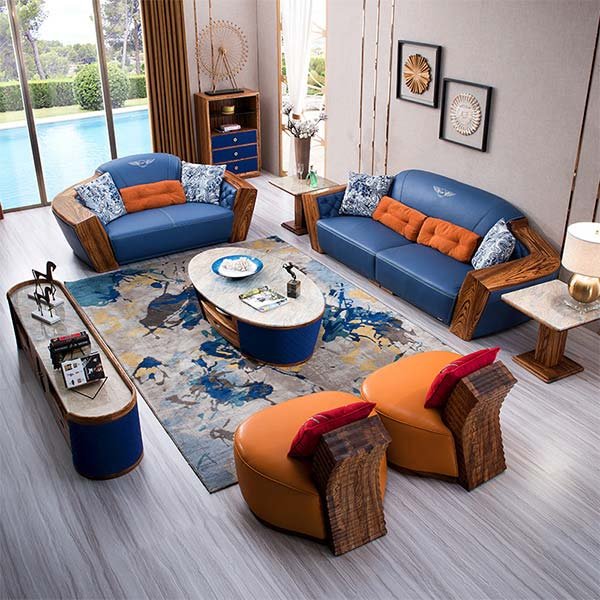
“Timeless elegance crafted in wood.”
The Evolution of Wooden Chair Designs: From Ancient Times to Modern Classics
The Evolution of Wooden Chair Designs: From Ancient Times to Modern Classics
Wooden chairs have been an integral part of human history for centuries. From ancient times to modern classics, the design and functionality of these chairs have evolved significantly. In this article, we will explore the famous wooden chair designs that have left a lasting impact on the world of furniture.
One of the earliest known wooden chair designs can be traced back to ancient Egypt. The Egyptians were known for their intricate craftsmanship, and their chairs were no exception. These chairs were often made from ebony or cedar wood and featured ornate carvings and inlays. They were reserved for the pharaohs and other high-ranking officials, symbolizing power and authority.
Moving forward in time, we come across the iconic Windsor chair. Originating in England during the 18th century, this chair is characterized by its spindle back and splayed legs. The Windsor chair was a popular choice among the middle class due to its affordability and practicality. Its simple yet elegant design made it a staple in many households.
As we enter the 20th century, we witness the rise of modernism and the birth of iconic chair designs. One such design is the Thonet chair, created by Michael Thonet in the mid-19th century. This chair revolutionized the furniture industry with its innovative use of bentwood. The Thonet chair’s lightweight and durable construction made it a favorite among cafes and restaurants, and it continues to be a timeless classic today.
Another influential design from the 20th century is the Eames Lounge Chair. Designed by Charles and Ray Eames in 1956, this chair is a perfect blend of comfort and style. Its molded plywood shell and luxurious leather upholstery set a new standard for modern seating. The Eames Lounge Chair has become an icon of mid-century design and is still highly sought after by collectors and enthusiasts.
In recent years, there has been a resurgence of interest in traditional craftsmanship and sustainable materials. This has led to the popularity of Scandinavian-inspired wooden chair designs. These chairs often feature clean lines, natural finishes, and ergonomic shapes. They embody the principles of simplicity and functionality, making them a perfect fit for modern interiors.
In conclusion, the evolution of wooden chair designs has been a fascinating journey through history. From the ornate chairs of ancient Egypt to the iconic designs of the 20th century, wooden chairs have always been a symbol of style and functionality. Whether it’s the Windsor chair, the Thonet chair, or the Eames Lounge Chair, each design has left its mark on the world of furniture. As we continue to appreciate the beauty and craftsmanship of wooden chairs, it’s clear that they will remain timeless classics for generations to come.
Iconic Wooden Chairs: Exploring the Stories Behind Famous Designs
Iconic Wooden Chairs: Exploring the Stories Behind Famous Designs
Wooden chairs have been an integral part of furniture design for centuries. They not only provide a functional seating solution but also serve as a reflection of the era in which they were created. Throughout history, there have been several famous wooden chair designs that have stood the test of time. Let’s explore the stories behind these iconic chairs.
One of the most well-known wooden chair designs is the Windsor chair. Originating in England in the early 18th century, the Windsor chair is characterized by its solid wooden seat and spindle back. It was named after the town of Windsor, where it was first produced. The Windsor chair gained popularity due to its simplicity and durability, making it a staple in many households.
Moving on to the 20th century, we come across the iconic Eames Lounge Chair. Designed by Charles and Ray Eames in 1956, this chair is a true symbol of mid-century modern design. The Eames Lounge Chair features a molded plywood shell, leather upholstery, and a sleek, ergonomic design. It quickly became a status symbol and is still highly sought after today.
Another famous wooden chair design is the Thonet No. 14, also known as the bistro chair. Designed by Michael Thonet in the mid-19th century, this chair revolutionized furniture production with its innovative bentwood technique. The Thonet No. 14 is lightweight, durable, and stackable, making it a popular choice for cafes and restaurants around the world.
Moving further back in time, we encounter the Shaker chair. The Shakers, a religious sect in 18th century America, believed in simplicity and functionality. Their chairs reflected these principles, with their clean lines and minimalistic design. The Shaker chair is known for its ladder-back construction and woven seat, which was often made from rush or cane. These chairs are still admired for their timeless design and craftsmanship.
One more iconic wooden chair design is the Barcelona chair. Created by Ludwig Mies van der Rohe and Lilly Reich for the German Pavilion at the 1929 International Exposition in Barcelona, this chair is a true masterpiece of modern design. The Barcelona chair features a stainless steel frame and leather upholstery, exuding elegance and sophistication. It has become synonymous with luxury and is often seen in upscale homes and offices.
In conclusion, wooden chairs have played a significant role in furniture design throughout history. From the Windsor chair to the Eames Lounge Chair, each iconic design tells a unique story and represents a specific era. These chairs have not only provided comfort and functionality but have also become symbols of style and innovation. Whether it’s the simplicity of the Shaker chair or the sleekness of the Barcelona chair, these wooden designs continue to inspire and captivate us today.
Timeless Elegance: Celebrating the Beauty of Wooden Chairs in Design History
Wooden chairs have been a staple in interior design for centuries, and their timeless elegance continues to captivate designers and homeowners alike. From classic designs to innovative creations, wooden chairs have played a significant role in shaping the history of furniture design. In this article, we will explore some of the most famous wooden chair designs throughout history, celebrating their beauty and enduring appeal.
One of the earliest and most iconic wooden chair designs is the Windsor chair. Originating in England in the early 18th century, the Windsor chair is characterized by its solid wood construction and distinctive spindle back. This design has stood the test of time and remains a popular choice for both traditional and contemporary interiors.
Moving forward in time, we come across the iconic Thonet chair. Designed by Michael Thonet in the mid-19th century, this chair revolutionized furniture production with its innovative use of bentwood. The Thonet chair’s graceful curves and lightweight construction made it a favorite among designers and architects of the time. Its timeless design continues to inspire modern interpretations to this day.
In the early 20th century, the Danish designer Hans Wegner introduced the world to his iconic Wishbone chair. With its sculptural form and organic materials, the Wishbone chair exemplifies the Danish design philosophy of simplicity and functionality. Its elegant lines and comfortable seating make it a beloved choice for both residential and commercial spaces.
Moving into the mid-20th century, we encounter the Eames Lounge Chair and Ottoman. Designed by Charles and Ray Eames, this iconic chair is a true symbol of mid-century modern design. Its combination of molded plywood, leather upholstery, and sleek lines create a harmonious balance between comfort and style. The Eames Lounge Chair and Ottoman have become synonymous with luxury and sophistication.
Continuing our journey through time, we arrive at the present day, where contemporary designers continue to push the boundaries of wooden chair design. One notable example is the Panton Chair, designed by Verner Panton in the 1960s. Made from a single piece of molded plywood, the Panton Chair showcases the possibilities of modern manufacturing techniques. Its fluid form and vibrant colors make it a statement piece in any interior.
Another contemporary design that deserves recognition is the Ghost Chair by Philippe Starck. Made from transparent polycarbonate, the Ghost Chair challenges traditional notions of materiality and transparency. Its ethereal appearance and versatility have made it a favorite among interior designers seeking to create a sense of lightness and openness in their spaces.
In conclusion, wooden chairs have played a significant role in the history of furniture design. From the classic Windsor chair to the innovative Ghost Chair, these designs showcase the enduring appeal and timeless elegance of wooden chairs. Whether in traditional or contemporary settings, wooden chairs continue to captivate with their beauty and functionality. As we celebrate the rich history of wooden chair design, we can appreciate the craftsmanship and creativity that have shaped the world of interior design.
Заключение
Заключение: Знаменитые дизайны деревянных стульев, представленные на протяжении истории, являются важными примерами мастерства и инноваций в мебельном дизайне. От классических моделей, таких как “Виндзорский стул” и “Тонет-14”, до современных искусственных деревянных стульев, таких как “Эймс Лаунж Чейр”, эти дизайны продолжают вдохновлять и восхищать своей элегантностью, функциональностью и уникальностью. Деревянные стулья остаются популярными и востребованными в современном мире благодаря своей прочности, натуральной красоте и возможности адаптироваться к различным стилям интерьера. Они являются не только предметами мебели, но и произведениями искусства, которые продолжают вдохновлять дизайнеров и ценителей мебели по всему миру.