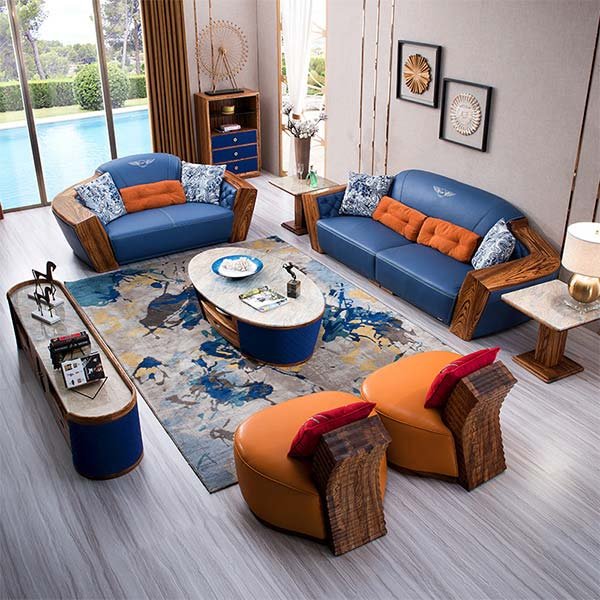
“Solid Wood: Timeless Beauty. Engineered Wood: Modern Versatility.”
Benefits of Solid Wood Chairs
Benefits of Solid Wood Chairs
Solid wood chairs have been a popular choice for centuries due to their durability, beauty, and timeless appeal. Unlike engineered wood chairs, which are made from a combination of wood fibers and adhesives, solid wood chairs are crafted from a single piece of wood. This results in a chair that is not only sturdy but also has a unique character and natural beauty.
One of the main benefits of solid wood chairs is their longevity. Unlike chairs made from engineered wood, which may have a limited lifespan, solid wood chairs can last for generations with proper care. This is because solid wood is inherently strong and resistant to wear and tear. It can withstand heavy use and is less likely to break or become damaged over time.
In addition to their durability, solid wood chairs also offer a sense of warmth and authenticity to any space. The natural grain patterns and variations in color give each chair a unique and individual character. This adds a touch of elegance and sophistication to any room, whether it be a dining room, living room, or office.
Another advantage of solid wood chairs is their ability to be refinished. Over time, chairs may become scratched or worn, but with solid wood, these imperfections can be easily repaired. By sanding down the surface and applying a fresh coat of finish, the chair can be restored to its original beauty. This is not possible with engineered wood chairs, as the outer layer is often a thin veneer that cannot be refinished.
Furthermore, solid wood chairs are environmentally friendly. Unlike engineered wood, which often contains formaldehyde and other harmful chemicals, solid wood is a natural and sustainable material. It is renewable, biodegradable, and does not release harmful toxins into the air. By choosing solid wood chairs, you are making a conscious decision to support a healthier environment.
Solid wood chairs also have a timeless appeal that never goes out of style. Whether you prefer a traditional, rustic, or modern aesthetic, there is a solid wood chair to suit your taste. The natural beauty of the wood complements any décor and can easily be paired with other furniture pieces.
Lastly, solid wood chairs offer excellent value for money. While they may initially be more expensive than engineered wood chairs, their longevity and ability to be refinished make them a wise investment. You can be confident that your solid wood chair will stand the test of time and continue to bring beauty and functionality to your space for years to come.
In conclusion, solid wood chairs offer numerous benefits that set them apart from engineered wood chairs. Their durability, natural beauty, ability to be refinished, environmental friendliness, timeless appeal, and value for money make them a superior choice for any space. Whether you are furnishing a home, office, or restaurant, solid wood chairs are a reliable and stylish option that will enhance the overall aesthetic and functionality of the space.
Advantages of Engineered Wood Chairs
Engineered wood chairs have become increasingly popular in recent years due to their numerous advantages over solid wood chairs. In this article, we will explore the benefits of choosing engineered wood chairs over their solid wood counterparts.
One of the main advantages of engineered wood chairs is their durability. Unlike solid wood chairs, which can be prone to warping and cracking over time, engineered wood chairs are designed to be more resistant to these issues. This is because engineered wood is made by bonding together multiple layers of wood veneers, which creates a stronger and more stable material. As a result, engineered wood chairs are less likely to develop structural problems and can withstand heavy use for many years.
In addition to their durability, engineered wood chairs are also more environmentally friendly than solid wood chairs. Solid wood chairs often require the cutting down of large trees, which can have a negative impact on the environment. Engineered wood, on the other hand, is made from smaller pieces of wood that are typically sourced from sustainable forests. By choosing engineered wood chairs, you can help reduce deforestation and promote the use of renewable resources.
Another advantage of engineered wood chairs is their versatility in design. Engineered wood can be easily shaped and molded into various styles and forms, allowing for greater design flexibility. This means that you can find engineered wood chairs in a wide range of styles, from traditional to modern, to suit your personal taste and interior decor. Additionally, engineered wood can be finished with different stains and paints, giving you even more options for customization.
Engineered wood chairs are also more affordable compared to solid wood chairs. Solid wood chairs are often more expensive due to the higher cost of sourcing and processing large pieces of wood. Engineered wood, on the other hand, is made from smaller pieces of wood that are more readily available and less expensive to produce. This cost savings is passed on to the consumer, making engineered wood chairs a more budget-friendly option.
Furthermore, engineered wood chairs are generally easier to maintain than solid wood chairs. Solid wood chairs often require regular polishing and refinishing to keep them looking their best. Engineered wood chairs, on the other hand, typically only require regular cleaning with a damp cloth to remove dust and dirt. This makes them a more practical choice for those who want a low-maintenance seating option.
In conclusion, engineered wood chairs offer several advantages over solid wood chairs. They are more durable, environmentally friendly, versatile in design, affordable, and easier to maintain. Whether you are furnishing your home or office, choosing engineered wood chairs can be a wise decision. Not only will you be investing in a long-lasting and sustainable seating option, but you will also be able to enjoy the aesthetic appeal and comfort that engineered wood chairs provide.
Factors to Consider When Choosing Between Solid Wood and Engineered Wood Chairs
Factors to Consider When Choosing Between Solid Wood and Engineered Wood Chairs
When it comes to choosing furniture for your home or office, one of the most important decisions you’ll have to make is whether to go for solid wood or engineered wood chairs. Both options have their own set of advantages and disadvantages, so it’s crucial to consider a few key factors before making your final decision.
Durability is one of the primary factors to consider when choosing between solid wood and engineered wood chairs. Solid wood chairs are made from a single piece of wood, which makes them incredibly sturdy and long-lasting. They can withstand heavy use and are less likely to break or warp over time. On the other hand, engineered wood chairs are made from multiple layers of wood veneer, which are glued together. While they are generally durable, they may not be as strong as solid wood chairs and may be more prone to damage.
Another factor to consider is the cost. Solid wood chairs tend to be more expensive than engineered wood chairs. This is because solid wood is a natural resource and requires more labor and time to produce. Engineered wood, on the other hand, is made from scraps of wood that are glued together, making it a more cost-effective option. If you’re on a tight budget, engineered wood chairs may be the better choice for you.
The aesthetic appeal is also an important consideration. Solid wood chairs have a timeless and classic look that can add warmth and elegance to any space. They come in a variety of wood types, such as oak, cherry, and mahogany, each with its own unique grain pattern and color. Engineered wood chairs, on the other hand, can mimic the look of solid wood but may not have the same natural beauty. However, they do offer a wider range of finishes and can be customized to match any decor style.
Maintenance is another factor to keep in mind. Solid wood chairs require regular maintenance, such as polishing and refinishing, to keep them looking their best. They are also more susceptible to scratches and stains, so extra care must be taken to protect them. Engineered wood chairs, on the other hand, are generally easier to maintain. They can be wiped clean with a damp cloth and may only require occasional touch-ups.
Lastly, consider the environmental impact of your choice. Solid wood chairs are made from natural resources and are biodegradable, making them a more sustainable option. Engineered wood chairs, on the other hand, are made from scraps of wood and may contain adhesives that can release harmful chemicals into the environment. If sustainability is a priority for you, solid wood chairs may be the better choice.
In conclusion, when choosing between solid wood and engineered wood chairs, it’s important to consider factors such as durability, cost, aesthetic appeal, maintenance, and environmental impact. Solid wood chairs offer unmatched durability and timeless beauty but come at a higher cost and require more maintenance. Engineered wood chairs, on the other hand, are more affordable, easier to maintain, and offer a wider range of finishes. Ultimately, the choice depends on your personal preferences and priorities.
Заключение
Заключение: Разница между стульями из массива дерева и стульями из инженерной древесины заключается в материале, из которого они изготовлены. Стулья из массива дерева созданы из единого куска натурального дерева, в то время как стулья из инженерной древесины состоят из слоев древесины, склеенных вместе. Оба типа стульев имеют свои преимущества и недостатки, и выбор между ними зависит от предпочтений и потребностей покупателя.