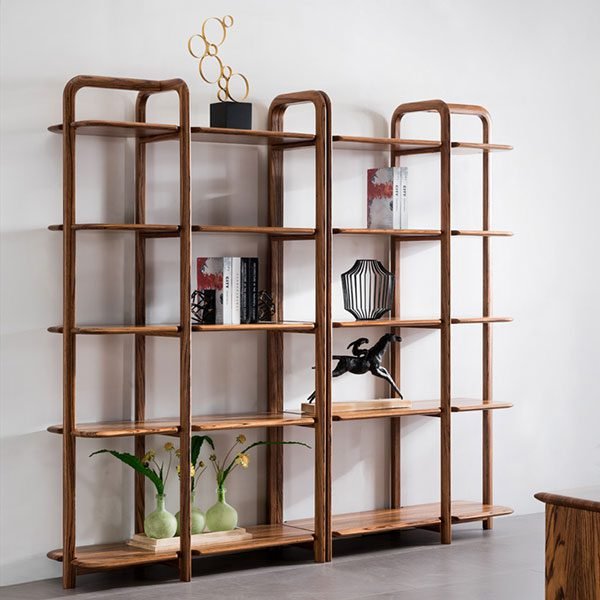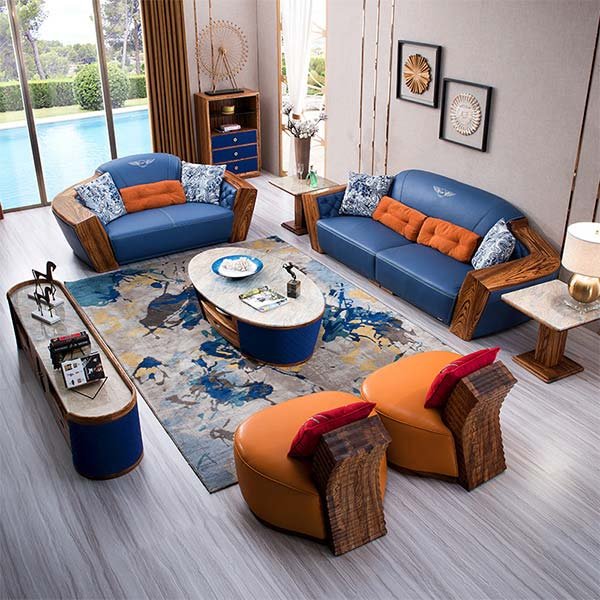
“From Classic to Contemporary: Embrace the Timeless Beauty of Wooden Furniture”
Traditional Wooden Furniture Designs
Traditional Wooden Furniture Designs
Wooden furniture has been a staple in homes for centuries, and its design has evolved significantly over the decades. From simple and functional pieces to intricate and ornate designs, traditional wooden furniture has always been a reflection of the times. In this article, we will explore the evolution of wooden furniture design through the decades.
In the early 20th century, traditional wooden furniture designs were characterized by their simplicity and functionality. Pieces were often made from solid wood, with clean lines and minimal ornamentation. The focus was on practicality, with furniture serving a specific purpose. Chairs were designed for comfort, tables for dining, and cabinets for storage.
As the decades progressed, traditional wooden furniture designs began to incorporate more decorative elements. In the 1920s and 1930s, the Art Deco movement influenced furniture design, with its emphasis on geometric shapes and bold colors. Wooden furniture featured sleek lines and smooth surfaces, often adorned with inlays or veneers.
The 1940s and 1950s saw a shift towards more organic and natural designs. Scandinavian influences became popular, with their emphasis on simplicity and functionality. Traditional wooden furniture designs during this time often featured tapered legs, curved lines, and light-colored wood. The focus was on creating a sense of warmth and coziness in the home.
In the 1960s and 1970s, traditional wooden furniture designs took on a more eclectic and experimental approach. The Mid-Century Modern movement emerged, with its emphasis on clean lines, organic shapes, and innovative materials. Furniture designers began to experiment with different types of wood, such as teak and rosewood, and incorporate new techniques, such as bentwood and molded plywood.
The 1980s and 1990s saw a resurgence of traditional wooden furniture designs, with a focus on craftsmanship and quality. Furniture makers began to pay more attention to the details, with intricate carvings and ornate embellishments becoming popular. Traditional styles, such as Queen Anne and Chippendale, were revived, with their elegant curves and rich finishes.
In recent decades, traditional wooden furniture designs have continued to evolve. The focus has shifted towards sustainability and eco-friendly materials. Furniture makers are now using reclaimed wood and incorporating environmentally friendly finishes. Designs are often a blend of traditional and contemporary elements, with clean lines and minimalistic aesthetics.
In conclusion, the evolution of traditional wooden furniture designs through the decades has been a reflection of the changing times and design movements. From simple and functional pieces to intricate and ornate designs, wooden furniture has adapted to meet the needs and tastes of each era. Whether it’s the simplicity of the early 20th century or the eclecticism of the 1960s, traditional wooden furniture designs continue to be a timeless and cherished addition to any home.
Modern and Contemporary Wooden Furniture Designs
Modern and Contemporary Wooden Furniture Designs
Wooden furniture has been a staple in homes for centuries, but its design has evolved significantly over the years. From traditional and ornate to sleek and minimalist, modern and contemporary wooden furniture designs have taken center stage in today’s interior design trends. In this article, we will explore the evolution of wooden furniture design through the decades, focusing on the modern and contemporary styles that have captured the imagination of homeowners and designers alike.
The mid-20th century marked a turning point in furniture design, with the emergence of modernism. This movement sought to break away from the ornate and heavy designs of the past and embrace simplicity and functionality. Wooden furniture designs during this period featured clean lines, geometric shapes, and a focus on natural materials. The use of lighter woods, such as teak and oak, became popular, giving furniture a more airy and contemporary feel.
As the decades progressed, contemporary wooden furniture designs began to incorporate new materials and techniques. The use of glass, metal, and even plastic became more prevalent, adding a touch of modernity to traditional wooden pieces. This fusion of materials allowed for innovative designs that pushed the boundaries of what was possible with wood alone.
One notable trend in modern and contemporary wooden furniture designs is the emphasis on sustainability and eco-friendliness. With growing concerns about deforestation and climate change, designers have turned to reclaimed wood and responsibly sourced materials. This shift towards environmentally conscious design has resulted in furniture that not only looks beautiful but also has a positive impact on the planet.
In terms of aesthetics, modern and contemporary wooden furniture designs have become more diverse and eclectic. While some designers still embrace the minimalist approach, others have embraced bold colors, intricate patterns, and unique shapes. This diversity allows homeowners to find furniture that suits their personal style and complements their existing decor.
Another significant development in modern and contemporary wooden furniture designs is the integration of technology. With the rise of smart homes, furniture has become more than just a functional piece. It can now incorporate features such as built-in charging stations, wireless connectivity, and even voice control. These technological advancements have transformed wooden furniture into interactive and intelligent pieces that enhance the overall living experience.
In conclusion, modern and contemporary wooden furniture designs have come a long way since their traditional and ornate predecessors. From the simplicity of mid-century modernism to the fusion of materials and the emphasis on sustainability, wooden furniture has evolved to meet the changing needs and tastes of homeowners. With its timeless appeal and versatility, it is no wonder that modern and contemporary wooden furniture designs continue to be a popular choice in today’s homes. Whether you prefer a sleek and minimalist look or a bold and eclectic style, there is a wooden furniture design out there that will perfectly complement your space.
Sustainable and Eco-Friendly Wooden Furniture Designs
Sustainable and Eco-Friendly Wooden Furniture Designs
Wooden furniture has been a staple in homes for centuries, providing both functionality and aesthetic appeal. However, as the world becomes more conscious of the need for sustainable and eco-friendly practices, the design of wooden furniture has evolved to meet these demands. In this article, we will explore the evolution of wooden furniture design through the decades, with a focus on sustainable and eco-friendly designs.
In the past, wooden furniture was often made from hardwoods that were not sustainably sourced. This led to deforestation and the depletion of natural resources. However, as environmental concerns grew, designers began to explore alternative materials and production methods.
One of the first steps towards sustainable wooden furniture design was the use of reclaimed wood. Reclaimed wood is salvaged from old buildings, barns, and other structures, giving it a unique character and reducing the need for new trees to be cut down. This trend gained popularity in the 1990s and continues to be a popular choice for eco-conscious consumers.
Another important development in sustainable wooden furniture design is the use of certified sustainable wood. Organizations such as the Forest Stewardship Council (FSC) provide certification for wood that is harvested in an environmentally responsible manner. This ensures that the wood used in furniture production comes from well-managed forests and promotes the conservation of biodiversity.
In addition to the materials used, the manufacturing process itself has also become more sustainable. Many furniture manufacturers now prioritize energy-efficient production methods and use non-toxic finishes and adhesives. This reduces the environmental impact of the furniture production process and ensures that the final product is safe for both the consumer and the environment.
Designers have also started to incorporate innovative techniques and technologies into their wooden furniture designs. For example, some designers are experimenting with 3D printing to create intricate and unique furniture pieces. This not only reduces waste but also allows for greater customization and personalization.
Furthermore, sustainable and eco-friendly wooden furniture designs often prioritize functionality and versatility. Multi-purpose furniture, such as tables that can be transformed into shelves or beds that can be folded into a compact size, are becoming increasingly popular. This not only saves space but also reduces the need for multiple pieces of furniture, leading to less consumption and waste.
As consumers become more aware of the environmental impact of their choices, the demand for sustainable and eco-friendly wooden furniture continues to grow. Designers and manufacturers are responding to this demand by creating innovative and stylish furniture designs that prioritize both aesthetics and sustainability.
In conclusion, the evolution of wooden furniture design through the decades has seen a shift towards sustainability and eco-friendliness. From the use of reclaimed wood to certified sustainable materials and energy-efficient production methods, designers are finding creative ways to reduce the environmental impact of wooden furniture production. With the incorporation of innovative techniques and a focus on functionality, sustainable and eco-friendly wooden furniture designs are becoming increasingly popular among consumers. By choosing these designs, we can contribute to a more sustainable future while still enjoying the beauty and functionality of wooden furniture.
Заключение
Заключение: Эволюция дизайна деревянной мебели на протяжении десятилетий является удивительным процессом, который отражает изменения во вкусах, стилях и технологиях производства. Начиная с простых и функциональных форм в середине 20 века, деревянная мебель постепенно превратилась в произведение искусства, сочетающее в себе элегантность, инновацию и удобство. Современные дизайнеры стремятся к экологической устойчивости, использованию новых материалов и технологий, чтобы создать уникальные и функциональные предметы мебели. В целом, эволюция дизайна деревянной мебели продолжается, отражая современные тенденции и потребности потребителей.