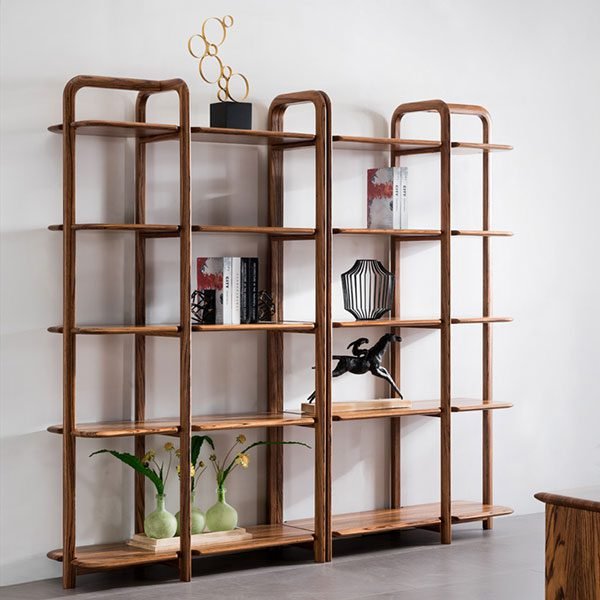
“Восстановите душу древнего дерева: оживите старую мебель с нежностью и мастерством.”
Choosing the Right Restoration Techniques for Old Wooden Furniture
Choosing the Right Restoration Techniques for Old Wooden Furniture
Restoring old wooden furniture can be a rewarding and fulfilling project. Whether you have inherited a family heirloom or stumbled upon a hidden gem at a flea market, bringing new life to old furniture can add character and charm to your home. However, before diving into the restoration process, it is important to choose the right techniques to ensure the best results.
The first step in choosing the right restoration techniques is to assess the condition of the furniture. Is it simply worn and in need of a fresh coat of paint, or does it require more extensive repairs? If the furniture has minor scratches or dents, sanding and refinishing may be sufficient. However, if there are major structural issues, such as loose joints or broken pieces, more advanced techniques, such as wood glue or replacement, may be necessary.
Once you have determined the level of restoration required, it is important to consider the type of wood used in the furniture. Different types of wood require different techniques and products. For example, softwoods, such as pine or cedar, are more prone to scratches and dents and may require extra care during the restoration process. Hardwoods, such as oak or mahogany, are more durable and can withstand more aggressive techniques, such as sanding or staining.
In addition to considering the type of wood, it is also important to take into account the style and age of the furniture. If you are working with an antique piece, it is crucial to preserve its originality and value. In this case, using gentle cleaning methods and minimal repairs may be the best approach. On the other hand, if you are restoring a more modern piece, you may have more flexibility to experiment with different techniques and finishes.
Another factor to consider when choosing restoration techniques is your own skill level and available resources. Some techniques, such as veneer repair or intricate carving, require advanced woodworking skills and specialized tools. If you are a beginner or do not have access to these resources, it may be best to stick to simpler techniques, such as sanding and painting.
Lastly, it is important to consider the desired outcome of the restoration. Are you looking to completely transform the piece or simply enhance its natural beauty? If you want to change the color or finish of the furniture, techniques such as staining or painting may be necessary. However, if you prefer to maintain the original look, a simple cleaning and waxing may be sufficient.
In conclusion, choosing the right restoration techniques for old wooden furniture is crucial to achieving the desired results. By assessing the condition of the furniture, considering the type of wood, taking into account the style and age, considering your own skill level and available resources, and determining the desired outcome, you can make informed decisions and ensure a successful restoration project. Remember, patience and attention to detail are key when reviving old wooden furniture, so take your time and enjoy the process.
Step-by-Step Guide to Refinishing Antique Wooden Furniture
Step-by-Step Guide to Refinishing Antique Wooden Furniture
Restoring and reviving old wooden furniture can be a rewarding and satisfying project. Whether you have inherited a family heirloom or found a hidden gem at a flea market, refinishing antique wooden furniture can bring new life to these pieces. In this step-by-step guide, we will walk you through the process of refinishing antique wooden furniture.
1. Assess the condition of the furniture
Before you begin the refinishing process, it is important to assess the condition of the furniture. Look for any cracks, chips, or loose joints that may need to be repaired. Take note of any existing finishes or paint that will need to be removed.
2. Gather the necessary tools and materials
To refinish antique wooden furniture, you will need a variety of tools and materials. Some of the essential items include sandpaper, paint stripper, a scraper, wood filler, a paintbrush, and a clear finish or paint for the final coat.
3. Remove the existing finish or paint
The next step is to remove the existing finish or paint from the furniture. This can be done using a paint stripper and a scraper. Apply the paint stripper according to the manufacturer’s instructions and use the scraper to gently remove the old finish. Be sure to work in a well-ventilated area and wear protective gloves and goggles.
4. Sand the surface
Once the old finish has been removed, it is time to sand the surface of the furniture. Start with a coarse-grit sandpaper to remove any remaining finish or paint, and then gradually move to finer-grit sandpaper to smooth out the surface. Sand in the direction of the wood grain to avoid damaging the wood.
5. Repair any damage
If there are any cracks, chips, or loose joints, now is the time to repair them. Use a wood filler to fill in any gaps or holes, and then sand the repaired areas to ensure a smooth surface.
6. Apply a clear finish or paint
After the surface has been sanded and repaired, it is time to apply a clear finish or paint. Choose a finish or paint that is appropriate for the type of wood and the desired look. Apply the finish or paint using a paintbrush, following the manufacturer’s instructions. Allow the first coat to dry completely before applying additional coats if necessary.
7. Reassemble the furniture
Once the finish or paint has dried, it is time to reassemble the furniture. If any hardware was removed during the refinishing process, now is the time to reattach it. Make sure all joints are secure and tighten any screws or bolts as needed.
8. Clean and maintain the furniture
Finally, clean the furniture to remove any dust or debris that may have accumulated during the refinishing process. Use a soft cloth or brush to gently clean the surface. To maintain the beauty of the refinished furniture, avoid placing it in direct sunlight or exposing it to excessive moisture.
In conclusion, refinishing antique wooden furniture can be a rewarding project that brings new life to old pieces. By following this step-by-step guide, you can restore and revive your furniture to its former glory. Remember to assess the condition of the furniture, gather the necessary tools and materials, remove the existing finish or paint, sand the surface, repair any damage, apply a clear finish or paint, reassemble the furniture, and clean and maintain it for years to come.
Tips and Tricks for Bringing Life Back to Neglected Wooden Furniture
Wooden furniture can add warmth and character to any space, but over time, it can become worn and neglected. However, with a little time and effort, you can restore and revive old wooden furniture to its former glory. In this article, we will provide you with some tips and tricks to bring life back to your neglected wooden furniture.
Firstly, it is important to assess the condition of the furniture. Look for any signs of damage, such as scratches, dents, or loose joints. This will help you determine the extent of the restoration needed. If the damage is minor, you can easily fix it yourself. For scratches, you can use a wood filler or a wax stick to fill in the damaged area. For loose joints, you can apply wood glue and clamp the pieces together until the glue dries.
Once any repairs have been made, it is time to clean the furniture. Start by removing any dust or dirt with a soft cloth or a brush. For stubborn stains, you can use a mild soap and water solution. Be sure to test the solution on a small, inconspicuous area first to ensure it does not damage the wood. Gently scrub the surface with a sponge or a soft brush, and then wipe it dry with a clean cloth.
After cleaning, you may notice that the wood has lost its luster. To revive the natural beauty of the wood, you can apply a wood polish or a furniture oil. These products will nourish the wood and enhance its color and shine. Apply the polish or oil with a soft cloth, following the grain of the wood. Allow it to penetrate the surface for a few minutes, and then buff it with a clean cloth to remove any excess.
In addition to cleaning and polishing, you can also consider refinishing the furniture. This involves stripping off the old finish and applying a new one. Before starting the refinishing process, make sure to protect the surrounding area with drop cloths or newspapers. Use a paint stripper to remove the old finish, following the manufacturer’s instructions. Once the old finish has been removed, sand the surface with fine-grit sandpaper to smooth out any imperfections. Finally, apply a new finish, such as varnish or stain, to protect and enhance the wood.
To maintain the restored furniture, it is important to take proper care of it. Avoid placing hot or wet objects directly on the surface, as this can cause damage. Use coasters or placemats to protect the wood from spills and heat. Regularly dust the furniture with a soft cloth to prevent the buildup of dirt and grime. If necessary, you can reapply a wood polish or oil to keep the wood nourished and protected.
In conclusion, restoring and reviving old wooden furniture is a rewarding process that can bring new life to your space. By assessing the condition, making necessary repairs, cleaning, polishing, and refinishing, you can transform neglected furniture into a beautiful and functional piece. Remember to take proper care of the restored furniture to ensure its longevity. With these tips and tricks, you can enjoy the beauty of your wooden furniture for years to come.
Заключение
Заключение: Чтобы восстановить и оживить старую деревянную мебель, следует выполнить несколько шагов. Сначала необходимо очистить поверхность от грязи и старого покрытия, используя мягкую щетку или абразивную бумагу. Затем провести ремонт деревянных дефектов, таких как трещины или сколы, с помощью деревянного клея или пасты для дерева. После этого следует применить покрытие, такое как масло, лак или краску, чтобы защитить поверхность и придать ей новый вид. Наконец, можно добавить декоративные элементы, такие как ручки или ножки, чтобы придать мебели особый шарм. В результате правильного восстановления и оживления старой деревянной мебели, она может стать прекрасным и функциональным предметом интерьера.