“Embrace the Sensory Experience: Elevate Your Space with Texture in Furniture Design for 2024”
Innovative Textures: Redefining Furniture Design in 2024
Innovative Textures: Redefining Furniture Design in 2024
Texture plays a crucial role in furniture design, as it not only enhances the visual appeal but also adds a tactile experience to the overall design. As we look ahead to 2024, the impact of texture in furniture design is set to redefine the way we perceive and interact with our living spaces.
One of the emerging trends in furniture design is the use of innovative textures that create a sense of depth and dimension. Designers are experimenting with materials such as 3D-printed fabrics, textured glass, and even recycled materials to create unique and visually stunning furniture pieces. These textures not only add visual interest but also provide a sensory experience, making the furniture more engaging and interactive.
Another aspect of texture in furniture design is its ability to evoke emotions and create a certain ambiance in a space. For example, rough textures like reclaimed wood or exposed brick can give a rustic and cozy feel, while smooth and glossy textures like polished metal or glass can create a modern and sleek atmosphere. By carefully selecting and combining different textures, designers can create furniture that not only looks beautiful but also sets the mood and enhances the overall aesthetic of a room.
Furthermore, texture can also be used to highlight specific design elements or create focal points in furniture. For instance, a textured accent wall or a piece of furniture with intricate patterns can draw attention and become a statement piece in a room. By strategically incorporating texture into the design, designers can guide the viewer’s eye and create a sense of balance and harmony in the space.
In addition to aesthetics, texture also plays a functional role in furniture design. Textured surfaces can provide better grip and prevent slipping, making furniture safer and more user-friendly. For example, textured handles on drawers or textured upholstery on chairs can improve the overall usability and comfort of the furniture. This focus on both form and function ensures that furniture not only looks good but also serves its intended purpose effectively.
As we move towards 2024, the use of innovative textures in furniture design is expected to continue evolving. With advancements in technology and materials, designers will have even more possibilities to explore and experiment with textures. From sustainable materials to interactive surfaces, the future of furniture design will be characterized by a wide range of textures that cater to different tastes and preferences.
In conclusion, texture is a powerful tool in furniture design that can transform a space and elevate the overall experience. The use of innovative textures in furniture design is set to redefine the way we perceive and interact with our living spaces in 2024. From creating a sense of depth and dimension to evoking emotions and enhancing functionality, texture plays a crucial role in shaping the future of furniture design. So, get ready to embrace the exciting world of textures and experience furniture like never before in the coming years.
Exploring the Role of Texture in Creating a Modern Aesthetic for Furniture
The Impact of Texture in Furniture Design for 2024
Texture plays a crucial role in creating a modern aesthetic for furniture design. It adds depth, visual interest, and a tactile experience to the overall design. In this article, we will explore the role of texture in furniture design and its impact on the industry in 2024.
One of the key aspects of texture in furniture design is its ability to create a sense of visual interest. Smooth surfaces can be visually appealing, but adding texture can take the design to a whole new level. Textured surfaces can create a dynamic and engaging visual experience, capturing the attention of the viewer and making the furniture stand out.
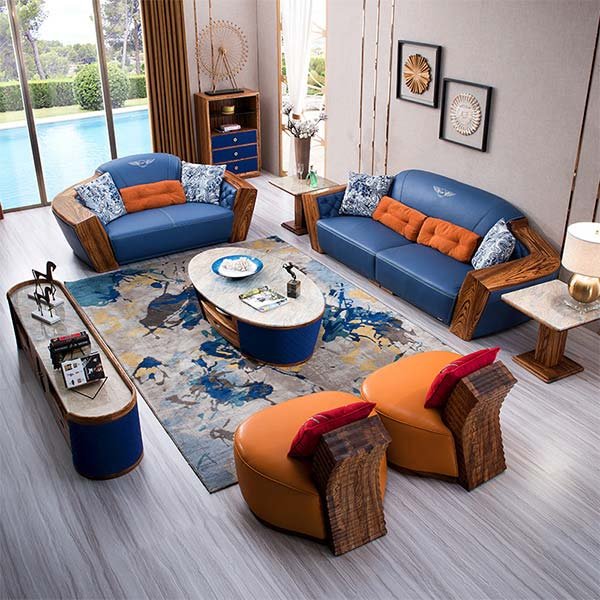
Moreover, texture adds depth to furniture design. By incorporating different textures, designers can create a multidimensional look that adds complexity and richness to the overall aesthetic. For example, combining a smooth leather upholstery with a textured wooden frame can create a visually striking contrast that enhances the overall design.
In addition to visual impact, texture also plays a significant role in providing a tactile experience. When people interact with furniture, they often appreciate the feel of different textures. A soft, plush fabric can create a sense of comfort and coziness, while a rough, textured surface can evoke a sense of ruggedness and durability. By carefully selecting and incorporating textures, designers can create furniture that not only looks good but also feels good to touch.
As we look ahead to 2024, the impact of texture in furniture design is expected to continue growing. With advancements in technology and materials, designers will have even more options to experiment with textures. Innovative materials such as 3D-printed textures and textured glass will open up new possibilities for creating unique and captivating designs.
Furthermore, texture will play a crucial role in sustainability and eco-friendly design. As the demand for sustainable furniture increases, designers will explore textures that mimic natural materials without the environmental impact. Textured surfaces that resemble wood grains or stone patterns can provide a sustainable alternative to using actual wood or stone, reducing deforestation and mining.
In conclusion, texture is a vital element in furniture design, creating visual interest, depth, and a tactile experience. As we move into 2024, the impact of texture in furniture design is expected to grow even further. Designers will continue to experiment with textures, incorporating innovative materials and sustainable alternatives. The role of texture in creating a modern aesthetic for furniture cannot be underestimated, as it adds a unique and captivating element to the overall design. So, whether you’re a designer or a consumer, keep an eye out for the exciting developments in texture in the furniture industry in the coming years.
The Future of Furniture: Embracing Texture as a Key Design Element
The Impact of Texture in Furniture Design for 2024
Texture has always played a significant role in furniture design, adding depth and character to pieces. As we look towards the future of furniture, it becomes increasingly clear that texture will continue to be a key design element. In this article, we will explore the impact of texture in furniture design for 2024 and how it can enhance the overall aesthetic and functionality of furniture.
One of the main reasons why texture is gaining importance in furniture design is its ability to create visual interest. Smooth surfaces have long been favored in modern design, but the introduction of texture adds a new dimension to furniture. Whether it’s a rough, weathered finish or a soft, velvety touch, texture can instantly draw attention and make a statement.
Moreover, texture can also evoke emotions and create a sense of comfort. In a world where technology dominates our lives, people are increasingly seeking tactile experiences. Furniture with interesting textures can provide a sense of warmth and familiarity, making a space feel more inviting and cozy. This is particularly important as we continue to spend more time at home, seeking comfort and solace.
In addition to its visual and emotional impact, texture can also enhance the functionality of furniture. For example, a textured surface can provide better grip and prevent items from slipping off. This is especially relevant in the kitchen, where textured countertops can improve safety and efficiency. Similarly, textured upholstery can offer better resistance to wear and tear, ensuring that furniture remains in good condition for longer.
As we look ahead to 2024, it is clear that texture will continue to evolve and be embraced in furniture design. One emerging trend is the use of natural textures, such as wood grain or stone patterns. These textures not only add a touch of nature to our interiors but also create a sense of harmony and balance. In a world that is becoming increasingly digital, the incorporation of natural textures can provide a much-needed connection to the physical world.
Another trend that we can expect to see in 2024 is the combination of different textures within a single piece of furniture. This creates a dynamic and visually appealing look, adding interest and complexity to the design. For example, a chair with a smooth leather seat and a textured fabric backrest can create a striking contrast that catches the eye.
In conclusion, texture will continue to play a significant role in furniture design for 2024. Its ability to create visual interest, evoke emotions, and enhance functionality makes it a key design element. Whether it’s through the use of natural textures or the combination of different textures, furniture designers are embracing texture to create unique and captivating pieces. So, as we look towards the future of furniture, let us not forget the impact that texture can have on our living spaces.
Заключение
Заключение: Влияние текстуры в дизайне мебели на 2024 год является значительным. Текстура играет важную роль в создании эстетического впечатления и функциональности мебельных изделий. В будущем, ожидается, что дизайнеры будут все больше экспериментировать с различными текстурами, чтобы создать уникальные и привлекательные предметы мебели. Текстура также может быть использована для усиления комфорта и эргономики мебели. В целом, текстура будет продолжать играть важную роль в развитии и инновациях в дизайне мебели в 2024 году.