“Embrace Simplicity, Elevate Style: Unveiling the Essence of Minimalist Furniture Design in 2024”
The Evolution of Minimalism in Furniture Design: A Look into the Future
Exploring the Impact of Minimalism on Furniture Design in 2024
Minimalism has been a prominent trend in furniture design for several years now, and its impact is only expected to grow in the coming years. As we look into the future of furniture design, it is fascinating to see how minimalism has evolved and the potential it holds for the industry.
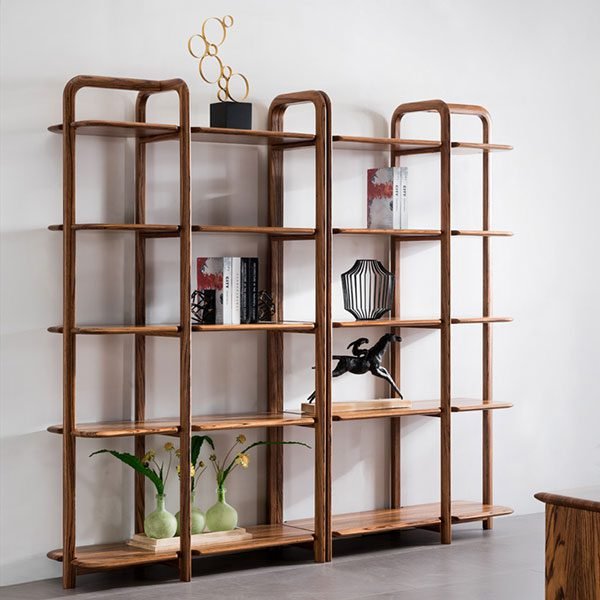
One of the key aspects of minimalism is its focus on simplicity and functionality. In 2024, we can expect to see furniture designs that prioritize clean lines, sleek forms, and a lack of unnecessary ornamentation. This minimalist approach not only creates a visually appealing aesthetic but also allows for greater versatility and adaptability in various interior design styles.
Another significant impact of minimalism on furniture design is its emphasis on sustainability. With the growing concern for the environment, designers are increasingly incorporating eco-friendly materials and manufacturing processes into their creations. In 2024, we can expect to see furniture made from recycled materials, sustainable woods, and innovative technologies that reduce waste and carbon footprint.
Furthermore, minimalism encourages a clutter-free and organized living space. In the future, furniture designs will continue to prioritize storage solutions that are both functional and aesthetically pleasing. From hidden compartments to modular units, these designs will help homeowners maximize their living spaces and maintain a sense of order and simplicity.
In terms of color palettes, minimalism often favors neutral tones such as whites, grays, and earthy hues. However, in 2024, we can expect to see a shift towards bolder and more vibrant colors. While still maintaining a minimalist aesthetic, furniture designs will incorporate pops of color to add personality and create focal points within a space.
Technology is also expected to play a significant role in the future of minimalist furniture design. With the rise of smart homes and interconnected devices, furniture will be designed to seamlessly integrate with technology. From built-in charging stations to wireless connectivity, these designs will cater to the needs of the modern, tech-savvy consumer.
As we delve deeper into the future of minimalist furniture design, it is important to note that minimalism is not just a passing trend but a timeless philosophy. Its focus on simplicity, functionality, and sustainability resonates with consumers who value quality over quantity. In 2024 and beyond, we can expect to see furniture designs that embody these principles and continue to shape the industry.
In conclusion, the impact of minimalism on furniture design in 2024 will be significant. From its emphasis on simplicity and functionality to its focus on sustainability and organization, minimalism will continue to shape the way we design and interact with furniture. As technology advances and consumer preferences evolve, minimalist designs will adapt and thrive, offering innovative solutions for modern living spaces. So, whether you are a design enthusiast or a homeowner looking to update your space, embracing minimalism in furniture design is a choice that will stand the test of time.
Minimalism and Sustainability: How Minimalist Furniture Design Can Contribute to a Greener Future
Minimalism and Sustainability: How Minimalist Furniture Design Can Contribute to a Greener Future
In recent years, minimalism has become a popular trend in furniture design. With its clean lines, simplicity, and focus on functionality, minimalist furniture has captured the attention of many consumers. However, beyond its aesthetic appeal, minimalism also has the potential to contribute to a greener future through its emphasis on sustainability.
One of the key principles of minimalism is the idea of “less is more.” This concept encourages designers to create furniture that is stripped down to its essential elements, eliminating unnecessary ornamentation and excess materials. By doing so, minimalist furniture not only reduces waste during the manufacturing process but also minimizes the environmental impact of its production.
In addition to reducing waste, minimalist furniture design also promotes the use of sustainable materials. Many minimalist pieces are made from natural materials such as wood, bamboo, or recycled materials. These materials are not only renewable but also have a lower carbon footprint compared to synthetic materials commonly used in traditional furniture design.
Furthermore, minimalist furniture design often prioritizes durability and longevity. Instead of following trends and producing disposable furniture, minimalist designers focus on creating timeless pieces that can withstand the test of time. This approach not only reduces the need for frequent replacements but also reduces the overall demand for new furniture, thus reducing the strain on natural resources.
Another aspect of minimalism that contributes to sustainability is its emphasis on functionality. Minimalist furniture is designed to be practical and efficient, serving its intended purpose without unnecessary frills. This focus on functionality encourages consumers to make more conscious choices when it comes to their furniture needs, avoiding the accumulation of unnecessary items and reducing waste.
Moreover, minimalist furniture design also promotes a clutter-free living environment. By encouraging consumers to declutter and simplify their living spaces, minimalism helps to reduce the demand for storage solutions and excessive consumption. This, in turn, leads to a more sustainable lifestyle, as fewer resources are needed to produce and maintain a clutter-free home.
As we look ahead to 2024, the impact of minimalism on furniture design is expected to continue growing. With the increasing awareness of environmental issues and the need for sustainable solutions, minimalist furniture design offers a promising approach to creating a greener future.
In conclusion, minimalism and sustainability go hand in hand in furniture design. By focusing on simplicity, functionality, and the use of sustainable materials, minimalist furniture has the potential to contribute to a greener future. As consumers become more conscious of their environmental footprint, the demand for minimalist furniture is likely to increase, driving the industry towards more sustainable practices. By embracing minimalism, we can not only create beautiful and functional living spaces but also contribute to a more sustainable and environmentally friendly world.
Minimalism and Functionality: Exploring the Practicality of Minimalist Furniture Designs in 2024
Minimalism and Functionality: Exploring the Practicality of Minimalist Furniture Designs in 2024
In recent years, minimalism has become a popular trend in furniture design. With its clean lines, simplicity, and focus on functionality, minimalist furniture has gained a strong following. As we look ahead to 2024, it is interesting to explore the impact of minimalism on furniture design and its practicality in our everyday lives.
One of the key aspects of minimalist furniture design is its focus on functionality. Minimalist furniture is designed to serve a purpose, without any unnecessary embellishments or distractions. This makes it highly practical for modern living spaces, where space is often limited. By eliminating unnecessary elements, minimalist furniture allows for a more efficient use of space, making it ideal for small apartments or homes.
Another advantage of minimalist furniture is its versatility. The simplicity of its design allows it to blend seamlessly with various interior styles. Whether you prefer a modern, Scandinavian, or industrial aesthetic, minimalist furniture can easily adapt to your chosen style. This versatility makes it a timeless investment, as it can be easily incorporated into different design trends over the years.
Minimalist furniture also promotes a sense of calm and tranquility in our living spaces. With its clean lines and uncluttered appearance, minimalist furniture creates a serene atmosphere that is conducive to relaxation and focus. In a world filled with constant distractions, having a minimalist space can provide a much-needed respite from the chaos of everyday life.
Furthermore, minimalist furniture is often made with high-quality materials and craftsmanship. While it may have a simple design, the attention to detail and the use of premium materials ensure its durability and longevity. Investing in minimalist furniture means investing in pieces that will stand the test of time, both in terms of style and functionality.
As we look ahead to 2024, it is clear that minimalism will continue to have a significant impact on furniture design. With its practicality, versatility, and timeless appeal, minimalist furniture is here to stay. As our living spaces become smaller and our lives become busier, the need for functional and efficient furniture will only increase.
In conclusion, minimalism has revolutionized furniture design in recent years, and its impact will continue to be felt in 2024 and beyond. The practicality and functionality of minimalist furniture make it a perfect choice for modern living spaces. Its versatility allows it to seamlessly blend with various interior styles, while its simplicity promotes a sense of calm and tranquility. With its high-quality materials and craftsmanship, minimalist furniture is a long-term investment that will stand the test of time. As we embrace the minimalist lifestyle, we can look forward to a future where our living spaces are both functional and aesthetically pleasing.
Заключение
Заключение: Исследование влияния минимализма на дизайн мебели в 2024 году показало, что этот стиль продолжает оставаться популярным и востребованным. Минимализм в мебельном дизайне в 2024 году характеризуется простыми формами, чистыми линиями и функциональностью. Он отражает современные тенденции в области дизайна, где уделяется большое внимание эстетике и удобству использования. Минималистический дизайн мебели в 2024 году также акцентирует внимание на экологической устойчивости и использовании натуральных материалов. В целом, минимализм продолжает оставаться важным фактором в развитии современного мебельного дизайна и ожидается, что его влияние будет сохраняться и в будущем.