“Creating Perfect Harmony: Master the Art of Sofa Coordination”
Choosing a color scheme for your sofa and other furniture
Choosing a color scheme for your sofa and other furniture is an important aspect of harmonizing your living space. The right color combination can create a cohesive and visually appealing look, while the wrong choice can result in a mismatched and chaotic room. In this article, we will discuss some tips and tricks to help you choose the perfect color scheme for your sofa and other furniture.
Firstly, it is important to consider the overall style and theme of your room. Are you going for a modern and minimalist look, or do you prefer a more traditional and cozy feel? The color scheme you choose should complement the style of your room. For example, if you have a contemporary living room with sleek lines and neutral tones, a sofa in a bold and vibrant color can add a pop of personality and create a focal point. On the other hand, if you have a rustic and cozy space, a sofa in earthy tones like brown or beige can enhance the warm and inviting atmosphere.
Another factor to consider when choosing a color scheme is the size of your room. If you have a small living room, it is generally recommended to stick to lighter and neutral colors for your sofa and other furniture. Lighter colors can create an illusion of space and make the room feel more open and airy. On the other hand, if you have a large and spacious living room, you have more flexibility in choosing bolder and darker colors for your furniture.
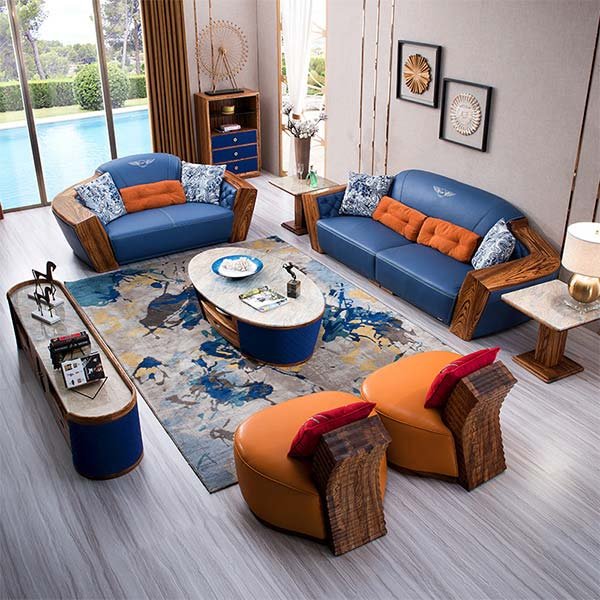
In addition to the style and size of your room, it is also important to consider the existing colors in your space. Take a look at the walls, flooring, and other decorative elements in your room. Are they predominantly warm or cool tones? It is generally recommended to choose a color scheme that complements the existing colors in your room. For example, if you have cool-toned walls, a sofa in a cool color like blue or gray can create a harmonious and balanced look. On the other hand, if you have warm-toned walls, a sofa in warm colors like red or orange can create a cozy and inviting atmosphere.
When choosing a color scheme, it is also important to consider the practicality and durability of the materials. If you have young children or pets, it is advisable to choose fabrics that are easy to clean and maintain. Darker colors and patterns can help hide stains and wear and tear. On the other hand, if you prefer a more luxurious and elegant look, you can opt for lighter and more delicate fabrics, but be prepared to invest more time and effort in their maintenance.
In conclusion, choosing a color scheme for your sofa and other furniture is an important step in harmonizing your living space. Consider the style and theme of your room, the size of your space, the existing colors, and the practicality of the materials. By carefully considering these factors, you can create a cohesive and visually appealing look that reflects your personal style and enhances the overall atmosphere of your room. So go ahead and start experimenting with different color combinations to find the perfect harmony for your sofa and other furniture.
Mixing different textures and patterns in your furniture arrangement
Mixing different textures and patterns in your furniture arrangement can be a great way to add visual interest and personality to your living space. However, it can also be a bit challenging to harmonize your sofa with other furniture pieces. In this article, we will explore some tips and tricks to help you achieve a cohesive and stylish look.
One important aspect to consider when mixing different textures and patterns is the color palette. It is essential to choose a color scheme that complements each other and creates a harmonious atmosphere. For example, if your sofa has a bold pattern, you can choose other furniture pieces in solid colors that match one of the colors in the pattern. This will create a balanced and coordinated look.
Another way to harmonize your sofa with other furniture is by considering the scale and proportion of the pieces. If your sofa is large and bulky, it is best to choose other furniture pieces that are of a similar scale. This will create a sense of balance and prevent one piece from overpowering the others. On the other hand, if your sofa is small and sleek, you can opt for furniture pieces with clean lines and minimalistic designs to create a cohesive look.
In addition to scale and proportion, it is also important to consider the texture of the furniture pieces. Mixing different textures can add depth and visual interest to your space. For example, if your sofa has a smooth and sleek texture, you can pair it with a coffee table that has a rough and rustic texture. This contrast will create a visually appealing and dynamic look.
When mixing different textures and patterns, it is crucial to create a focal point in your space. This can be achieved by choosing one furniture piece as the main focal point and then complementing it with other pieces that have a more subtle pattern or texture. For example, if your sofa has a bold pattern, you can choose a solid-colored armchair and a textured rug to create a balanced and visually pleasing arrangement.
To ensure a smooth transition between different furniture pieces, it is important to use transitional phrases and elements. For example, you can use throw pillows or blankets in coordinating colors and patterns to tie the different pieces together. Additionally, you can use accessories such as artwork or decorative objects that incorporate the colors and textures of the furniture pieces. This will create a cohesive and harmonious look throughout your space.
In conclusion, mixing different textures and patterns in your furniture arrangement can be a fun and creative way to add personality to your living space. By considering the color palette, scale and proportion, texture, and creating a focal point, you can achieve a harmonious and stylish look. Remember to use transitional phrases and elements to create a smooth transition between different furniture pieces. With these tips and tricks, you can create a cohesive and visually appealing arrangement that will make your sofa harmonize with other furniture pieces.
Incorporating complementary accessories to tie your sofa and other furniture pieces together
Incorporating complementary accessories to tie your sofa and other furniture pieces together is a crucial aspect of interior design. When done correctly, it can create a harmonious and cohesive look in your living space. Whether you’re starting from scratch or looking to update your current furniture arrangement, here are some tips on how to harmonize your sofa with other furniture.
Firstly, it’s important to consider the style and color of your sofa. If you have a bold and vibrant sofa, you may want to opt for more neutral and understated furniture pieces to balance the overall look. On the other hand, if your sofa is more neutral, you can experiment with bolder and more colorful furniture pieces to add visual interest.
One way to tie your sofa and other furniture together is by incorporating matching or complementary patterns. For example, if your sofa has a floral pattern, you can choose accent chairs or throw pillows with a similar floral motif. This will create a sense of continuity and cohesion in your space. Additionally, you can also consider using the same fabric or material for your sofa and other furniture pieces to create a unified look.
Another important aspect to consider is the scale and proportion of your furniture. It’s essential to choose pieces that are of similar size and height to create a balanced and visually pleasing arrangement. For instance, if you have a large and bulky sofa, pairing it with delicate and small-scale side tables may create an imbalance. Instead, opt for larger and more substantial furniture pieces to complement the size of your sofa.
In addition to furniture, incorporating complementary accessories can also help tie your sofa and other furniture together. For example, you can use area rugs to define different seating areas and anchor your sofa within the space. Choose a rug that complements the color and style of your sofa, as well as the overall theme of your room.
Furthermore, don’t forget about the importance of lighting in harmonizing your sofa with other furniture. Proper lighting can enhance the overall ambiance and create a cohesive look. Consider using a combination of overhead lighting, floor lamps, and table lamps to create layers of light and highlight different areas of your space. Make sure to choose lighting fixtures that complement the style and color of your sofa and other furniture pieces.
Lastly, don’t be afraid to add personal touches and incorporate your own unique style into the mix. While it’s important to create a harmonious look, it’s also essential to reflect your personality and taste in your space. Add artwork, decorative objects, and personal mementos that resonate with you and tie in with the overall theme of your room.
In conclusion, harmonizing your sofa with other furniture pieces is a key aspect of interior design. By considering the style, color, patterns, scale, and proportion of your furniture, as well as incorporating complementary accessories and proper lighting, you can create a cohesive and visually pleasing living space. Remember to add your personal touch to make it truly your own.
Заключение
Заключение: Чтобы гармонично сочетать диван с другой мебелью, рекомендуется учитывать цветовую гамму, стиль и пропорции. Выбирайте диван, который будет соответствовать общей цветовой палитре помещения и не будет слишком контрастировать с остальной мебелью. Также важно обратить внимание на стиль дивана и подобрать остальную мебель в соответствии с ним. Соблюдение пропорций поможет создать гармоничный общий вид интерьера.