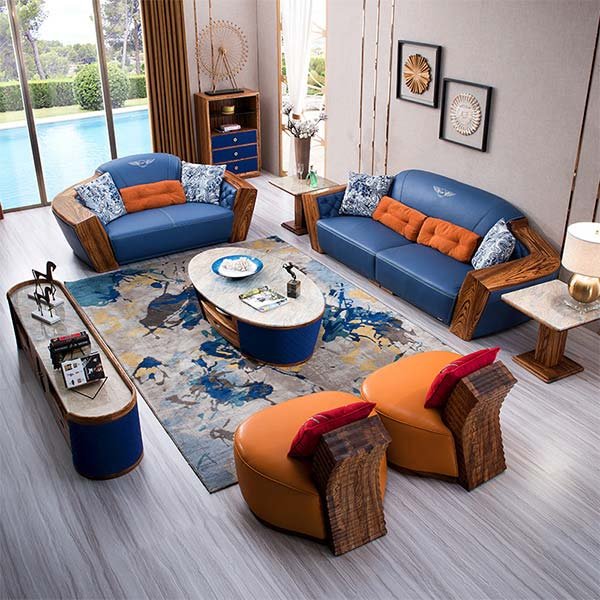
“Transform your living space with a versatile sofa, creating open and inviting environments.”
Choosing the Right Sofa for an Open Living Space
Choosing the Right Sofa for an Open Living Space
When it comes to designing an open living space, one of the most important elements to consider is the sofa. The sofa not only serves as a comfortable seating option but also plays a crucial role in defining the different areas within the open space. In this article, we will discuss how to choose the right sofa for an open living space and create a cohesive and inviting atmosphere.
First and foremost, it is essential to consider the size of the sofa in relation to the overall space. In an open living area, you want to ensure that the sofa is proportionate to the room. A large, bulky sofa can overpower the space and make it feel cramped, while a small sofa may get lost in the vastness of the room. Finding the right balance is key.
Additionally, the shape of the sofa is another important factor to consider. In an open living space, it is advisable to opt for a sofa with clean lines and a streamlined design. This will help create a sense of continuity and flow throughout the space. Avoid sofas with excessive ornamentation or intricate details, as they can disrupt the overall aesthetic of the open area.
Furthermore, the color and fabric of the sofa should be chosen carefully to complement the surrounding decor. In an open living space, it is best to opt for neutral or light-colored sofas that can easily blend with different styles and color schemes. This will allow you to change the look and feel of the space without having to replace the sofa. Additionally, choosing a durable and stain-resistant fabric is essential, as the sofa will likely be exposed to more wear and tear in an open living area.
In terms of arrangement, consider the layout of the open space and how the sofa will fit into it. If the space is large, you may opt for a sectional sofa to create distinct seating areas. This can help define different zones within the open space, such as a living area, a dining area, or a workspace. On the other hand, if the space is smaller, a regular sofa with a couple of accent chairs can provide ample seating without overwhelming the area.
Lastly, don’t forget about comfort. While the aesthetic appeal of the sofa is important, it should also be comfortable and inviting. After all, an open living space is meant to be a place where people can relax and socialize. Consider the depth and cushioning of the sofa to ensure that it provides optimal comfort for both sitting and lounging.
In conclusion, choosing the right sofa for an open living space requires careful consideration of size, shape, color, fabric, arrangement, and comfort. By finding the perfect balance between these factors, you can create a cohesive and inviting atmosphere that defines the different areas within the open space. Remember to choose a sofa that complements the overall aesthetic of the room and provides ample seating without overpowering the space. With these tips in mind, you can transform your open living space into a stylish and functional area that is perfect for both relaxation and entertaining.
Creative Ways to Arrange a Sofa in an Open Living Space
Open living spaces have become increasingly popular in modern homes. These spaces combine multiple functions, such as living, dining, and kitchen areas, into one large, open area. While this layout offers many benefits, it can also present challenges when it comes to defining different zones within the space. One effective way to define these zones is by using a sofa. In this article, we will explore creative ways to arrange a sofa in an open living space.
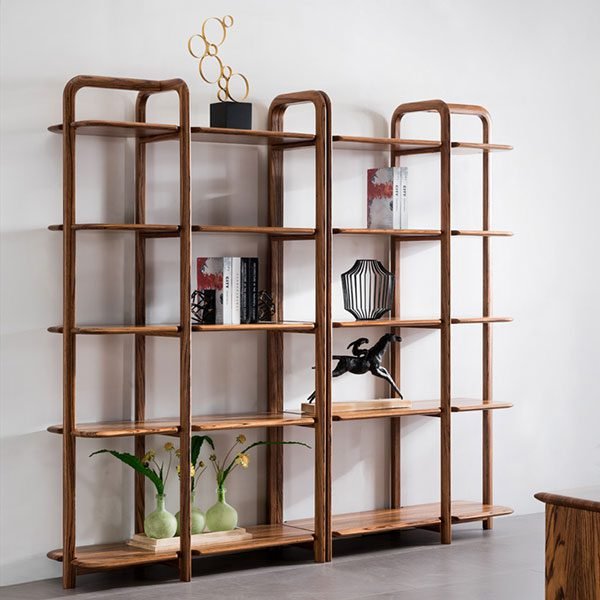
One of the most common ways to define a living area in an open space is by placing the sofa against a wall. This creates a clear boundary between the living area and the rest of the space. Additionally, it allows for easy traffic flow around the sofa, making it a practical choice for smaller spaces. To add visual interest, consider placing a console table or a bookshelf behind the sofa. This not only provides storage and display space but also acts as a visual barrier between the living area and other zones.
Another creative way to arrange a sofa in an open living space is by using it to create a “floating” seating area. Instead of placing the sofa against a wall, position it in the middle of the room, facing away from any walls. This arrangement creates a sense of intimacy and encourages conversation. To further define the seating area, place a rug underneath the sofa and add a coffee table in front of it. This will anchor the space and make it feel like a separate zone within the larger open area.
If you have a larger open living space, consider using the sofa to divide the space into different zones. For example, you can place the sofa perpendicular to a dining table to create a visual separation between the living and dining areas. This arrangement works particularly well in open floor plans where there are no walls to define the different zones. To enhance the division, use different colors or patterns for the sofa and dining chairs. This will create a clear distinction between the two areas while maintaining a cohesive look.
In addition to its functional role, a sofa can also serve as a design statement in an open living space. Choose a sofa with a bold color or an interesting shape to make it a focal point of the room. This will not only define the living area but also add personality and style to the space. To complement the sofa, use coordinating accessories such as throw pillows and curtains. This will tie the different elements of the room together and create a cohesive design.
In conclusion, arranging a sofa in an open living space is a creative way to define different zones within the room. Whether you choose to place it against a wall, create a floating seating area, or use it to divide the space, a sofa can effectively define and enhance the functionality of an open living space. Additionally, by selecting a sofa that makes a design statement, you can add personality and style to the room. So, next time you’re faced with the challenge of defining an open living space, consider using a sofa as your solution.
Incorporating a Sofa into an Open Living Space Design
Incorporating a Sofa into an Open Living Space Design
Open living spaces have become increasingly popular in modern home design. They offer a sense of spaciousness and allow for easy flow between different areas of the house. One key element in defining these open spaces is the sofa. A well-chosen sofa can not only provide comfort but also serve as a focal point, dividing the space and creating distinct zones. In this article, we will explore how to define open living spaces with a sofa.
First and foremost, it is important to consider the size and scale of the sofa in relation to the overall space. A large, bulky sofa can overwhelm a small open living area, while a small sofa may get lost in a larger space. Finding the right balance is crucial. Measure the dimensions of the room and take into account other furniture pieces and architectural features. This will help you determine the appropriate size of the sofa.
Once you have determined the size, think about the style and design of the sofa. Open living spaces often have a contemporary or minimalist aesthetic, so choose a sofa that complements this style. Clean lines, neutral colors, and simple shapes are all characteristics to look for. Avoid overly ornate or bulky designs that can disrupt the flow of the space.
Another important consideration is the placement of the sofa within the open living area. One option is to position the sofa against a wall, creating a defined boundary between the living space and other areas such as the dining or kitchen area. This can help create a sense of coziness and intimacy within the larger space. Alternatively, you can place the sofa in the middle of the room, facing away from any walls. This arrangement can create a more open and inviting atmosphere, allowing for better interaction and flow between different areas.
In addition to placement, consider the orientation of the sofa. If you have a beautiful view or a focal point such as a fireplace or a TV, position the sofa to take advantage of it. This will not only enhance the visual appeal of the space but also create a sense of harmony and balance.
To further define the open living space, consider using accessories and furniture pieces to create distinct zones. For example, a coffee table or a rug can help delineate the seating area around the sofa. Adding a bookshelf or a console table behind the sofa can create a visual separation between the living space and other areas. These elements can also provide additional storage and display space, making the most of the open layout.
In conclusion, incorporating a sofa into an open living space design is a key element in defining the different zones and creating a sense of cohesion. Consider the size, style, and placement of the sofa to ensure it complements the overall aesthetic of the space. Use accessories and furniture pieces to further define the different areas within the open living space. By carefully considering these factors, you can create a functional and visually appealing open living space that is both comfortable and inviting.
Заключение
Открытые жилые пространства с диваном могут быть определены как области, где диван играет центральную роль в создании комфортной и функциональной зоны для отдыха и социального взаимодействия. Диван может быть размещен таким образом, чтобы создать открытую планировку, объединяющую гостиные, столовые и кухонные зоны, и в то же время обеспечивать удобство и уют для жильцов. Важно выбирать диван, который соответствует стилю и размеру пространства, а также обеспечивает достаточное количество сидячих мест для всех членов семьи или гостей. Дополнительные элементы мебели, такие как столики или полки, могут быть использованы для создания функциональных зон в открытых жилых пространствах с диваном.