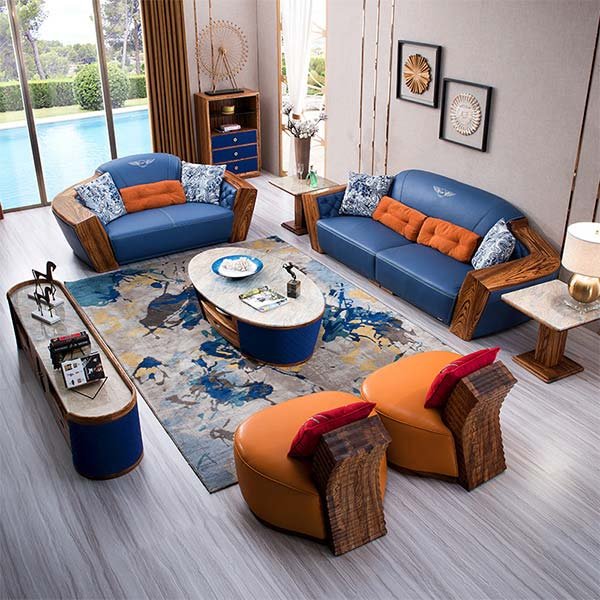
“Where comfort meets style, Sofa Design redefines functionality and aesthetics.”
Exploring the Evolution of Sofa Design: From Traditional to Modern
Exploring the Evolution of Sofa Design: From Traditional to Modern
Sofas have been an integral part of our homes for centuries, providing comfort and style to our living spaces. Over time, the design of sofas has evolved, reflecting changes in society, technology, and aesthetics. In this article, we will delve into the fascinating journey of sofa design, from its traditional roots to the sleek and modern styles we see today.
Traditional sofa design can be traced back to ancient civilizations, where seating arrangements were often low to the ground and made of natural materials such as wood and animal hides. These early sofas were simple in design, focusing primarily on functionality rather than aesthetics. As societies progressed, so did the design of sofas.
During the Renaissance period, sofas became more ornate and luxurious, reflecting the opulence of the time. Intricate carvings, rich fabrics, and elaborate details adorned these pieces of furniture, making them a symbol of wealth and status. The functionality of sofas also improved, with the introduction of padded cushions and backrests for added comfort.
The Industrial Revolution brought about significant changes in sofa design. With the advent of mass production, sofas became more accessible to the general population. The use of new materials such as steel and synthetic fabrics revolutionized the industry, allowing for the creation of sofas with sleeker lines and cleaner designs. This marked the beginning of the modern era of sofa design.
In the mid-20th century, the modernist movement had a profound impact on sofa design. Influenced by the principles of simplicity and functionality, designers began to experiment with new shapes and materials. The iconic designs of this era, such as the Barcelona and the LC2, are still revered today for their timeless appeal. These sofas embraced minimalism, with clean lines and geometric forms becoming the hallmark of modern design.
As technology advanced, so did the functionality of sofas. The introduction of reclining mechanisms, built-in storage, and modular designs allowed for greater versatility and customization. Sofas became more than just a piece of furniture; they became a statement of personal style and practicality.
In recent years, there has been a resurgence of interest in retro and vintage sofa designs. Mid-century modern styles have made a comeback, with their sleek silhouettes and vibrant colors adding a touch of nostalgia to contemporary interiors. This blending of old and new showcases the cyclical nature of design, where past influences continue to shape the present.
Today, sofa design continues to evolve, with a focus on sustainability and eco-friendly materials. Designers are exploring innovative ways to create sofas that are not only aesthetically pleasing but also environmentally conscious. From recycled materials to renewable resources, the future of sofa design is embracing a more sustainable approach.
In conclusion, the evolution of sofa design is a testament to the ever-changing nature of our society and our desire for both functionality and aesthetics. From the simplicity of traditional designs to the sleek lines of modern styles, sofas have come a long way. As we continue to push the boundaries of design, it will be fascinating to see how sofas evolve in the years to come.
The Perfect Blend of Comfort and Style: Unveiling the Secrets of Ergonomic Sofa Design
The Functionality and Aesthetics of Sofa Design
The Perfect Blend of Comfort and Style: Unveiling the Secrets of Ergonomic Sofa Design
When it comes to choosing a sofa, comfort and style are two essential factors that cannot be compromised. A well-designed sofa should not only provide a comfortable seating experience but also enhance the overall aesthetics of the living space. In this article, we will delve into the secrets of ergonomic sofa design, exploring how designers achieve the perfect blend of comfort and style.
One of the key elements of ergonomic sofa design is the use of high-quality materials. Sofas are often subjected to heavy use, so it is crucial to select materials that can withstand the test of time. High-density foam and durable fabrics are commonly used to ensure long-lasting comfort and durability. Additionally, the choice of materials also plays a significant role in the overall aesthetics of the sofa. From luxurious leather to trendy fabrics, designers carefully select materials that complement the style of the living space.
Another important aspect of ergonomic sofa design is the incorporation of proper support mechanisms. A well-designed sofa should provide adequate support to the body, especially the back and neck. This is achieved through the use of ergonomic features such as lumbar support and adjustable headrests. These features not only enhance the comfort level but also promote good posture, preventing back and neck pain. By paying attention to these details, designers create sofas that are not only comfortable but also beneficial for the overall well-being of the users.
In addition to comfort and support, the aesthetics of a sofa are equally important. A beautifully designed sofa can become the focal point of a living room, adding a touch of elegance and style. Designers carefully consider the shape, color, and texture of the sofa to create a visually appealing piece of furniture. From sleek and modern designs to classic and timeless styles, there is a wide range of options available to suit different tastes and preferences.
Furthermore, the size and proportions of a sofa are crucial in achieving the perfect blend of comfort and style. A sofa that is too large or too small for a space can disrupt the overall balance and harmony of the room. Designers take into account the dimensions of the room and the intended use of the sofa to determine the appropriate size and proportions. This ensures that the sofa not only fits well within the space but also provides ample seating for the users.
In conclusion, the functionality and aesthetics of sofa design go hand in hand. A well-designed sofa should not only provide comfort and support but also enhance the overall style of the living space. By using high-quality materials, incorporating proper support mechanisms, and paying attention to the size and proportions, designers achieve the perfect blend of comfort and style. So, the next time you are in search of a sofa, remember to consider both its functionality and aesthetics to create a truly inviting and visually appealing living space.
Revolutionizing Living Spaces: Innovative Sofa Designs for Small Apartments
Revolutionizing Living Spaces: Innovative Sofa Designs for Small Apartments
In today’s fast-paced world, where urban living spaces are becoming increasingly compact, the need for innovative furniture designs has never been more crucial. Small apartments require furniture that not only maximizes functionality but also enhances the aesthetics of the space. One piece of furniture that plays a significant role in this regard is the sofa. In this article, we will explore how innovative sofa designs are revolutionizing living spaces in small apartments.
One of the most common challenges faced by small apartment dwellers is the lack of space. Traditional sofas often take up a significant portion of the living area, leaving little room for other essential furniture pieces. However, innovative sofa designs have addressed this issue by incorporating space-saving features. For instance, some sofas are designed with built-in storage compartments, allowing residents to store their belongings conveniently. These compartments can be used to store extra pillows, blankets, or even books, eliminating the need for additional storage units.
Another innovative feature of modern sofa designs is their ability to transform into different configurations. Many small apartments serve multiple purposes, such as a living room during the day and a bedroom at night. Sofa designs that can be easily converted into a bed or a sectional sofa provide the flexibility needed to adapt to these changing needs. This not only saves space but also enhances the functionality of the living area.
Apart from functionality, the aesthetics of sofa designs have also undergone a significant transformation. In the past, small apartments often had to compromise on style due to limited space. However, innovative sofa designs have changed this perception by offering a wide range of stylish options. From sleek and minimalist designs to bold and vibrant colors, these sofas can add a touch of elegance and personality to any small living space.
Moreover, innovative sofa designs also take into consideration the comfort of the residents. Despite their compact size, these sofas are designed to provide optimal comfort and support. They are equipped with high-quality cushioning and ergonomic features, ensuring a comfortable seating experience. This is particularly important for small apartments where residents may spend a significant amount of time sitting on the sofa due to limited space.
Furthermore, innovative sofa designs also prioritize sustainability and eco-friendliness. With the growing concern for the environment, many furniture manufacturers are using sustainable materials and production methods. Sofas made from recycled materials or those that are easily recyclable at the end of their lifespan are becoming increasingly popular. This not only reduces the carbon footprint but also promotes a greener lifestyle.
In conclusion, innovative sofa designs have revolutionized living spaces in small apartments. These designs prioritize functionality, aesthetics, comfort, and sustainability. By incorporating space-saving features, convertible configurations, and stylish options, these sofas enhance the overall living experience in compact living areas. Moreover, their eco-friendly approach aligns with the growing concern for the environment. As urban living spaces continue to shrink, the importance of innovative sofa designs cannot be overstated. They are not just pieces of furniture; they are transformative elements that make small apartments feel like home.
Заключение
Заключение: Функциональность и эстетика дизайна дивана являются важными аспектами при выборе мебели для дома или офиса. Функциональность включает в себя удобство, поддержку и возможность приспособления к различным потребностям пользователей. Эстетика включает в себя стиль, цвет, форму и материалы, которые создают визуальное впечатление и гармонию с окружающим интерьером. Комбинация функциональности и эстетики в дизайне дивана позволяет создать привлекательную и удобную мебель, которая удовлетворяет потребности и предпочтения пользователей.