“Embrace the timeless elegance of Traditional Chinese Design with Guangzhou Furniture.”
Exploring the Rich History of Traditional Chinese Design in Guangzhou Furniture
The Influence of Traditional Chinese Design on Guangzhou Furniture
Exploring the Rich History of Traditional Chinese Design in Guangzhou Furniture
Guangzhou, a city in southern China, has a rich history of traditional Chinese design that has greatly influenced its furniture industry. Traditional Chinese design principles, such as balance, harmony, and symbolism, have been incorporated into the creation of Guangzhou furniture, resulting in unique and beautiful pieces that reflect the cultural heritage of the region.
One of the key elements of traditional Chinese design is balance. This principle is evident in Guangzhou furniture, where symmetry and proportion are carefully considered. The use of balanced shapes and sizes creates a sense of harmony and stability in the furniture pieces. Whether it is a chair, table, or cabinet, each piece is meticulously crafted to achieve a perfect balance.
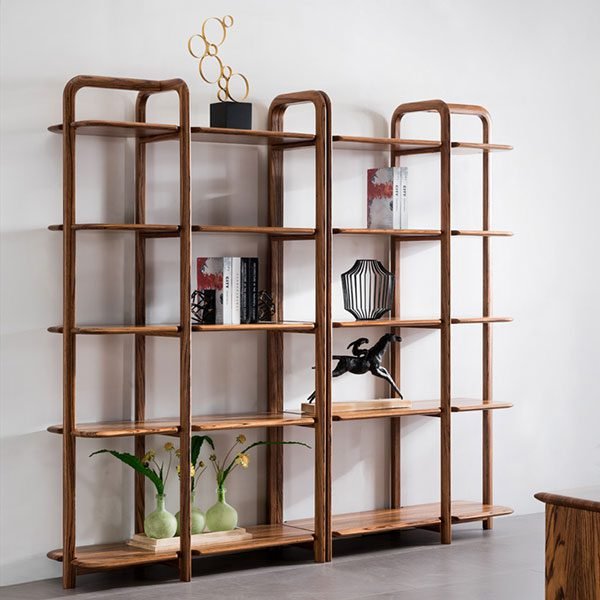
Harmony is another important aspect of traditional Chinese design that can be seen in Guangzhou furniture. The use of natural materials, such as wood and bamboo, is common in the creation of furniture. These materials not only add a touch of nature to the pieces but also create a sense of harmony with the surrounding environment. The smooth lines and curves of the furniture further enhance this feeling of harmony, creating a cohesive and visually pleasing design.
Symbolism is deeply rooted in traditional Chinese culture, and it is also reflected in Guangzhou furniture. Many furniture pieces are adorned with intricate carvings and motifs that carry symbolic meanings. For example, the dragon, a symbol of power and strength, is often depicted in the carvings of Guangzhou furniture. Other common symbols include the phoenix, which represents beauty and grace, and the lotus flower, which symbolizes purity and enlightenment. These symbolic elements not only add visual interest to the furniture but also convey deeper meanings and cultural significance.
The influence of traditional Chinese design on Guangzhou furniture extends beyond aesthetics. Traditional Chinese design principles also emphasize functionality and practicality. Guangzhou furniture is designed to be not only visually appealing but also comfortable and durable. The ergonomic design of chairs and sofas ensures maximum comfort, while the use of high-quality materials ensures longevity. This combination of beauty and functionality is a hallmark of Guangzhou furniture.
In recent years, there has been a resurgence of interest in traditional Chinese design, both in China and internationally. This has led to a renewed appreciation for Guangzhou furniture and its unique blend of traditional Chinese design elements. Many designers and furniture manufacturers are now incorporating traditional Chinese design principles into their creations, resulting in a fusion of traditional and contemporary styles.
In conclusion, the influence of traditional Chinese design on Guangzhou furniture is undeniable. The principles of balance, harmony, and symbolism have shaped the creation of furniture pieces that are not only visually stunning but also functional and durable. The rich history of traditional Chinese design in Guangzhou furniture continues to inspire and influence designers and furniture manufacturers today. As the world becomes more interconnected, the appreciation for traditional Chinese design and its influence on Guangzhou furniture is likely to grow even further.
The Evolution of Traditional Chinese Design Elements in Guangzhou Furniture
The Influence of Traditional Chinese Design on Guangzhou Furniture
The Evolution of Traditional Chinese Design Elements in Guangzhou Furniture
Guangzhou, a city in southern China, has a rich history of furniture making. Over the centuries, the city has been influenced by various design styles, including traditional Chinese design. This article will explore the evolution of traditional Chinese design elements in Guangzhou furniture.
One of the key elements of traditional Chinese design is the use of natural materials. In Guangzhou furniture, this can be seen in the use of wood, bamboo, and rattan. These materials not only provide durability but also give a sense of warmth and harmony to the furniture pieces. The use of natural materials is a reflection of the Chinese philosophy of living in harmony with nature.
Another important aspect of traditional Chinese design is the emphasis on simplicity and minimalism. Guangzhou furniture often features clean lines and minimal ornamentation. This simplicity allows the natural beauty of the materials to shine through. It also creates a sense of tranquility and calmness in the living space.
Traditional Chinese design also places great importance on balance and symmetry. This can be seen in the symmetrical arrangement of furniture pieces in a room. Guangzhou furniture often follows this principle, with chairs, tables, and cabinets arranged in a balanced and harmonious way. This creates a sense of order and stability in the living space.
In addition to balance and symmetry, traditional Chinese design also incorporates symbolism. Many Guangzhou furniture pieces feature intricate carvings and motifs that carry symbolic meanings. For example, the dragon symbolizes power and strength, while the phoenix represents beauty and grace. These symbolic elements add depth and meaning to the furniture pieces, making them more than just functional objects.
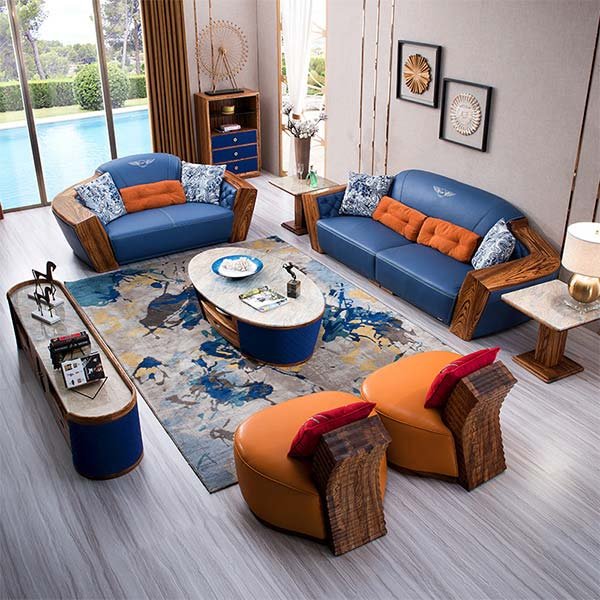
Over time, traditional Chinese design elements have evolved in Guangzhou furniture. While the basic principles of natural materials, simplicity, balance, and symbolism remain, there have been innovations and adaptations to suit modern tastes and lifestyles. For example, contemporary Guangzhou furniture may incorporate elements of Western design, such as sleek lines and bold colors, while still maintaining the essence of traditional Chinese design.
The evolution of traditional Chinese design elements in Guangzhou furniture is a testament to the city’s rich cultural heritage. It is a fusion of tradition and innovation, creating furniture pieces that are not only functional but also aesthetically pleasing. Whether it is a classic wooden chair or a modern bamboo table, Guangzhou furniture continues to showcase the influence of traditional Chinese design.
In conclusion, the influence of traditional Chinese design on Guangzhou furniture is undeniable. The use of natural materials, simplicity, balance, and symbolism are all key elements that have shaped the evolution of Guangzhou furniture. This fusion of tradition and innovation has resulted in furniture pieces that are not only functional but also beautiful. Whether you are a fan of traditional or contemporary design, Guangzhou furniture offers something for everyone.
Unveiling the Cultural Significance of Traditional Chinese Design in Guangzhou Furniture
The Influence of Traditional Chinese Design on Guangzhou Furniture
Unveiling the Cultural Significance of Traditional Chinese Design in Guangzhou Furniture
Guangzhou, a city in southern China, is renowned for its rich cultural heritage and exquisite craftsmanship. One aspect that stands out is the influence of traditional Chinese design on Guangzhou furniture. This article aims to explore the cultural significance of traditional Chinese design in Guangzhou furniture, highlighting its unique characteristics and the impact it has had on the local industry.
Traditional Chinese design is deeply rooted in the country’s history and philosophy. It embodies the principles of balance, harmony, and the pursuit of beauty. These principles are reflected in every aspect of traditional Chinese design, including furniture. Guangzhou, being a major center for furniture production, has embraced and incorporated these design elements into its own unique style.
One of the key characteristics of traditional Chinese design in Guangzhou furniture is the use of natural materials. Wood, particularly rosewood and mahogany, is the preferred choice for crafting furniture. These materials not only lend durability to the furniture but also exude a sense of warmth and elegance. The natural grains and textures of the wood are often showcased, adding to the overall aesthetic appeal.
Another prominent feature of traditional Chinese design in Guangzhou furniture is the intricate craftsmanship. Skilled artisans meticulously carve and engrave intricate patterns and motifs onto the furniture, showcasing their expertise and attention to detail. These patterns often depict traditional Chinese symbols, such as dragons, phoenixes, and lotus flowers, which hold deep cultural significance.
The use of symbolism is another aspect that sets traditional Chinese design apart. Each symbol carries a specific meaning and is believed to bring good fortune and prosperity. For example, the dragon symbolizes power and strength, while the phoenix represents beauty and grace. These symbols are incorporated into the design of Guangzhou furniture, not only for their aesthetic appeal but also to convey positive energy and blessings to the owners.
In addition to symbolism, traditional Chinese design also emphasizes the concept of balance and harmony. Furniture pieces are carefully proportioned and balanced, creating a sense of visual harmony. The use of symmetrical patterns and shapes further enhances this balance. This attention to detail ensures that every piece of Guangzhou furniture is not only functional but also visually pleasing.
The influence of traditional Chinese design on Guangzhou furniture extends beyond aesthetics. It also encompasses the philosophy of sustainable living. Traditional Chinese design emphasizes the use of natural materials and the integration of furniture with the surrounding environment. This approach promotes a harmonious coexistence with nature, reflecting the Chinese belief in the interconnectedness of all things.
In conclusion, the influence of traditional Chinese design on Guangzhou furniture is undeniable. The incorporation of natural materials, intricate craftsmanship, symbolism, and the pursuit of balance and harmony all contribute to the unique cultural significance of Guangzhou furniture. This fusion of traditional Chinese design elements with local craftsmanship has not only shaped the furniture industry in Guangzhou but also serves as a testament to the enduring beauty and cultural heritage of Chinese design.
Заключение
Заключение: Влияние традиционного китайского дизайна на мебель Гуанчжоу является значительным. Традиционные элементы, такие как изящные линии, гравировка и использование драгоценных пород дерева, присутствуют в мебели Гуанчжоу, отражая богатую культурную и историческую наследие Китая. Это влияние помогает сохранить уникальность и привлекательность мебели Гуанчжоу, делая ее популярной как внутри страны, так и за ее пределами.