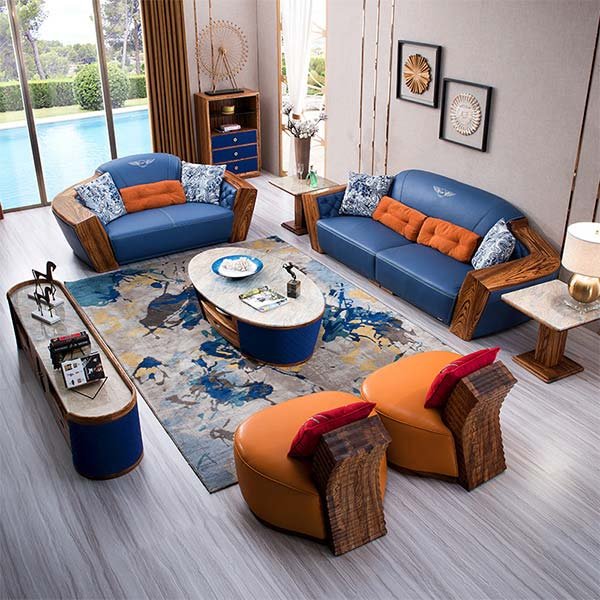
“Harmonize your bedroom with the perfect blend of wood tones.”
Choosing a dominant wood tone for your bedroom furniture
Choosing a dominant wood tone for your bedroom furniture is an important decision that can greatly impact the overall aesthetic of your space. With so many options available, it can be overwhelming to know where to start. In this article, we will discuss some tips and tricks for mixing wood tones in your bedroom furniture to create a cohesive and visually appealing look.
When selecting a dominant wood tone for your bedroom furniture, it is important to consider the existing elements in your space. Take note of the flooring, trim, and any other wood furniture pieces you may already have. This will help guide your decision and ensure that your new furniture complements the existing elements in your room.
One approach to mixing wood tones is to choose a dominant wood tone that matches or closely resembles the existing wood in your space. This will create a harmonious and cohesive look, as the different wood tones will blend seamlessly together. For example, if you have oak flooring, consider selecting bedroom furniture in a similar oak finish.
Another option is to choose a dominant wood tone that contrasts with the existing wood in your space. This can create a more dynamic and visually interesting look. For example, if you have dark walnut flooring, consider selecting bedroom furniture in a lighter wood tone, such as birch or maple. The contrast between the dark flooring and lighter furniture will create a striking and modern look.
In addition to considering the existing wood in your space, it is also important to consider the overall style and color scheme of your bedroom. If you have a more traditional or rustic style, consider selecting bedroom furniture in warm, earthy tones such as cherry or mahogany. These rich wood tones will add warmth and depth to your space.
On the other hand, if you have a more modern or contemporary style, consider selecting bedroom furniture in cooler, lighter wood tones such as ash or beech. These lighter wood tones will create a clean and minimalist look that is characteristic of modern design.
When mixing wood tones in your bedroom furniture, it is important to create a sense of balance and harmony. One way to achieve this is by incorporating other elements in your space that tie the different wood tones together. For example, you can use accessories such as rugs, curtains, or artwork that feature colors or patterns that complement both wood tones.
Additionally, consider using transitional pieces of furniture that combine different wood tones. For example, a nightstand or dresser with a combination of oak and walnut can help bridge the gap between different wood tones in your space.
In conclusion, choosing a dominant wood tone for your bedroom furniture is an important decision that can greatly impact the overall aesthetic of your space. By considering the existing wood in your space, the overall style and color scheme of your bedroom, and incorporating transitional pieces and accessories, you can successfully mix wood tones in your bedroom furniture to create a cohesive and visually appealing look. So go ahead and experiment with different wood tones to create a bedroom that is uniquely yours.
Incorporating contrasting wood tones for added visual interest
Incorporating contrasting wood tones for added visual interest
When it comes to designing your bedroom, one of the key elements to consider is the furniture. The right furniture can make a huge difference in the overall look and feel of the space. One way to add visual interest to your bedroom furniture is by mixing different wood tones. This can create a unique and dynamic look that is sure to impress. In this article, we will explore some tips and tricks for successfully mixing wood tones in your bedroom furniture.
First and foremost, it is important to choose a dominant wood tone. This will serve as the anchor for the rest of the furniture pieces in the room. The dominant wood tone should be the one that you want to stand out the most. For example, if you have a beautiful mahogany bed frame, you may want to choose other furniture pieces in lighter wood tones to create contrast.
Once you have chosen your dominant wood tone, it’s time to start incorporating contrasting wood tones. One way to do this is by choosing furniture pieces in complementary wood tones. For example, if your dominant wood tone is a rich cherry, you may want to consider adding a dresser in a lighter oak or a nightstand in a darker walnut. This will create a visually interesting mix of wood tones that will add depth and dimension to your bedroom.
Another way to mix wood tones is by using accessories and accents. This can be done through the use of wood accents such as picture frames, mirrors, or even a wooden headboard. By incorporating these smaller pieces, you can add pops of different wood tones throughout the room without overwhelming the space.
When mixing wood tones, it is important to consider the overall color scheme of your bedroom. If you have a neutral color palette, such as whites and grays, you can be more adventurous with your wood choices. However, if you have a bold or vibrant color scheme, it may be best to stick with more subtle wood tones to avoid clashing.
In addition to considering the color scheme, it is also important to consider the style of your bedroom furniture. Mixing wood tones can work well in a variety of styles, from traditional to modern. However, it is important to ensure that the different wood tones complement each other and fit within the overall aesthetic of the room. For example, if you have a mid-century modern bedroom, you may want to choose furniture pieces in lighter wood tones with clean lines and minimalistic designs.
In conclusion, mixing wood tones in your bedroom furniture can add visual interest and create a unique and dynamic look. By choosing a dominant wood tone and incorporating contrasting wood tones through furniture pieces and accessories, you can create a visually stunning space. Just remember to consider the overall color scheme and style of your bedroom to ensure a cohesive and harmonious design. So go ahead, get creative, and mix those wood tones for a bedroom that is truly one-of-a-kind.
Using accessories and textiles to tie together different wood tones
Wood furniture can add warmth and character to any bedroom, but mixing different wood tones can be a challenge. However, with the right accessories and textiles, you can create a cohesive and stylish look. In this article, we will explore some tips and tricks for successfully mixing wood tones in your bedroom furniture.
One way to tie together different wood tones is by using accessories. For example, you can choose a rug that incorporates all the wood tones in your bedroom. This will create a visual connection between the different pieces of furniture. Additionally, you can use throw pillows or blankets in coordinating colors to bring the look together. By strategically placing these accessories throughout the room, you can create a sense of unity.
Another way to mix wood tones is by using textiles. Curtains, bedspreads, and upholstery can all play a role in tying together different wood finishes. For instance, if you have a dark wood bed frame and a light wood dresser, you can choose curtains or a bedspread that incorporates both colors. This will create a harmonious balance in the room. Additionally, you can use upholstery in a coordinating color to bring the different wood tones together.
When mixing wood tones, it’s important to consider the overall color scheme of your bedroom. If you have a neutral color palette, you can experiment with different wood finishes more easily. However, if you have a bold or vibrant color scheme, it’s best to stick with one or two wood tones to avoid overwhelming the space. By keeping the color scheme in mind, you can create a balanced and visually pleasing bedroom.
In addition to accessories and textiles, lighting can also play a role in tying together different wood tones. By choosing lamps or light fixtures in a coordinating finish, you can create a cohesive look. For example, if you have a light wood nightstand and a dark wood dresser, you can choose lamps with a similar wood finish. This will create a sense of unity and balance in the room.
Lastly, don’t be afraid to mix different styles of wood furniture. Mixing modern and traditional pieces can create an interesting and eclectic look. However, it’s important to choose pieces that have a similar color or finish to create a cohesive look. By mixing different styles, you can add depth and personality to your bedroom.
In conclusion, mixing wood tones in your bedroom furniture can be a fun and creative process. By using accessories, textiles, and lighting, you can create a cohesive and stylish look. Remember to consider the overall color scheme of your bedroom and don’t be afraid to mix different styles. With these tips and tricks, you can successfully mix wood tones in your bedroom furniture and create a space that is both visually appealing and inviting.
Заключение
Заключение: Чтобы успешно сочетать разные оттенки дерева в мебели спальни, следует придерживаться нескольких принципов. Во-первых, выберите основной оттенок дерева, который будет преобладать в комнате. Затем добавьте акцентные элементы с другими оттенками дерева, чтобы создать визуальный интерес. Важно также учитывать стиль и общую цветовую палитру комнаты при выборе деревянной мебели. Использование разных текстур и оттенков дерева может добавить глубину и теплоту в интерьер спальни.