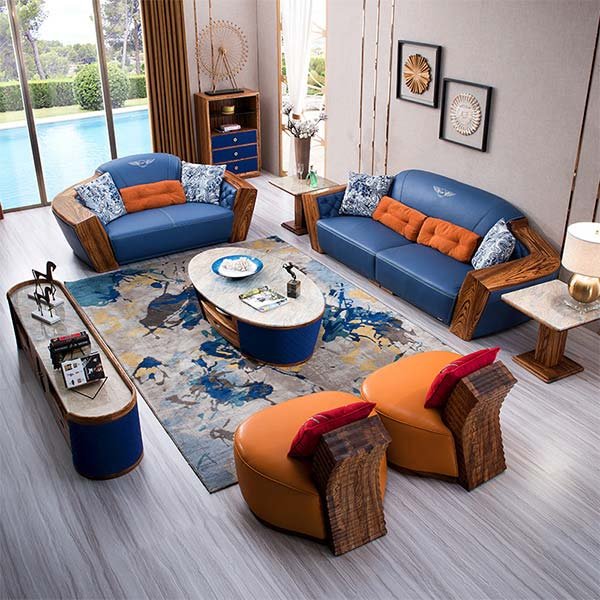
“Discover the Value in Wooden Sofas: Unveiling the Cost Variations with Understanding”
Comparing the Price Range of Solid Wood Sofas vs. Engineered Wood Sofas
Comparing the Price Range of Solid Wood Sofas vs. Engineered Wood Sofas
When it comes to choosing a wooden sofa, one of the factors that often comes into play is the cost. Wooden sofas can vary greatly in price, depending on the type of wood used and the construction method. In this article, we will compare the price range of solid wood sofas versus engineered wood sofas, helping you understand the cost differences between these two options.
Solid wood sofas are known for their durability and natural beauty. They are made from a single piece of wood, such as oak, mahogany, or teak. Due to their high-quality materials and craftsmanship, solid wood sofas tend to be more expensive than their engineered wood counterparts. The price range for solid wood sofas can vary greatly, starting from a few hundred dollars and going up to several thousand dollars, depending on the brand, design, and wood type.
On the other hand, engineered wood sofas are made from a combination of real wood and other materials, such as plywood or particleboard. These materials are layered together and then covered with a veneer of real wood to give the appearance of solid wood. Engineered wood sofas are generally more affordable than solid wood sofas, with prices ranging from around a hundred dollars to a few thousand dollars.
The lower cost of engineered wood sofas can be attributed to the use of less expensive materials and the manufacturing process. Engineered wood is often made from scraps or leftover wood, making it a more cost-effective option. Additionally, the construction method used for engineered wood sofas allows for mass production, reducing labor costs and ultimately lowering the price for consumers.
While solid wood sofas may have a higher price tag, they offer several advantages that justify the cost. Solid wood is known for its strength and durability, making these sofas a long-term investment. They are less prone to damage and can withstand years of use without losing their structural integrity. Solid wood sofas also have a timeless appeal and can add a touch of elegance to any living space.
On the other hand, engineered wood sofas may not have the same level of durability as solid wood sofas. The veneer used on engineered wood can chip or peel over time, exposing the underlying layers. However, with proper care and maintenance, engineered wood sofas can still last for many years.
In conclusion, when comparing the price range of solid wood sofas versus engineered wood sofas, it is clear that solid wood sofas tend to be more expensive. This is due to the high-quality materials and craftsmanship involved in their production. However, solid wood sofas offer durability, natural beauty, and a timeless appeal that make them a worthwhile investment. On the other hand, engineered wood sofas are more affordable and can still provide a stylish and functional seating option. Ultimately, the choice between the two will depend on your budget, personal preferences, and the level of durability you require.
Exploring the Factors Affecting the Cost of Handcrafted Wooden Sofas
Understanding the Cost Differences Between Wooden Sofa Types
Exploring the Factors Affecting the Cost of Handcrafted Wooden Sofas
Wooden sofas are a popular choice for many homeowners due to their timeless appeal and durability. However, when it comes to purchasing a wooden sofa, the cost can vary significantly depending on various factors. In this article, we will delve into the factors that affect the cost of handcrafted wooden sofas, helping you understand the differences and make an informed decision.
One of the primary factors that influence the cost of a handcrafted wooden sofa is the type of wood used. Different types of wood have varying levels of quality, durability, and aesthetic appeal. Hardwoods such as oak, mahogany, and teak are known for their strength and longevity, making them more expensive compared to softwoods like pine or cedar. The rarity and availability of the wood also play a role in determining its cost. Exotic woods that are harder to source will naturally be more expensive.
Another factor to consider is the craftsmanship involved in creating the wooden sofa. Handcrafted wooden sofas require skilled artisans who meticulously shape and assemble each piece. The level of detail and intricacy in the design can significantly impact the cost. Sofas with intricate carvings or unique designs will generally be more expensive due to the additional time and effort required to create them.
The size and complexity of the sofa also affect its cost. Larger sofas require more materials and labor, making them pricier. Additionally, sofas with additional features such as reclining mechanisms or built-in storage compartments will have a higher price tag due to the added functionality.
The finish and upholstery of the wooden sofa are also important factors to consider. The type of finish applied to the wood, such as varnish or lacquer, can enhance its appearance and protect it from wear and tear. High-quality finishes tend to be more expensive but offer better durability and longevity. Similarly, the choice of upholstery fabric or leather can significantly impact the cost. Premium materials like genuine leather or designer fabrics will increase the overall price of the sofa.
Furthermore, the brand and reputation of the manufacturer can influence the cost of a handcrafted wooden sofa. Established brands with a history of producing high-quality furniture often command higher prices due to their reputation and craftsmanship. However, it is essential to note that lesser-known brands or local artisans may offer equally well-crafted sofas at a more affordable price.
In conclusion, understanding the factors that affect the cost of handcrafted wooden sofas is crucial when making a purchasing decision. The type of wood, craftsmanship, size, finish, upholstery, and brand reputation all play a role in determining the price. By considering these factors, you can find a wooden sofa that fits your budget while still meeting your desired quality and aesthetic preferences. Remember to research and compare different options to ensure you make an informed choice that will bring both comfort and style to your home.
Analyzing the Long-Term Value of Investing in Different Types of Wooden Sofas
Understanding the Cost Differences Between Wooden Sofa Types
When it comes to furnishing your living room, a wooden sofa is a classic and timeless choice. However, not all wooden sofas are created equal, and understanding the cost differences between different types of wooden sofas is essential before making a purchase. In this article, we will analyze the long-term value of investing in different types of wooden sofas, helping you make an informed decision.
Firstly, let’s discuss the most common types of wooden sofas available in the market. Hardwood sofas, such as those made from oak, mahogany, or teak, are known for their durability and strength. These sofas are often more expensive due to the high-quality wood used in their construction. On the other hand, softwood sofas, like those made from pine or cedar, are generally more affordable but may not be as durable as their hardwood counterparts.
When considering the long-term value of investing in a wooden sofa, it is crucial to evaluate its durability. Hardwood sofas, although pricier, tend to last longer and withstand wear and tear better than softwood sofas. This means that while you may initially pay more for a hardwood sofa, it will likely save you money in the long run as you won’t have to replace it as frequently.
Another factor to consider is the maintenance required for different types of wooden sofas. Hardwood sofas typically require less maintenance, as they are less prone to scratches and dents. Softwood sofas, on the other hand, may require more frequent repairs and refinishing to maintain their appearance. It is important to factor in the cost of maintenance when comparing the overall value of different wooden sofa types.
Additionally, the aesthetic appeal of a wooden sofa can greatly impact its cost. Exotic hardwoods, such as teak or rosewood, are often more expensive due to their unique grain patterns and rich colors. These luxurious materials can add a touch of elegance to your living room but come at a higher price tag. If you are on a budget, opting for a more common hardwood, like oak or maple, can still provide a beautiful and durable sofa without breaking the bank.
Furthermore, the craftsmanship and design of a wooden sofa can also affect its cost. Handcrafted sofas, made by skilled artisans, are often more expensive due to the time and effort put into their creation. These sofas can be considered an investment piece, as they are not only functional but also works of art. However, if you are looking for a more affordable option, machine-made wooden sofas can still offer quality and comfort at a lower price point.
In conclusion, understanding the cost differences between different types of wooden sofas is crucial when making a purchasing decision. Hardwood sofas, although more expensive, offer greater durability and require less maintenance in the long run. Exotic hardwoods and handcrafted designs can add to the cost but also enhance the aesthetic appeal of your living room. Ultimately, it is important to consider your budget, desired durability, and aesthetic preferences when choosing the right wooden sofa for your home.
Заключение
Заключение: Понимание различий в стоимости между различными типами деревянных диванов является важным аспектом при выборе мебели. Разные типы дерева имеют разные стоимости, влияющие на общую стоимость дивана. Кроме того, стоимость может быть также определена качеством и дизайном дивана. Покупатели должны учитывать свои предпочтения, бюджет и требования к долговечности и внешнему виду, чтобы принять информированное решение о покупке деревянного дивана.