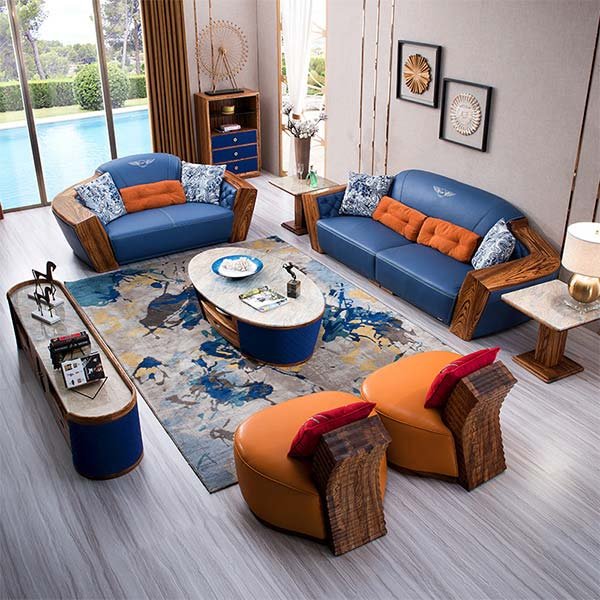
“Harmonize your space with the perfect blend of wooden elegance and captivating wall art.”
Choosing a color scheme that complements both the wooden sofa and the wall art
Choosing a color scheme that complements both the wooden sofa and the wall art is essential to create a cohesive and visually appealing living space. The right combination of colors can enhance the overall aesthetic and bring harmony to the room. In this article, we will explore some tips on how to coordinate a wooden sofa with wall art.
Firstly, it is important to consider the existing color palette in the room. Take a look at the colors of the walls, flooring, and other furniture pieces. This will serve as a starting point for selecting a color scheme that complements both the wooden sofa and the wall art. If the walls are painted in a neutral color, such as white or beige, you have more flexibility in choosing the colors for the sofa and wall art.
One approach is to select a color scheme that is harmonious with the natural tones of the wooden sofa. For example, if the sofa has warm undertones, such as reddish-brown or honey, consider choosing wall art in complementary warm colors, such as shades of orange or yellow. This will create a cohesive and inviting atmosphere in the room.
On the other hand, if you prefer a contrasting color scheme, opt for wall art in cool tones, such as blues or greens, to balance out the warmth of the wooden sofa. This creates a visually striking contrast that can add depth and interest to the space. However, be mindful of the intensity of the colors. Too much contrast can create a jarring effect, so it is important to find the right balance.
Another factor to consider is the style of the wall art. If you have a modern or contemporary wooden sofa, you may want to choose wall art that reflects the same aesthetic. Look for abstract or minimalist pieces that have clean lines and simple color palettes. On the other hand, if your wooden sofa has a more traditional or rustic style, consider selecting wall art that features landscapes, still life, or other classic motifs.
In addition to color and style, scale and proportion are also important considerations. The size of the wall art should be proportional to the size of the sofa and the wall it will be displayed on. A large, bold piece of wall art can serve as a focal point and create a dramatic effect, while smaller pieces can be arranged in a gallery wall for a more eclectic look.
Lastly, don’t forget about lighting. Proper lighting can enhance the colors and textures of both the wooden sofa and the wall art. Consider installing accent lighting or using lamps to highlight specific areas or pieces. This will create a visually dynamic and inviting atmosphere in the room.
In conclusion, coordinating a wooden sofa with wall art involves selecting a color scheme that complements both elements, considering the style and scale of the wall art, and paying attention to lighting. By following these tips, you can create a harmonious and visually appealing living space that showcases your personal style and taste.
Incorporating similar textures or materials in both the wooden sofa and the wall art
Incorporating similar textures or materials in both the wooden sofa and the wall art can create a cohesive and visually appealing look in your living space. By coordinating these elements, you can achieve a harmonious and balanced design. This article will guide you on how to coordinate a wooden sofa with wall art, focusing on incorporating similar textures or materials.
One way to coordinate a wooden sofa with wall art is by selecting pieces that share the same material. For example, if your wooden sofa has a rich mahogany finish, consider choosing wall art that features wood accents or frames. This will create a sense of unity and continuity in the room. Additionally, the natural warmth and beauty of wood can add a touch of elegance to your space.
Another option is to incorporate similar textures in both the wooden sofa and the wall art. If your sofa has a smooth and polished surface, opt for wall art that has a sleek and glossy finish. This will create a cohesive look and add a sense of sophistication to your living area. On the other hand, if your wooden sofa has a more rustic or distressed texture, consider choosing wall art that features rough or textured surfaces. This will create a visually interesting contrast and add depth to your space.
When coordinating a wooden sofa with wall art, it’s important to consider the color palette as well. Choose wall art that complements the color of your wooden sofa. If your sofa has a dark stain, consider selecting wall art with warm and earthy tones such as deep reds, oranges, or browns. This will create a cozy and inviting atmosphere. Alternatively, if your wooden sofa has a lighter finish, opt for wall art with cool and neutral colors like blues, grays, or whites. This will create a fresh and airy feel in your living space.
In addition to coordinating textures and colors, consider the style and theme of your wooden sofa and wall art. If your sofa has a traditional or classic design, choose wall art that reflects the same aesthetic. This could include paintings or prints of landscapes, portraits, or still life. On the other hand, if your wooden sofa has a more contemporary or modern look, opt for wall art with abstract or geometric designs. This will create a sense of visual interest and add a touch of modernity to your space.
To tie everything together, consider the placement of your wall art in relation to your wooden sofa. Hang the art at eye level, ensuring that it is centered and balanced with the sofa. This will create a focal point and draw attention to both the sofa and the wall art. Additionally, consider the size and scale of the wall art in relation to the sofa. If your sofa is large and spacious, choose larger pieces of wall art to create a sense of proportion. Conversely, if your sofa is smaller, opt for smaller or medium-sized wall art to maintain balance.
In conclusion, coordinating a wooden sofa with wall art can enhance the overall aesthetic of your living space. By incorporating similar textures or materials, selecting complementary colors, and considering the style and placement of the wall art, you can create a cohesive and visually appealing design. Remember to choose pieces that reflect your personal style and preferences, and have fun experimenting with different combinations.
Using contrasting elements to create visual interest between the wooden sofa and the wall art
Using contrasting elements to create visual interest between the wooden sofa and the wall art can be a great way to add depth and personality to your living space. By carefully coordinating these two elements, you can create a cohesive and visually appealing design. In this article, we will explore some tips and ideas on how to achieve this.
One way to create visual interest is by using contrasting colors. If your wooden sofa has a warm tone, such as oak or mahogany, consider choosing wall art with cool colors, such as blues or greens. This contrast will make both the sofa and the wall art stand out and create a dynamic look in your room. On the other hand, if your sofa has a cool tone, such as ash or walnut, opt for warm-colored wall art, such as oranges or yellows.
Another way to create contrast is by playing with different textures. If your wooden sofa has a smooth finish, consider choosing wall art with a textured surface, such as a canvas painting or a woven tapestry. This will add depth and visual interest to your space. Conversely, if your sofa has a textured finish, such as a distressed or reclaimed wood look, opt for wall art with a smoother surface, such as a framed photograph or a sleek metal sculpture.
In addition to contrasting colors and textures, you can also create visual interest by playing with different styles. If your wooden sofa has a traditional or classic design, consider choosing wall art with a modern or abstract style. This juxtaposition of styles will create a visually striking and unique look in your room. On the other hand, if your sofa has a contemporary or minimalist design, opt for wall art with a more traditional or vintage style. This contrast will add a touch of elegance and sophistication to your space.
When coordinating a wooden sofa with wall art, it is important to consider the size and scale of both elements. If your sofa is large and bulky, choose wall art that is equally substantial in size. This will create a balanced and harmonious look in your room. Conversely, if your sofa is small and delicate, opt for wall art that is more petite and understated. This will create a sense of proportion and balance in your space.
Lastly, don’t forget to consider the overall theme or mood you want to create in your room. If you want a cozy and rustic feel, choose wall art with natural elements, such as landscapes or botanical prints. If you prefer a more eclectic and vibrant look, opt for wall art with bold colors and abstract designs. By aligning the theme of your wall art with the style of your wooden sofa, you can create a cohesive and visually pleasing design.
In conclusion, coordinating a wooden sofa with wall art can be a fun and creative way to enhance the visual appeal of your living space. By using contrasting elements, such as colors, textures, and styles, you can create a dynamic and visually striking design. Remember to consider the size and scale of both elements, as well as the overall theme or mood you want to create. With these tips and ideas, you can create a cohesive and visually appealing look in your room.
Заключение
Заключение: Чтобы согласовать деревянный диван с художественным оформлением стены, рекомендуется учитывать следующие факторы:
1. Цветовая гамма: выберите диван, который сочетается с основными цветами на художественной стене. Если стена имеет яркие или насыщенные цвета, то диван лучше выбрать в более нейтральных оттенках, чтобы не создавать конфликт визуальных элементов.
2. Стиль: убедитесь, что стиль дивана соответствует общему стилю художественного оформления стены. Например, если стена имеет современный или минималистический дизайн, то лучше выбрать диван с чистыми линиями и простым дизайном.
3. Материалы: обратите внимание на материалы, используемые в диване и на стене. Если стена выполнена из натуральных материалов, таких как камень или дерево, то диван из дерева будет хорошим выбором, чтобы создать единый и гармоничный образ.
4. Размер и пропорции: учитывайте размеры дивана и его пропорции относительно стены. Диван не должен быть слишком маленьким или слишком большим по сравнению с размерами художественного оформления стены. Старайтесь достичь баланса и гармонии между ними.
В целом, важно создать гармоничное сочетание между деревянным диваном и художественным оформлением стены, учитывая цвета, стиль, материалы и пропорции. Это поможет создать приятную и эстетически привлекательную обстановку в помещении.