“Embrace the warmth of nature with a wooden sofa, as your living room becomes a haven of timeless elegance.”
Choosing the right color palette to complement the wooden sofa
Choosing the right color palette to complement a wooden sofa is essential in creating a cohesive and visually appealing living room design. The color scheme you choose can greatly impact the overall ambiance and style of the space. In this article, we will explore some tips and ideas on how to design a living room around a wooden sofa, focusing specifically on selecting the perfect color palette.
When it comes to choosing colors for your living room, it is important to consider the natural tones and textures of the wooden sofa. Wood has warm undertones, so it is best to opt for colors that will enhance its natural beauty. Neutral colors such as beige, cream, and taupe are great options as they create a calming and timeless look. These colors also provide a versatile backdrop that allows you to easily incorporate different accent colors and accessories.
Another option is to go for earthy tones that complement the warmth of the wooden sofa. Colors like olive green, terracotta, and deep browns can create a cozy and inviting atmosphere. These colors work particularly well in rustic or bohemian-inspired living rooms. To add depth and interest, consider incorporating different shades and textures within the same color family.
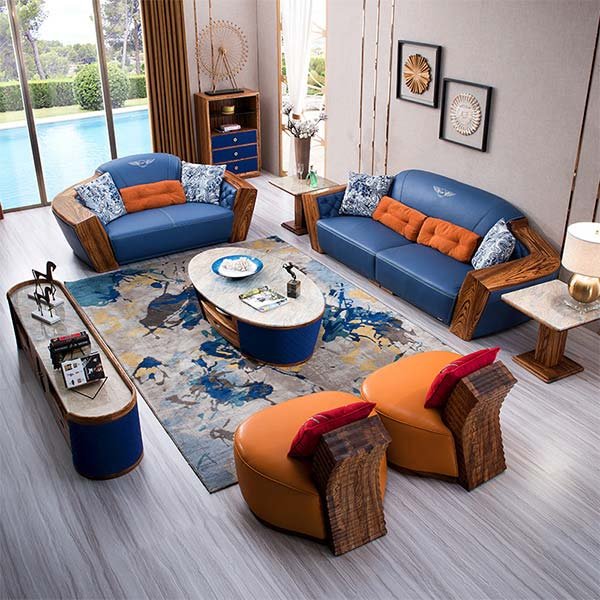
If you prefer a more vibrant and energetic look, you can opt for a contrasting color palette. Bold colors like navy blue, emerald green, or deep red can create a striking contrast against the wooden sofa. However, it is important to use these colors sparingly to avoid overwhelming the space. Consider using them as accent colors through throw pillows, rugs, or artwork.
In addition to considering the color of the wooden sofa, it is also important to take into account the size of the living room. Lighter colors tend to make a space feel larger and more open, while darker colors can create a cozy and intimate atmosphere. If you have a small living room, opting for lighter shades will help maximize the perceived space. On the other hand, if you have a large living room, darker colors can add depth and create a more intimate setting.
When choosing a color palette, it is also important to consider the overall style and theme of your living room. If you have a modern or minimalist design, a monochromatic color scheme with shades of gray or white can create a sleek and sophisticated look. For a more eclectic or bohemian style, you can experiment with bold and vibrant colors.
To tie the color palette together, consider incorporating different textures and patterns. Mixing different fabrics, such as velvet, linen, or leather, can add visual interest and depth to the space. Additionally, incorporating patterns through throw pillows, curtains, or rugs can create a dynamic and layered look.
In conclusion, choosing the right color palette to complement a wooden sofa is crucial in designing a cohesive and visually appealing living room. Whether you opt for neutral tones, earthy colors, or bold contrasts, it is important to consider the natural tones and textures of the wooden sofa. Additionally, taking into account the size of the living room and the overall style and theme will help create a harmonious and inviting space. By carefully selecting colors, textures, and patterns, you can design a living room that showcases the beauty of your wooden sofa while creating a comfortable and stylish environment.
Incorporating different textures and materials in the room to create visual interest
Incorporating different textures and materials in the room to create visual interest
When it comes to designing a living room, one of the key elements to consider is the furniture. And if you have a wooden sofa, you have a great starting point for creating a stylish and inviting space. But how do you design a living room around a wooden sofa? One way is to incorporate different textures and materials in the room to create visual interest.
One way to add texture to your living room is by using different types of fabrics. Consider adding throw pillows in various patterns and textures, such as velvet, linen, or faux fur. These pillows not only provide comfort but also add visual interest to the space. You can also use different types of upholstery for your chairs and ottomans, such as leather or suede, to create a contrast with the wooden sofa.
Another way to incorporate different textures is by using rugs and carpets. A plush, shaggy rug can add warmth and softness to the room, while a patterned or textured carpet can create visual interest. Place the rug or carpet under the wooden sofa to anchor the space and define the seating area. This will not only add texture but also create a cozy and inviting atmosphere.
In addition to fabrics and rugs, you can also incorporate different materials in the room. For example, consider adding a coffee table made of glass or metal to contrast with the wooden sofa. This will create a modern and sleek look. You can also add side tables or shelves made of materials like marble or brass to add a touch of elegance and sophistication to the space.
When incorporating different textures and materials, it’s important to keep the overall color scheme in mind. Choose colors that complement the wooden sofa and create a cohesive look. For example, if your wooden sofa has a warm tone, consider using fabrics and materials in shades of beige, brown, or gold. If your wooden sofa has a cool tone, opt for colors like gray, blue, or silver.
To tie everything together, use transitional phrases to guide the reader through the article. For example, “In addition to fabrics and rugs, you can also incorporate different materials in the room.” This helps to smoothly transition from one idea to the next, keeping the reader engaged and interested.
In conclusion, designing a living room around a wooden sofa can be a fun and creative process. By incorporating different textures and materials, you can create a visually interesting space that is both stylish and inviting. Remember to choose fabrics, rugs, and materials that complement the wooden sofa and create a cohesive look. With a little bit of planning and creativity, you can design a living room that showcases your wooden sofa in the best possible way.
Selecting the appropriate furniture and accessories to enhance the overall design aesthetic
Selecting the appropriate furniture and accessories to enhance the overall design aesthetic is crucial when designing a living room around a wooden sofa. The right choices can create a harmonious and inviting space, while the wrong ones can disrupt the balance and feel of the room. In this article, we will explore some tips and ideas on how to design a living room around a wooden sofa.
First and foremost, it is important to choose a wooden sofa that complements the style and color scheme of the room. Whether you prefer a modern or traditional look, there are various options available to suit your taste. Consider the size and shape of the sofa as well, ensuring that it fits well within the space and allows for comfortable seating.
Once you have selected the wooden sofa, it is time to think about the other furniture pieces that will accompany it. A coffee table is a must-have in any living room, and it should be chosen with care. Opt for a table that matches the style of the sofa and provides enough surface area for drinks, books, and other items. Additionally, consider adding side tables or accent chairs to complete the seating arrangement and provide additional functionality.
In terms of accessories, rugs play a significant role in tying the room together. A well-chosen rug can add warmth and texture to the space while also defining the seating area. Opt for a rug that complements the color scheme of the room and is large enough to accommodate the sofa and other furniture pieces.
Lighting is another crucial aspect of designing a living room around a wooden sofa. Consider both natural and artificial lighting sources to create a well-lit and inviting space. Use a combination of overhead lighting, floor lamps, and table lamps to provide different levels of illumination and create a cozy ambiance.
When it comes to color schemes, it is important to strike a balance between the wooden sofa and the rest of the room. If you have a dark wooden sofa, consider using lighter shades for the walls and other furniture pieces to create contrast. On the other hand, if you have a light-colored sofa, you can experiment with bolder colors for the walls or accessories to create a vibrant and lively atmosphere.
In terms of arranging the furniture, consider the flow of the room and the functionality of the space. Place the wooden sofa in a central position, allowing for easy access and conversation. Arrange the other furniture pieces around it, ensuring that there is enough space for movement and that the room feels balanced.
Lastly, don’t forget to add personal touches and decorative elements to make the living room feel like home. Display artwork, photographs, or other cherished items on the walls or shelves. Add cushions, throws, and curtains that complement the overall design aesthetic and provide comfort.
In conclusion, designing a living room around a wooden sofa requires careful consideration of furniture choices, accessories, lighting, color schemes, and arrangement. By selecting the appropriate pieces and creating a harmonious balance, you can create a welcoming and stylish space that revolves around the wooden sofa. Remember to add personal touches to make the room feel like your own.
Заключение
Заключение: Чтобы создать дизайн гостиной вокруг деревянного дивана, следует учитывать несколько ключевых аспектов. Во-первых, выберите цветовую палитру, которая будет гармонировать с оттенком дерева дивана. Второе, учтите стиль дивана и подберите соответствующую мебель и аксессуары. Третье, обратите внимание на расстановку мебели, чтобы создать уютную и функциональную обстановку. Наконец, добавьте текстильные элементы, такие как подушки и покрывала, чтобы придать комфорт и стиль вашей гостиной. Все эти факторы помогут создать гармоничное и привлекательное пространство вокруг деревянного дивана.