“Transform your awkward space into a stylish sanctuary with our expert tips on arranging bedroom furniture!”
Utilizing corner spaces effectively
When it comes to arranging bedroom furniture, it can be a challenge to make the most of an awkward space. One area that often gets overlooked is the corners of the room. However, with a little creativity and planning, you can effectively utilize these corner spaces to maximize the functionality and aesthetics of your bedroom.
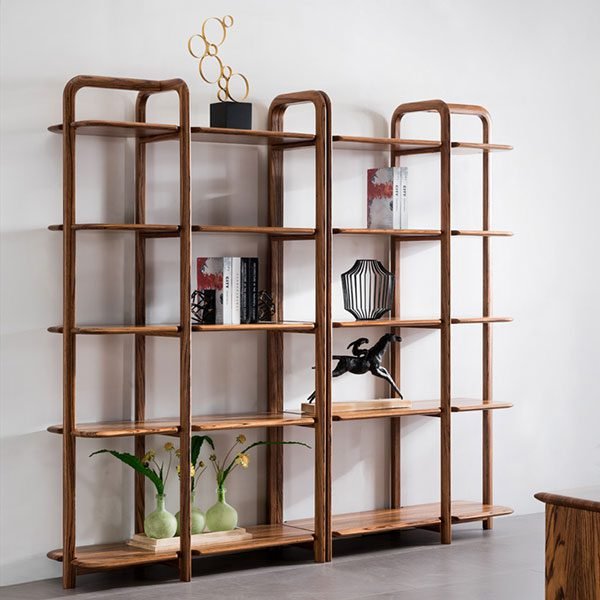
One way to make use of corner spaces is by incorporating corner shelves or bookcases. These can be a great solution for storing books, decorative items, or even clothing. By placing a corner shelf or bookcase in a corner, you not only add storage space but also create a visually appealing focal point in the room. Additionally, you can use the top of the shelf or bookcase to display artwork or other decorative pieces.
Another option for utilizing corner spaces is by adding a corner desk or vanity. This can be especially useful if you need a dedicated workspace or a place to get ready in the morning. A corner desk or vanity can fit seamlessly into a corner, providing you with a functional and organized area without taking up too much space in the room. You can also add a comfortable chair or stool to complete the setup.
If you have a small bedroom, a corner wardrobe or closet can be a game-changer. These types of furniture are designed to fit snugly into corners, making them ideal for maximizing storage in tight spaces. You can choose from various styles and sizes to suit your needs and preferences. Additionally, consider adding a mirror to the door of the wardrobe or closet to create the illusion of a larger space.
For those who enjoy reading or lounging in their bedroom, a corner seating area can be a perfect addition. You can place a cozy armchair or a small loveseat in a corner, creating a comfortable and inviting space to relax. Add a side table and a floor lamp to complete the setup. This corner seating area can also serve as a quiet spot for meditation or reflection.
Lastly, don’t forget about the power of plants in transforming an awkward corner space. Adding a tall potted plant or a hanging plant in a corner can instantly liven up the room and bring a touch of nature indoors. Not only do plants add visual interest, but they also improve air quality and create a calming atmosphere.
In conclusion, when it comes to arranging bedroom furniture in an awkward space, utilizing corner spaces effectively is key. Whether you choose to incorporate corner shelves, desks, wardrobes, seating areas, or plants, there are plenty of options to make the most of these often overlooked areas. By thinking creatively and strategically, you can transform your bedroom into a functional and visually appealing space that maximizes every inch of the room.
Creating a functional layout with limited wall space
When it comes to arranging bedroom furniture, it can be a challenge to create a functional layout in an awkward space. Limited wall space can make it difficult to find the right placement for your bed, dressers, and other essential pieces. However, with some careful planning and creativity, you can make the most of your space and create a bedroom that is both stylish and functional.
One of the first things to consider when arranging furniture in an awkward space is the size and shape of your room. Take measurements of the room and any furniture you plan to include, and use these measurements to create a scaled floor plan. This will help you visualize different layout options and determine the best placement for each piece.
In a room with limited wall space, it’s important to maximize the use of vertical space. Consider using tall dressers or bookcases that can provide storage without taking up valuable floor space. Wall-mounted shelves or floating nightstands can also be a great option for keeping essentials within reach without cluttering the room.
Another strategy for arranging furniture in an awkward space is to create zones within the room. This can help define different areas and make the space feel more organized. For example, you could create a sleeping zone with the bed as the focal point, a dressing zone with a vanity or mirror, and a seating zone with a comfortable chair or loveseat.
When arranging furniture in an awkward space, it’s important to consider traffic flow. Make sure there is enough space to comfortably move around the room without bumping into furniture. Avoid placing pieces in front of doors or blocking windows, as this can make the room feel cramped and closed off.
If you have a small bedroom with limited wall space, consider using multifunctional furniture to maximize functionality. For example, a bed with built-in storage drawers or a desk that doubles as a nightstand can help save space and keep the room organized. Look for furniture pieces that serve multiple purposes to make the most of your limited space.
In addition to furniture placement, lighting can also play a crucial role in creating a functional layout in an awkward space. Consider using a combination of overhead lighting, task lighting, and ambient lighting to create a well-lit and inviting atmosphere. Wall sconces or pendant lights can be a great option for adding lighting without taking up valuable floor or surface space.
When arranging furniture in an awkward space, it’s important to think outside the box and get creative. Don’t be afraid to experiment with different layouts and furniture arrangements until you find the one that works best for your space. Remember to consider the size and shape of your room, maximize vertical space, create zones, and prioritize traffic flow. With some careful planning and creativity, you can create a functional and stylish bedroom in even the most awkward of spaces.
Incorporating storage solutions in a small bedroom
Incorporating storage solutions in a small bedroom can be a challenging task, especially when dealing with an awkward space. However, with some careful planning and creative thinking, it is possible to maximize the storage potential of your bedroom while maintaining a functional and aesthetically pleasing layout.
One of the first steps in incorporating storage solutions in a small bedroom is to assess the available space and identify areas that can be utilized for storage. This may include under the bed, behind doors, or even on the walls. By utilizing these often overlooked areas, you can create additional storage without taking up valuable floor space.
Under the bed storage is a popular option for small bedrooms. There are various types of storage containers and organizers specifically designed to fit under the bed, allowing you to store items such as extra bedding, seasonal clothing, or even shoes. Additionally, investing in a bed frame with built-in drawers can provide even more storage space while maintaining a clean and organized look.
Another area that can be utilized for storage is behind doors. Installing hooks or over-the-door organizers can create additional space for hanging clothes, bags, or accessories. Additionally, installing shelves or racks on the back of the bedroom door can provide a convenient spot for storing books, magazines, or small items.
When it comes to incorporating storage solutions in an awkward space, utilizing the walls is key. Installing shelves or floating wall units can provide a stylish and functional way to store books, display decorative items, or even store folded clothing. Additionally, wall-mounted hooks or pegboards can be used to hang jewelry, scarves, or hats, keeping them easily accessible while also adding a decorative touch to the room.
In addition to utilizing under the bed, behind doors, and the walls, it is important to make the most of your closet space. Installing additional shelves or drawers within the closet can help maximize storage potential. Additionally, using slim hangers or cascading hangers can create more space for hanging clothes. Consider using storage bins or baskets to keep smaller items organized within the closet.
When arranging furniture in a small bedroom with limited space, it is important to prioritize functionality and flow. Start by placing the bed in the most optimal position, considering factors such as natural light, access to outlets, and the overall layout of the room. From there, strategically place additional furniture such as dressers or nightstands, ensuring they do not obstruct pathways or create a cluttered feel.
In conclusion, incorporating storage solutions in a small bedroom can be a challenge, but with some careful planning and creative thinking, it is possible to maximize the storage potential of your space. By utilizing under the bed, behind doors, and the walls, as well as optimizing closet space, you can create a functional and organized bedroom. Remember to prioritize functionality and flow when arranging furniture, ensuring a comfortable and visually appealing layout. With these tips in mind, you can transform your awkward bedroom space into a well-organized and inviting sanctuary.
Заключение
Заключение: При организации мебели в неудобном пространстве спальни, следует учитывать несколько важных аспектов. Во-первых, определите основные функции комнаты и расположите кровать в наиболее удобном месте. Во-вторых, используйте мебель маленького размера и модульные элементы, чтобы максимально эффективно использовать доступное пространство. В-третьих, создайте оптимальный поток движения, оставляя достаточно места для передвижения. Наконец, не забывайте о правильном освещении и декоре, чтобы создать уютную и функциональную обстановку.