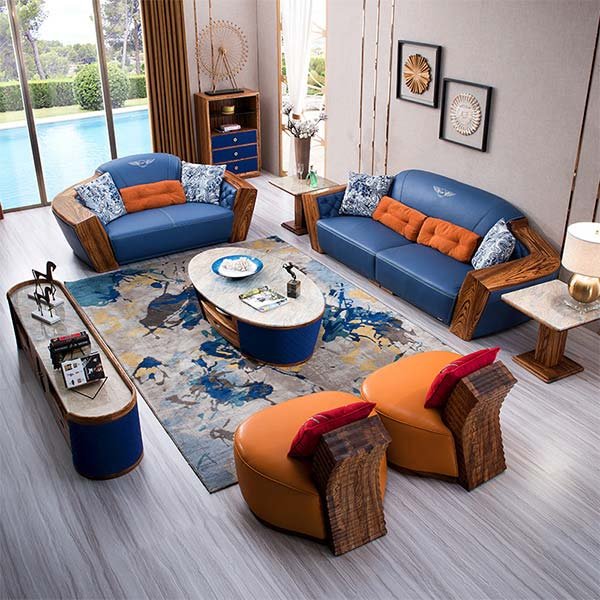
“Finding harmony in style and comfort with Dining Chairs: Embrace the importance of balance in design.”
Ergonomics
Dining Chairs: The Importance of Balance in Design
Ergonomics is a crucial aspect of furniture design, especially when it comes to dining chairs. The way a chair is designed can greatly impact the comfort and overall dining experience of individuals. One key element of ergonomics that should not be overlooked is balance.
Balance in design refers to the distribution of weight and support in a chair. It is essential for providing stability and ensuring that users can sit comfortably for extended periods. When a chair is well-balanced, it reduces the risk of tipping over or causing strain on the body.
One aspect of balance in dining chair design is the placement of the legs. The legs should be positioned in a way that evenly distributes the weight of the person sitting on the chair. This prevents any wobbling or instability that could lead to accidents or discomfort. Additionally, the legs should be sturdy and made of high-quality materials to provide adequate support.
Another important factor in achieving balance is the seat design. The seat should be wide enough to accommodate different body sizes and shapes. It should also have a slight curve to support the natural curvature of the spine. This helps to maintain proper posture and prevent back pain.
Furthermore, the backrest plays a significant role in the balance of a dining chair. It should be angled in a way that provides support to the lower back while allowing for comfortable movement. A well-designed backrest ensures that individuals can sit for extended periods without experiencing discomfort or fatigue.
In addition to the physical aspects of balance, visual balance is also crucial in dining chair design. Visual balance refers to the overall aesthetic appeal of the chair. It involves the proportion and arrangement of different elements, such as the seat, backrest, and legs.
A visually balanced dining chair creates a harmonious and pleasing look. It should not appear too heavy or too light. The size and shape of each component should be carefully considered to achieve a visually appealing design.
When selecting dining chairs, it is important to prioritize balance in design. A well-balanced chair not only enhances the dining experience but also promotes good posture and overall comfort. It reduces the risk of accidents and ensures that individuals can enjoy their meals without any discomfort or strain.
In conclusion, balance is a crucial aspect of dining chair design. It encompasses both the physical and visual aspects of a chair, ensuring stability, comfort, and aesthetic appeal. When choosing dining chairs, it is essential to consider the placement of legs, seat design, backrest angle, and overall visual balance. By prioritizing balance in design, individuals can enjoy their meals in comfort and style.
Aesthetics
Dining Chairs: The Importance of Balance in Design
When it comes to designing a dining room, one of the most crucial elements to consider is the choice of dining chairs. While many people focus on the table itself, the chairs play a significant role in creating a balanced and aesthetically pleasing space. In this article, we will explore the importance of balance in dining chair design and how it can enhance the overall look and feel of your dining area.
Balance is a fundamental principle in design, and it applies to all aspects of interior design, including dining chairs. A well-balanced dining chair design creates harmony and visual appeal, making the dining area more inviting and comfortable. Achieving balance involves considering various factors, such as the size, shape, and materials of the chairs, as well as their relationship to the dining table.
One aspect of balance to consider is the size of the dining chairs in relation to the table. Ideally, the chairs should be proportionate to the table, neither too large nor too small. Oversized chairs can overwhelm the table and make the space feel cramped, while undersized chairs can make the table appear disproportionate and insignificant. Finding the right balance between the size of the chairs and the table is crucial for creating a harmonious dining area.
Another factor to consider is the shape of the dining chairs. The shape should complement the shape of the table and the overall style of the room. For example, if you have a round dining table, choosing chairs with curved lines can create a sense of continuity and flow. On the other hand, if you have a rectangular table, chairs with straight lines can provide a more structured and formal look. The key is to ensure that the shapes of the chairs and the table work together to create a cohesive and balanced design.
In addition to size and shape, the materials used in the construction of dining chairs also contribute to their overall balance. The choice of materials should be in harmony with the rest of the room’s decor. For instance, if you have a modern and minimalist dining room, chairs made of sleek metal or molded plastic can add a contemporary touch. On the other hand, if you have a traditional or rustic dining room, chairs made of wood or upholstered in fabric can create a warm and inviting atmosphere. The materials should not only complement the overall style of the room but also provide a sense of balance and cohesion.
Lastly, the relationship between the dining chairs and the table is crucial for achieving balance in design. The chairs should be positioned in a way that allows for easy movement and conversation. They should not obstruct the view or create a cramped space. Additionally, the height of the chairs should be appropriate for the table, ensuring that diners can comfortably reach their food and sit at the table for extended periods.
In conclusion, dining chairs play a vital role in creating a balanced and aesthetically pleasing dining area. Achieving balance involves considering factors such as size, shape, materials, and the relationship between the chairs and the table. By carefully selecting and arranging dining chairs, you can enhance the overall look and feel of your dining room, creating a space that is both visually appealing and comfortable for your guests. So, next time you are designing your dining area, remember the importance of balance in dining chair design.
Material selection
Material selection plays a crucial role in the design of dining chairs. It not only affects the overall aesthetic appeal but also determines the comfort and durability of the furniture. When it comes to dining chairs, striking the right balance in material selection is of utmost importance.
One of the most commonly used materials for dining chairs is wood. Wood offers a timeless and classic look that can complement various interior styles. It is known for its durability and strength, making it a popular choice for dining chairs that are expected to withstand regular use. Additionally, wood can be easily shaped and carved into intricate designs, allowing for endless possibilities in terms of aesthetics.
Another popular material for dining chairs is metal. Metal chairs are often chosen for their sleek and modern appearance. They can add a touch of sophistication to any dining space. Metal chairs are also highly durable and easy to clean, making them a practical choice for busy households. However, it is important to ensure that the metal used is of high quality to prevent rusting or corrosion over time.
Upholstered dining chairs are another option that offers both comfort and style. The choice of upholstery material can greatly impact the overall look and feel of the chairs. Fabrics such as linen, cotton, or velvet can add a touch of luxury and elegance to the dining area. Leather upholstery, on the other hand, exudes a sense of sophistication and durability. It is important to consider factors such as stain resistance and ease of cleaning when selecting upholstery material for dining chairs.
In recent years, plastic dining chairs have gained popularity due to their versatility and affordability. Plastic chairs are available in a wide range of colors and styles, making them suitable for various design preferences. They are lightweight and easy to move around, making them a practical choice for those who frequently rearrange their dining space. However, it is important to choose high-quality plastic chairs that are sturdy and durable.
When selecting materials for dining chairs, it is essential to consider the overall design and theme of the dining area. The material should complement the existing furniture and decor to create a cohesive and harmonious look. Additionally, it is important to consider the level of comfort desired. Some materials may be more comfortable than others, and it is important to strike a balance between aesthetics and comfort.
In conclusion, material selection is a crucial aspect of designing dining chairs. Wood, metal, upholstery, and plastic are all popular choices, each offering its own unique advantages. Striking the right balance in material selection is essential to create dining chairs that are not only visually appealing but also comfortable and durable. By carefully considering the design theme, comfort level, and desired aesthetic, one can create dining chairs that perfectly complement the dining area and enhance the overall dining experience.
Заключение
Заключение: Баланс в дизайне стульев для обеденных зон является важным аспектом. Он влияет на комфорт и эстетическую привлекательность стула, а также на его функциональность. Правильно сбалансированный стул обеспечивает удобную посадку и поддержку для спины, что важно при длительном использовании. Баланс также влияет на стабильность стула, предотвращая его перекатывание или опрокидывание. Поэтому при выборе обеденных стульев важно обратить внимание на их дизайн и баланс, чтобы создать комфортное и безопасное пространство для питания.