Creating Cohesion: Harmonizing Your Sofa with the Rest of Your Decor
Choosing the Right Color Palette for Your Sofa and Decor
Creating Cohesion: Harmonizing Your Sofa with the Rest of Your Decor
When it comes to designing your living space, one of the most important elements to consider is the cohesion between your sofa and the rest of your decor. A well-coordinated color palette can make a significant difference in the overall aesthetic of your room. In this article, we will explore the importance of choosing the right color palette for your sofa and decor, and provide some tips on how to achieve a harmonious look.
First and foremost, it is crucial to understand the role of color in interior design. Colors have the power to evoke emotions and set the mood of a room. Therefore, selecting the right color palette for your sofa and decor is essential in creating a cohesive and visually pleasing space.
One approach to choosing a color palette is to consider the existing colors in your room. Take a look at the walls, flooring, and other furniture pieces. Are they warm or cool tones? Are they neutral or vibrant? By identifying the dominant colors in your space, you can select a sofa color that complements and enhances the overall aesthetic.
Another strategy is to use a color wheel as a guide. The color wheel provides a visual representation of how colors relate to each other. Complementary colors, which are opposite each other on the wheel, create a vibrant and dynamic look. Analogous colors, which are adjacent to each other, create a more harmonious and soothing effect. By understanding these color relationships, you can choose a sofa color that aligns with your desired mood and style.
In addition to considering the existing colors in your room and using the color wheel, it is also important to think about the size and scale of your space. If you have a small living room, opting for a light-colored sofa can create an illusion of space and make the room feel more open. On the other hand, if you have a large and spacious area, a bold and vibrant sofa color can add a pop of personality and create a focal point.
Furthermore, don’t forget to take into account the natural lighting in your room. Natural light can significantly impact the way colors appear. A room with ample sunlight may benefit from cooler tones, while a room with limited natural light may require warmer hues to create a cozy and inviting atmosphere.
When selecting a color palette, it is also essential to consider the overall style and theme of your room. If you have a modern and minimalist space, opting for a monochromatic color scheme can create a sleek and sophisticated look. On the other hand, if you have a bohemian-inspired room, incorporating a mix of vibrant and earthy tones can add a sense of warmth and eclecticism.
In conclusion, choosing the right color palette for your sofa and decor is crucial in creating a cohesive and visually appealing living space. By considering the existing colors in your room, using the color wheel as a guide, thinking about the size and scale of your space, taking into account the natural lighting, and considering the overall style and theme, you can achieve a harmonious look that reflects your personal taste and style. So, take your time, explore different color options, and create a space that truly feels like home.
Incorporating Patterns and Textures to Create a Unified Look
Creating Cohesion: Harmonizing Your Sofa with the Rest of Your Decor
When it comes to designing a cohesive and harmonious living space, one of the key elements to consider is your sofa. The sofa is often the centerpiece of the room, and it sets the tone for the entire space. To achieve a unified look, it is important to incorporate patterns and textures that complement your sofa and the rest of your decor.
One way to create cohesion is by selecting patterns that coordinate with the color and style of your sofa. If you have a solid-colored sofa, you can introduce patterns through throw pillows, blankets, or curtains. For example, if your sofa is a neutral shade, you can add interest by incorporating patterned pillows in complementary colors. This will create visual interest and tie the sofa into the overall design scheme.
When selecting patterns, it is important to consider the scale and proportion of your sofa. If you have a large, bold-patterned sofa, it is best to choose smaller-scale patterns for your accessories. This will prevent the space from feeling overwhelming and ensure that the patterns work together harmoniously. On the other hand, if your sofa has a more subtle pattern, you can experiment with larger-scale patterns for your accessories to create a dynamic and visually appealing look.
In addition to patterns, textures can also play a crucial role in creating a unified look. Mixing different textures adds depth and visual interest to a space. For example, if you have a leather sofa, you can introduce soft textures through plush pillows or a cozy throw blanket. This contrast in textures creates a balanced and inviting atmosphere.
When incorporating textures, it is important to consider the overall style and theme of your decor. If you have a modern or minimalist space, you may want to stick to sleek and smooth textures, such as velvet or silk. On the other hand, if your decor is more rustic or eclectic, you can experiment with rougher textures, such as burlap or woven fabrics. By selecting textures that align with your overall design aesthetic, you can create a cohesive and visually pleasing space.
To ensure a seamless transition between your sofa and the rest of your decor, it is important to consider the color palette. Selecting colors that complement or contrast with your sofa can help tie the space together. For example, if your sofa is a warm shade, you can incorporate cool-toned accessories to create a balanced and harmonious look. Similarly, if your sofa is a cool shade, you can introduce warm-toned accessories to create a visually striking contrast.
When working with a limited color palette, it is important to vary the shades and tones to create depth and dimension. This can be achieved by incorporating different shades of the same color or by introducing complementary colors. By carefully selecting and coordinating colors, you can create a cohesive and visually pleasing space that harmonizes with your sofa.
In conclusion, creating cohesion and harmonizing your sofa with the rest of your decor is essential for a well-designed living space. By incorporating patterns and textures that complement your sofa, considering the scale and proportion, and selecting colors that tie the space together, you can achieve a unified look that is visually appealing and inviting. So, take the time to carefully select your accessories and create a space that reflects your personal style and creates a harmonious atmosphere.
Balancing Different Furniture Styles with Your Sofa for a Cohesive Space
Creating Cohesion: Harmonizing Your Sofa with the Rest of Your Decor
When it comes to designing a space, one of the most important aspects to consider is cohesion. A cohesive space is one where all the elements work together harmoniously, creating a sense of unity and balance. One key element that can greatly impact the overall cohesion of a room is the sofa. The sofa is often the centerpiece of a living room or lounge area, and it sets the tone for the rest of the decor. Balancing different furniture styles with your sofa is crucial in creating a cohesive space that is visually appealing and inviting.
The first step in harmonizing your sofa with the rest of your decor is to consider the style of your sofa. Is it modern and sleek, or is it more traditional and ornate? Understanding the style of your sofa will help you determine what other furniture pieces will complement it best. For example, if you have a modern sofa with clean lines and minimalistic design, pairing it with other modern furniture pieces will create a cohesive and contemporary look. On the other hand, if your sofa has a more traditional style with intricate details and plush upholstery, opting for other traditional furniture pieces will create a cohesive and elegant space.
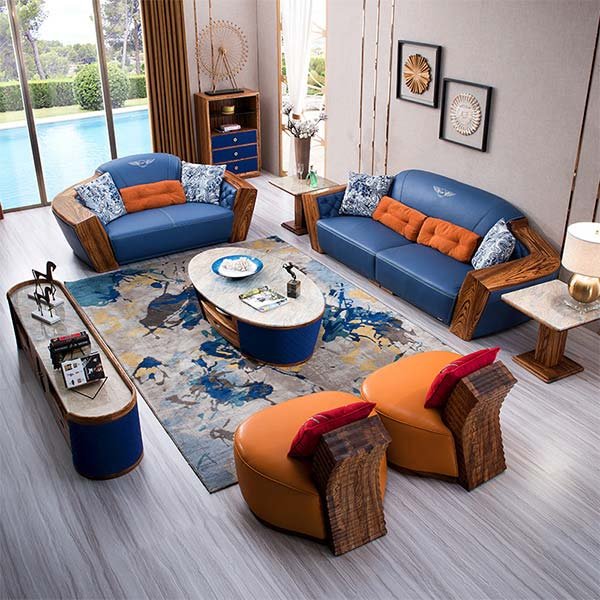
Another important factor to consider when balancing different furniture styles with your sofa is the color palette. The color of your sofa can greatly influence the overall mood and atmosphere of the room. If your sofa is a bold and vibrant color, such as red or blue, it is important to choose other furniture pieces that complement and enhance the color scheme. This can be done by selecting furniture pieces in neutral tones, such as white, beige, or gray, that will allow the sofa to be the focal point of the room. On the other hand, if your sofa is a neutral color, such as gray or beige, you have more flexibility in choosing furniture pieces in a variety of colors and patterns to create visual interest and depth.
In addition to considering the style and color of your sofa, it is also important to think about the scale and proportion of the furniture pieces in the room. A large, overstuffed sofa will look out of place if paired with small, delicate chairs. Similarly, a small, sleek sofa will be overshadowed if surrounded by large, bulky furniture pieces. It is important to strike a balance between the size and scale of the different furniture pieces to create a cohesive and visually pleasing space. This can be achieved by choosing furniture pieces that are similar in size and proportion, or by using different furniture pieces strategically to create contrast and balance.
Lastly, don’t forget about the accessories and accents that can tie the different furniture styles together. Adding throw pillows, rugs, and artwork that complement the style and color of your sofa can help create a cohesive and polished look. These small details can make a big difference in tying the different furniture pieces together and creating a harmonious space.
In conclusion, harmonizing your sofa with the rest of your decor is essential in creating a cohesive and visually appealing space. By considering the style, color, scale, and proportion of your sofa and other furniture pieces, as well as incorporating complementary accessories and accents, you can create a space that is inviting, balanced, and harmonious. So take the time to carefully select and balance different furniture styles with your sofa, and watch as your space transforms into a cohesive and beautiful sanctuary.
Conclusion
In conclusion, creating cohesion between your sofa and the rest of your decor is essential for achieving a harmonious and visually appealing space. By considering factors such as color, style, and texture, you can ensure that your sofa seamlessly blends with the overall aesthetic of your room. Whether through coordinating colors, matching patterns, or incorporating complementary textures, a cohesive sofa can enhance the overall design and create a cohesive and inviting atmosphere.