Retro Futurism: Blending Vintage Aesthetics with Modern Technology
The Evolution of Retro Futurism: Exploring the Fusion of Past and Future
Retro futurism is a design aesthetic that combines elements of the past with futuristic concepts. It is a unique blend of vintage aesthetics and modern technology, creating a visual style that is both nostalgic and forward-thinking. This article will explore the evolution of retro futurism, delving into the fusion of past and future that has captivated designers and enthusiasts alike.
The roots of retro futurism can be traced back to the early 20th century, when artists and writers began imagining what the future might look like. This was a time of great technological advancements, with inventions such as the automobile and the airplane revolutionizing the way people lived and traveled. It was also a time of great optimism, as people believed that technology would continue to improve and make their lives better.
In the 1920s and 1930s, the Art Deco movement emerged, which heavily influenced retro futurism. Art Deco was characterized by its sleek lines, geometric shapes, and use of new materials such as chrome and glass. It represented a departure from the ornate and elaborate designs of the past, embracing a more streamlined and modern aesthetic. This influence can still be seen in retro futurist designs today, with their emphasis on clean lines and geometric shapes.
The 1950s and 1960s were a golden age for retro futurism, as the Space Age captured the public’s imagination. With the launch of the Soviet satellite Sputnik in 1957 and the subsequent space race between the United States and the Soviet Union, people became fascinated with the idea of space travel and what the future might hold. This fascination was reflected in the design of everyday objects, with cars, appliances, and even furniture taking on a futuristic look.
One of the most iconic examples of retro futurism from this era is the Jetsons, an animated television show that aired from 1962 to 1963. The show depicted a family living in a futuristic world filled with flying cars, robot maids, and other technological marvels. The Jetsons became a symbol of the optimism and excitement surrounding the future, and its influence can still be seen in retro futurist designs today.
In recent years, retro futurism has experienced a resurgence in popularity. With advancements in technology and a renewed interest in vintage aesthetics, designers and enthusiasts have embraced this unique style. Retro futurist designs can be found in a wide range of products, from clothing and accessories to home decor and architecture.
One of the reasons for the enduring appeal of retro futurism is its ability to evoke a sense of nostalgia while still feeling fresh and modern. By combining elements of the past with futuristic concepts, retro futurist designs create a sense of familiarity and comfort, while also pushing the boundaries of what is possible.
In conclusion, retro futurism is a design aesthetic that combines vintage aesthetics with modern technology. It has evolved over the years, drawing inspiration from movements such as Art Deco and the Space Age. Retro futurist designs continue to captivate designers and enthusiasts alike, offering a unique blend of nostalgia and forward-thinking. Whether it’s a sleek car or a futuristic home, retro futurism allows us to imagine what the future might look like while paying homage to the past.
Retro Futurism in Film and Television: A Look at the Influence on Visual Storytelling
Retro Futurism: Combining Vintage Aesthetics with Modern Technology
Retro Futurism is a design aesthetic that combines elements of the past with futuristic concepts. It is a unique blend of vintage aesthetics and modern technology, creating a visually striking and nostalgic experience. This design trend has gained popularity in various industries, including film and television, where it has had a significant influence on visual storytelling.
In the world of film and television, Retro Futurism has been used to create captivating and immersive visual experiences. It takes viewers on a journey through time, presenting them with a vision of the future that is rooted in the past. This blending of old and new creates a sense of familiarity and nostalgia, while also showcasing the possibilities of what lies ahead.
One of the most notable examples of Retro Futurism in film is Ridley Scott’s 1982 masterpiece, “Blade Runner.” Set in a dystopian future, the film combines the gritty aesthetics of film noir with futuristic technology. The result is a visually stunning world that feels both familiar and otherworldly. The film’s use of neon lights, retro fashion, and outdated technology creates a unique atmosphere that has become synonymous with Retro Futurism.
Another film that showcases the influence of Retro Futurism is Terry Gilliam’s “Brazil” from 1985. The film presents a satirical vision of a bureaucratic dystopia, where outdated technology and retro aesthetics dominate. The film’s production design, with its clunky computers, retro-futuristic architecture, and vintage fashion, creates a visually striking world that perfectly captures the essence of Retro Futurism.
Television has also embraced Retro Futurism, with shows like “Stranger Things” and “Black Mirror” incorporating elements of the design trend into their storytelling. “Stranger Things” transports viewers back to the 1980s, using vintage aesthetics and technology to create a nostalgic atmosphere. The show’s use of retro fashion, outdated technology, and references to popular culture from the era immerses viewers in a world that feels both familiar and fantastical.
“Black Mirror,” on the other hand, takes a darker approach to Retro Futurism. The anthology series explores the dark side of technology and its impact on society. The show often presents a future that is reminiscent of the past, with vintage aesthetics and outdated technology playing a significant role in the storytelling. This juxtaposition of old and new creates a sense of unease and highlights the potential dangers of our reliance on technology.
Retro Futurism in film and television is not just about creating visually stunning worlds; it also serves as a commentary on our relationship with technology and the past. By blending vintage aesthetics with modern technology, these visual storytellers remind us of the cyclical nature of design and the importance of understanding our history to shape our future.
In conclusion, Retro Futurism has had a significant influence on visual storytelling in film and television. By combining vintage aesthetics with modern technology, filmmakers and showrunners have created visually striking worlds that transport viewers to a different time and place. Whether it’s the gritty future of “Blade Runner” or the nostalgic 1980s of “Stranger Things,” Retro Futurism has become a powerful tool for creating immersive and thought-provoking storytelling experiences.
Retro Futurism in Design: Blending Nostalgia and Innovation in Modern Products
Retro Futurism: Combining Vintage Aesthetics with Modern Technology
Retro Futurism is a design movement that has gained popularity in recent years. It is a unique blend of vintage aesthetics and modern technology, combining the nostalgia of the past with the innovation of the present. This article will explore the concept of Retro Futurism in design and how it has been used to create modern products that capture the essence of both the past and the future.
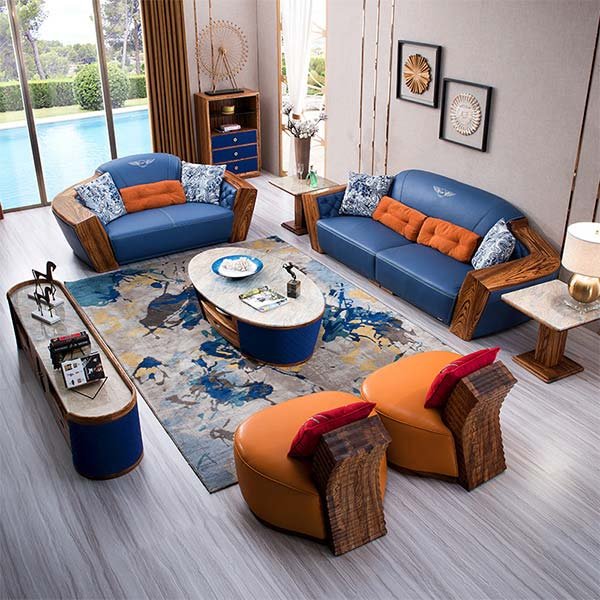
Retro Futurism in design is all about taking inspiration from the past and reimagining it in a futuristic way. It is about creating products that have a vintage look and feel, but are equipped with the latest technological advancements. This design approach allows designers to tap into the emotional connection people have with the past while also satisfying their desire for cutting-edge technology.
One of the key elements of Retro Futurism is the use of vintage aesthetics. This can include anything from retro color palettes and typography to iconic design elements from the past. By incorporating these elements into modern products, designers are able to create a sense of nostalgia and familiarity. This can be particularly appealing to consumers who have a fondness for the past and appreciate the aesthetics of a bygone era.
However, Retro Futurism is not just about replicating the past. It is also about infusing modern technology into these vintage-inspired designs. This can be seen in products such as retro-style telephones that are equipped with Bluetooth capabilities or vintage-looking cameras that have advanced digital features. By combining vintage aesthetics with modern technology, designers are able to create products that are both visually appealing and highly functional.
One of the advantages of Retro Futurism in design is its ability to appeal to a wide range of consumers. For those who grew up in the era being referenced, these products can evoke a sense of nostalgia and bring back fond memories. On the other hand, for younger consumers who may not have experienced the past firsthand, Retro Futurism offers a unique and visually striking alternative to the sleek and minimalist designs that dominate the market.
In addition to its aesthetic appeal, Retro Futurism in design also has practical benefits. By incorporating modern technology into vintage-inspired designs, designers are able to create products that offer the best of both worlds. For example, a retro-style radio with built-in Wi-Fi and streaming capabilities allows users to enjoy the charm of a vintage design while also accessing a wide range of modern content. This combination of nostalgia and innovation is what makes Retro Futurism so compelling.
In conclusion, Retro Futurism in design is a fascinating movement that combines vintage aesthetics with modern technology. By taking inspiration from the past and reimagining it in a futuristic way, designers are able to create products that capture the essence of both the past and the future. Whether it’s a retro-style telephone with Bluetooth capabilities or a vintage-looking camera with advanced digital features, Retro Futurism offers a unique and visually striking alternative to traditional design. With its ability to evoke nostalgia and satisfy the desire for cutting-edge technology, Retro Futurism is likely to continue to be a popular design trend in the years to come.
Conclusion
Retro futurism is a design and artistic movement that combines vintage aesthetics with modern technology. It seeks to reimagine the future through the lens of the past, incorporating elements of nostalgia and futuristic concepts. By blending retro styles with advanced technology, retro futurism creates a unique and visually striking aesthetic that captures the imagination. This fusion of old and new creates a sense of familiarity and excitement, offering a fresh perspective on what the future could look like. Retro futurism has gained popularity in various fields, including art, design, fashion, and entertainment, as it allows for creative exploration and a departure from conventional futuristic visions. Overall, retro futurism offers a captivating and thought-provoking approach to envisioning the future by combining vintage aesthetics with modern technology.