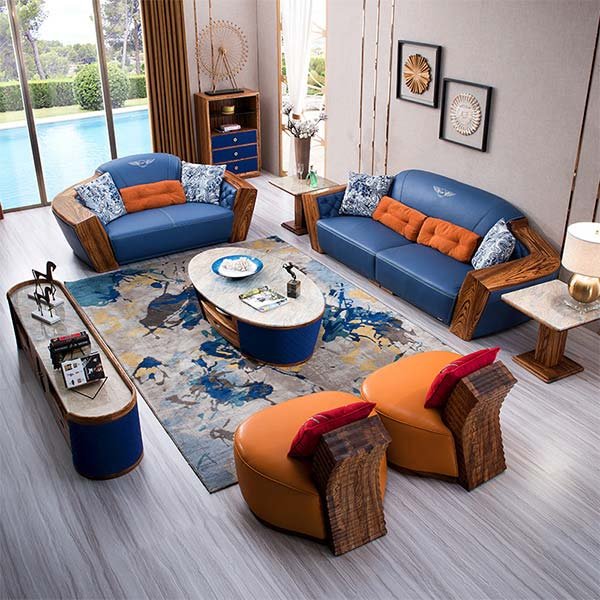
Bringing nature indoors for a healthier and happier life.
The Importance of Biophilic Design in Enhancing Wellbeing
Biophilic design is a concept that has gained significant attention in recent years, as people become more aware of the importance of connecting with nature for their overall wellbeing. This design approach seeks to incorporate elements of nature into the built environment, creating spaces that promote a sense of calm, tranquility, and connection to the natural world.
One of the key benefits of biophilic design is its ability to enhance wellbeing. Numerous studies have shown that exposure to nature has a positive impact on our mental and physical health. When we are surrounded by natural elements, such as plants, water features, and natural light, our stress levels decrease, our mood improves, and our overall sense of wellbeing is enhanced.
Incorporating biophilic design principles into our homes, workplaces, and public spaces can have a profound effect on our mental health. For example, research has shown that exposure to natural light can improve our sleep patterns, boost our mood, and increase our productivity. By incorporating large windows, skylights, and light wells into our buildings, we can maximize the amount of natural light that enters our spaces, creating a more pleasant and healthy environment.
Another important aspect of biophilic design is the use of natural materials. When we surround ourselves with materials such as wood, stone, and natural fibers, we feel a deeper connection to the natural world. These materials have a calming effect on our senses and can help to reduce stress and anxiety. In addition, natural materials are often more sustainable and environmentally friendly than their synthetic counterparts, making them a better choice for both our health and the planet.
Biophilic design also emphasizes the importance of incorporating plants and greenery into our spaces. Plants not only add beauty and visual interest to our environments, but they also have numerous health benefits. Studies have shown that being around plants can improve our concentration, boost our mood, and even reduce our blood pressure. By incorporating living walls, vertical gardens, and potted plants into our spaces, we can create a more vibrant and healthy environment.
In addition to the physical benefits, biophilic design also has a positive impact on our emotional and psychological wellbeing. When we are surrounded by nature, we feel a sense of calm and tranquility. This can help to reduce feelings of stress and anxiety, and promote a greater sense of happiness and contentment. By creating spaces that mimic the natural world, we can create a sense of harmony and balance that is essential for our overall wellbeing.
In conclusion, biophilic design is a powerful tool for enhancing our wellbeing. By incorporating elements of nature into our built environment, we can create spaces that promote a sense of calm, tranquility, and connection to the natural world. Whether it’s through the use of natural light, materials, or plants, biophilic design has numerous benefits for our mental, physical, and emotional health. As we continue to prioritize our wellbeing, it is essential that we embrace the principles of biophilic design and create spaces that nurture our connection to nature.
How Biophilic Design Can Improve Mental Health and Productivity
Biophilic design is a concept that has gained significant attention in recent years for its potential to improve mental health and productivity. This design approach seeks to incorporate elements of nature into the built environment, creating spaces that promote a sense of connection with the natural world. By integrating natural materials, patterns, and views, biophilic design aims to create environments that support human wellbeing.
One of the key ways in which biophilic design can improve mental health is by reducing stress and anxiety. Research has shown that exposure to nature can have a calming effect on the mind, helping to lower heart rate and blood pressure. By incorporating natural elements such as plants, water features, and natural light into indoor spaces, biophilic design can create a more soothing and relaxing environment. This can be particularly beneficial in high-stress environments such as offices or healthcare facilities, where individuals may be prone to feelings of tension and overwhelm.
In addition to reducing stress, biophilic design has also been found to enhance cognitive function and productivity. Studies have shown that exposure to nature can improve concentration, memory, and problem-solving skills. By incorporating natural elements into the built environment, biophilic design can help to create spaces that support cognitive performance. For example, the presence of plants in an office setting has been found to increase productivity and creativity, as well as reduce absenteeism and improve job satisfaction.
Furthermore, biophilic design can also have a positive impact on physical health. Research has shown that access to nature and natural light can improve sleep quality, boost immune function, and reduce the risk of chronic diseases such as obesity and cardiovascular disease. By incorporating elements such as windows with views of nature, outdoor spaces, and natural ventilation systems, biophilic design can help to create healthier indoor environments. This can be particularly important in settings such as hospitals or schools, where individuals may spend a significant amount of time indoors.
Moreover, biophilic design can also foster a sense of connection and community. By creating spaces that reflect the natural world, biophilic design can help to create a sense of belonging and identity. This can be particularly important in urban environments, where individuals may feel disconnected from nature. By incorporating elements such as green roofs, community gardens, and natural gathering spaces, biophilic design can help to create environments that promote social interaction and a sense of community.
In conclusion, biophilic design has the potential to significantly improve mental health and productivity. By incorporating elements of nature into the built environment, biophilic design can create spaces that reduce stress, enhance cognitive function, and promote physical health. Additionally, biophilic design can foster a sense of connection and community, helping individuals to feel more connected to the natural world. As our lives become increasingly urbanized, the importance of incorporating nature into our built environments becomes even more crucial. By embracing biophilic design principles, we can create spaces that support human wellbeing and enhance our overall quality of life.
Creating a Connection with Nature through Biophilic Design
Biophilic design is a concept that aims to create a connection between humans and nature in the built environment. It recognizes the innate human need to be surrounded by nature and incorporates natural elements into the design of spaces. By bringing nature indoors, biophilic design seeks to improve the wellbeing and productivity of individuals.
One of the key principles of biophilic design is the use of natural materials. Incorporating materials such as wood, stone, and plants into the design of a space can create a sense of calm and tranquility. These materials have a soothing effect on the human mind and can help reduce stress and anxiety. In addition, natural materials have been found to improve air quality by absorbing pollutants and releasing oxygen.
Another important aspect of biophilic design is the inclusion of natural light. Natural light has a profound impact on our wellbeing, both physically and mentally. Exposure to natural light has been linked to improved mood, increased productivity, and better sleep quality. By incorporating large windows, skylights, and light wells into the design, biophilic spaces can maximize the amount of natural light that enters the space, creating a bright and uplifting environment.
In addition to natural materials and light, biophilic design also emphasizes the use of plants and greenery. Indoor plants not only add beauty to a space but also have numerous health benefits. They can improve air quality by filtering out toxins and releasing oxygen. Studies have shown that being around plants can reduce stress, lower blood pressure, and improve cognitive function. By incorporating plants into the design, biophilic spaces can create a sense of connection with nature and promote a healthier indoor environment.
Furthermore, biophilic design encourages the incorporation of natural patterns and textures. Research has shown that exposure to natural patterns, such as fractals found in leaves and flowers, can have a calming effect on the human brain. These patterns are inherently pleasing to the eye and can help reduce stress and improve focus. Similarly, the use of natural textures, such as rough stone or smooth wood, can create a tactile connection with nature, further enhancing the biophilic experience.
Creating a connection with nature through biophilic design has numerous benefits for wellbeing. Studies have shown that exposure to nature, even in a simulated form, can have a positive impact on mental health. Biophilic spaces have been found to reduce stress, improve mood, and increase overall wellbeing. In addition, biophilic design has been shown to enhance cognitive function and creativity, leading to increased productivity in work and learning environments.
In conclusion, biophilic design offers a way to nurture our innate connection with nature in the built environment. By incorporating natural materials, light, plants, and patterns, biophilic spaces can create a sense of calm and tranquility, improve air quality, and promote overall wellbeing. Whether it is in our homes, offices, or public spaces, biophilic design has the potential to transform our built environment into a place that supports and enhances our physical and mental health.
Conclusion
In conclusion, biophilic design, which incorporates elements of nature into built environments, has been found to have numerous benefits for wellbeing. Research suggests that exposure to nature and natural elements can reduce stress, improve cognitive function, enhance mood, and promote overall well-being. Biophilic design can be implemented in various settings, such as homes, offices, and healthcare facilities, to create environments that foster a stronger connection with nature and support human health and happiness.