“Home Office Essentials: Elevate Your Productivity with a Well-Designed Workspace”
Choosing the Right Desk and Chair for Your Home Office
Working from home has become increasingly popular in recent years, and with the current global pandemic, it has become a necessity for many. As more people transition to remote work, it is essential to create a productive and comfortable home office space. One of the most important aspects of designing a home office is choosing the right desk and chair.
When it comes to selecting a desk for your home office, there are several factors to consider. First and foremost, you need to think about the size of your workspace. If you have a small area, a compact desk with built-in storage might be the best option. On the other hand, if you have ample space, you can opt for a larger desk that provides plenty of room for your computer, paperwork, and other essentials.
Another crucial consideration is the style of the desk. It is important to choose a desk that complements the overall aesthetic of your home office. Whether you prefer a modern, minimalist look or a more traditional design, there are plenty of options available to suit your taste. Additionally, consider the material of the desk. While wood is a popular choice for its durability and timeless appeal, there are also desks made from metal, glass, and other materials that can add a contemporary touch to your workspace.
Equally important is selecting the right chair for your home office. Since you will be spending long hours sitting at your desk, it is crucial to choose a chair that provides adequate support and comfort. Look for a chair with adjustable height and lumbar support to ensure proper posture and reduce the risk of back pain. Additionally, consider the material and padding of the chair. Breathable fabrics and cushioned seats can enhance your comfort and prevent discomfort during extended periods of sitting.
Ergonomics should be a top priority when choosing a chair for your home office. An ergonomic chair is designed to support your body’s natural alignment and reduce strain on your muscles and joints. Look for features such as adjustable armrests, a reclining backrest, and a swivel base to enhance your comfort and flexibility while working. Investing in an ergonomic chair may seem like an additional expense, but it is a worthwhile investment in your long-term health and productivity.
In addition to the desk and chair, it is important to consider the layout and organization of your home office. Ensure that your desk is positioned in a well-lit area, preferably near a window to maximize natural light. Adequate lighting is essential for reducing eye strain and maintaining focus. Additionally, consider incorporating storage solutions such as shelves, drawers, or filing cabinets to keep your workspace tidy and organized.
Creating a productive home office requires careful consideration of the desk and chair that will best suit your needs. Remember to prioritize comfort, ergonomics, and style when making your selection. A well-designed workspace can significantly enhance your productivity and overall well-being while working from home. So take the time to choose the right desk and chair, and create a home office that inspires creativity and efficiency.
Organizing and Decluttering Your Home Office for Maximum Efficiency
Working from home has become increasingly common in recent years, and with the current global pandemic, it has become a necessity for many. As more people find themselves setting up home offices, it is important to create a space that is organized and clutter-free to maximize productivity. In this section, we will discuss some essential tips for organizing and decluttering your home office for maximum efficiency.
The first step in organizing your home office is to declutter. Start by going through all your belongings and getting rid of anything that is no longer needed or used. This includes old paperwork, broken office supplies, and any other items that are taking up unnecessary space. Be ruthless in your decluttering process and only keep the items that are essential for your work.
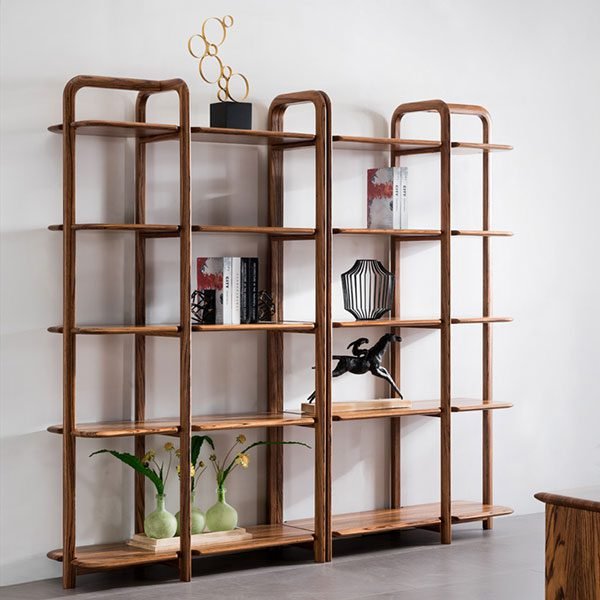
Once you have decluttered, it is time to organize your remaining belongings. One effective way to do this is by using storage solutions such as shelves, cabinets, and drawers. These can help keep your office supplies, paperwork, and other items neatly organized and easily accessible. Consider investing in a filing system to keep important documents in order and within reach.
Another important aspect of organizing your home office is creating designated spaces for different tasks. This can help you stay focused and avoid distractions. For example, have a specific area for your computer and work-related tasks, a separate space for creative projects, and a designated spot for office supplies. By having designated spaces, you can easily find what you need and maintain a clear separation between work and personal life.
In addition to physical organization, it is also crucial to establish a digital filing system. With the increasing reliance on technology, digital clutter can be just as overwhelming as physical clutter. Create folders on your computer to store documents, photos, and other digital files in a logical and organized manner. Regularly delete unnecessary files and ensure that your computer is backed up to prevent data loss.
To further enhance the efficiency of your home office, consider implementing a labeling system. Labeling can help you quickly locate items and maintain an organized workspace. Use labels on shelves, drawers, and storage containers to clearly identify their contents. This simple step can save you time and reduce frustration when searching for specific items.
Lastly, maintaining an organized home office requires regular maintenance. Set aside time each week to tidy up your workspace and put things back in their designated places. This will prevent clutter from accumulating and ensure that your office remains a productive environment.
In conclusion, organizing and decluttering your home office is essential for maximum efficiency. By decluttering, using storage solutions, creating designated spaces, establishing a digital filing system, implementing a labeling system, and maintaining regular maintenance, you can create a productive work environment. A well-organized home office will not only increase your productivity but also reduce stress and improve your overall work-life balance. So, take the time to organize your home office and reap the benefits of a clutter-free workspace.
Incorporating Natural Light and Greenery into Your Home Office Design
Working from home has become increasingly popular in recent years, and with the current global pandemic, it has become a necessity for many. As a result, creating a productive and comfortable home office space has become a top priority for individuals looking to maximize their productivity and well-being. One essential aspect of designing a home office is incorporating natural light and greenery into the space.
Natural light has numerous benefits for both physical and mental well-being. It not only helps to reduce eye strain but also boosts mood and energy levels. When designing your home office, consider positioning your desk near a window to take advantage of the natural light. This will not only provide you with a pleasant view but also ensure that you are exposed to ample sunlight throughout the day.
To make the most of natural light, it is important to choose window treatments that allow for maximum light penetration. Opt for sheer curtains or blinds that can be easily adjusted to control the amount of light entering the room. Additionally, avoid placing any large furniture or objects that may obstruct the flow of light from the window.
In addition to natural light, incorporating greenery into your home office design can have a positive impact on your productivity and well-being. Research has shown that plants can improve air quality, reduce stress levels, and increase focus and creativity. Therefore, adding a few indoor plants to your workspace can greatly enhance the overall atmosphere.
When selecting plants for your home office, consider low-maintenance options that thrive in indoor environments. Some popular choices include snake plants, pothos, and succulents. These plants require minimal care and can thrive in various lighting conditions. Place them on your desk, shelves, or in hanging planters to add a touch of nature to your workspace.
To ensure that your plants thrive, it is important to provide them with proper care. This includes watering them regularly, providing adequate sunlight, and occasionally dusting their leaves to remove any buildup. Additionally, consider using plant stands or shelves to elevate your plants, allowing them to be more visible and easily accessible.
Incorporating natural light and greenery into your home office design not only enhances the aesthetic appeal but also creates a more productive and inviting workspace. The combination of natural light and plants can help to reduce stress, improve air quality, and increase focus and creativity. By positioning your desk near a window and choosing window treatments that allow for maximum light penetration, you can take advantage of the benefits of natural light. Adding low-maintenance indoor plants to your workspace can further enhance the overall atmosphere and contribute to a more pleasant and productive work environment.
In conclusion, when designing your home office, it is important to consider the incorporation of natural light and greenery. Natural light not only reduces eye strain but also boosts mood and energy levels. Positioning your desk near a window and choosing appropriate window treatments can maximize the benefits of natural light. Additionally, adding indoor plants to your workspace can improve air quality, reduce stress, and increase focus and creativity. By creating a home office that incorporates natural light and greenery, you can create a productive and inviting space that promotes well-being and enhances your overall work experience.
Conclusion
In conclusion, designing a productive work space at home is crucial for maintaining focus, efficiency, and overall well-being. By incorporating essential elements such as a comfortable chair, proper lighting, organized storage, and a designated work area, individuals can create an environment that promotes productivity and minimizes distractions. Additionally, personalizing the space with inspiring decor and incorporating ergonomic solutions can further enhance the overall work experience. Ultimately, investing time and effort into designing a productive home office can greatly contribute to one’s professional success and overall work-life balance.