Bringing the Outdoors Inside with Natural Elements
Incorporating Plants and Greenery into Your Indoor Space
Incorporating plants and greenery into your indoor space is a wonderful way to bring the outdoors inside and create a natural and calming atmosphere. Not only do plants add beauty and visual interest to a room, but they also have numerous health benefits. From improving air quality to reducing stress levels, plants can truly transform your indoor environment.
When it comes to incorporating plants into your indoor space, there are a few key factors to consider. First and foremost, you need to choose the right plants for your specific environment. Some plants thrive in low-light conditions, while others require direct sunlight. It’s important to assess the lighting conditions in your home and select plants accordingly. Additionally, you should consider the size and growth habits of the plants you choose. Some plants, such as ferns and palms, can grow quite large and may not be suitable for smaller spaces.
Once you have chosen the right plants for your indoor space, it’s time to think about how to display them. There are countless options for plant containers and pots, ranging from traditional terracotta pots to modern and sleek designs. Consider the overall aesthetic of your space and choose containers that complement your existing decor. You can also get creative with your plant displays by using hanging planters, wall-mounted planters, or even repurposing old items such as mason jars or vintage teacups.
In addition to traditional potted plants, there are other ways to incorporate greenery into your indoor space. One popular trend is the use of vertical gardens or living walls. These installations allow you to create a lush and vibrant display of plants on a vertical surface, such as a wall or a room divider. Vertical gardens are not only visually stunning but also help to purify the air and improve acoustics in a room.
Another way to bring greenery into your indoor space is through the use of terrariums. Terrariums are self-contained ecosystems that require minimal maintenance. They can be as simple as a glass jar with a few small plants or as elaborate as a large glass container with a variety of plants, rocks, and other decorative elements. Terrariums are a great option for those with limited space or for those who want to add a touch of nature to a desk or tabletop.
When caring for your indoor plants, it’s important to provide them with the right conditions. Most plants thrive in a well-lit area with indirect sunlight. However, it’s important to avoid placing them in direct sunlight, as this can cause their leaves to burn. Additionally, you should water your plants regularly, but be careful not to overwater them. It’s best to allow the soil to dry out slightly between waterings to prevent root rot.
In conclusion, incorporating plants and greenery into your indoor space is a fantastic way to create a natural and inviting atmosphere. From traditional potted plants to vertical gardens and terrariums, there are countless options for bringing the outdoors inside. By choosing the right plants for your environment and providing them with the proper care, you can enjoy the beauty and health benefits of indoor greenery for years to come. So go ahead, embrace organic living and transform your indoor space into a lush and vibrant oasis.
Using Natural Materials for Home Decor and Furnishings
Organic Living: Bringing the Outdoors Inside with Natural Elements
In today’s fast-paced world, many people are seeking ways to reconnect with nature and create a sense of calm and tranquility in their homes. One way to achieve this is by incorporating natural materials into home decor and furnishings. By using organic elements, we can bring the beauty of the outdoors inside and create a harmonious living space.
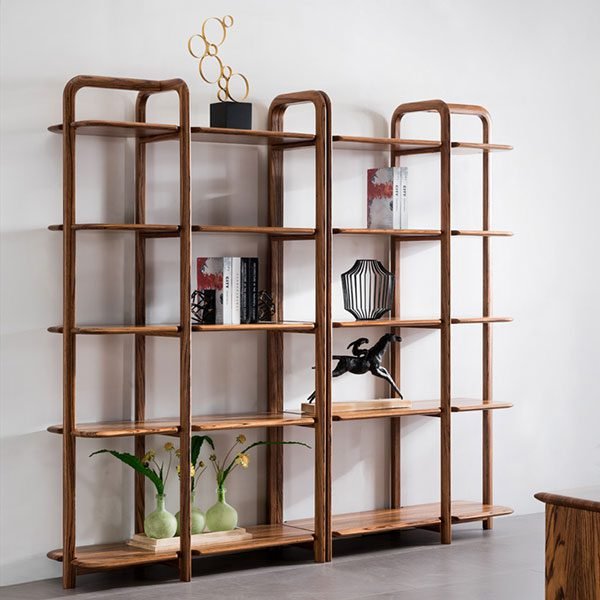
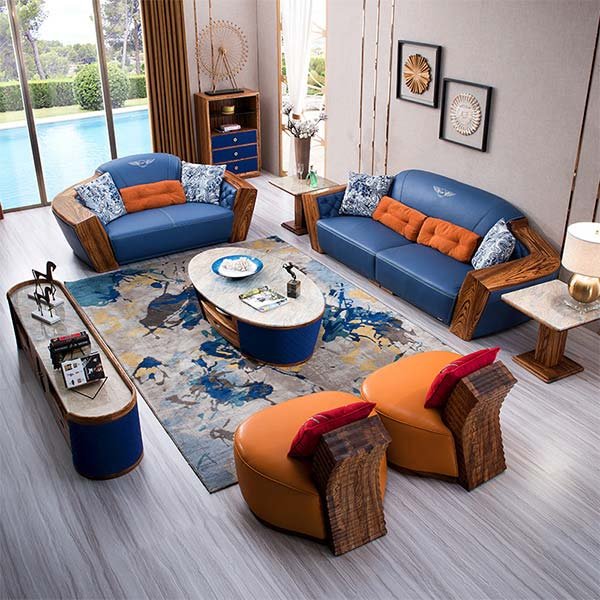
When it comes to home decor, natural materials offer a unique and timeless appeal. Wood, for example, is a versatile material that can be used in various ways throughout the home. From hardwood floors to wooden furniture, incorporating wood into your decor adds warmth and character to any room. Additionally, wood is a sustainable and eco-friendly choice, making it an ideal option for those who are conscious of their environmental impact.
Another natural material that can be used to enhance your home decor is stone. Whether it’s a stone fireplace, a granite countertop, or a marble accent piece, incorporating stone into your living space adds a touch of elegance and sophistication. Stone is also durable and long-lasting, making it a practical choice for high-traffic areas such as kitchens and bathrooms.
In addition to wood and stone, natural fibers can also be used to create a cozy and inviting atmosphere in your home. Materials such as cotton, linen, and jute are not only soft and comfortable but also environmentally friendly. From curtains and upholstery to rugs and bedding, incorporating natural fibers into your home decor adds texture and depth to your living space.
When it comes to furnishings, natural materials offer a wide range of options. For seating, consider choosing furniture made from rattan or bamboo. These materials are not only lightweight and durable but also add a touch of tropical charm to any room. Additionally, rattan and bamboo are sustainable choices, as they are fast-growing and easily renewable.
For lighting fixtures, consider using natural materials such as wood, metal, or glass. A wooden pendant light or a metal floor lamp can add a rustic and industrial touch to your living space. Alternatively, a glass chandelier or a crystal table lamp can create a sense of elegance and sophistication. By choosing lighting fixtures made from natural materials, you can enhance the overall ambiance of your home.
Incorporating natural materials into your home decor and furnishings not only adds beauty and character but also promotes a healthier living environment. Unlike synthetic materials, natural materials do not release harmful chemicals into the air, making them a safer choice for you and your family. Additionally, natural materials are often more durable and long-lasting, reducing the need for frequent replacements and contributing to a more sustainable lifestyle.
In conclusion, using natural materials for home decor and furnishings is a great way to bring the outdoors inside and create a sense of harmony and tranquility in your living space. From wood and stone to natural fibers and sustainable furnishings, there are countless options to choose from. By incorporating these organic elements into your home, you can create a space that not only looks beautiful but also promotes a healthier and more sustainable way of living.
Creating a Healthy and Sustainable Indoor Environment
Organic Living: Bringing the Outdoors Inside with Natural Elements
Creating a Healthy and Sustainable Indoor Environment
In today’s fast-paced world, many people are seeking ways to bring a sense of calm and tranquility into their homes. One way to achieve this is by incorporating natural elements into the indoor environment. By doing so, not only can we create a more aesthetically pleasing space, but we can also promote a healthier and more sustainable lifestyle.
One of the first steps in creating a healthy and sustainable indoor environment is to choose natural materials for our furniture and decor. Instead of opting for synthetic materials, such as plastic or particleboard, we can choose furniture made from sustainably sourced wood or bamboo. These materials not only add a touch of warmth and beauty to our homes but also have a lower environmental impact.
In addition to natural materials, incorporating plants into our indoor spaces is another way to bring the outdoors inside. Plants not only add a pop of color and life to our homes but also have numerous health benefits. They help purify the air by absorbing toxins and releasing oxygen, creating a healthier living environment. Furthermore, studies have shown that being around plants can reduce stress and improve overall well-being.
To create a truly sustainable indoor environment, it is important to consider the air quality in our homes. Many conventional cleaning products contain harmful chemicals that can negatively impact our health and the environment. By opting for natural cleaning products, we can reduce our exposure to these toxins and create a healthier living space. Additionally, using air purifiers or opening windows regularly can help improve indoor air quality by allowing fresh air to circulate.
Another aspect of creating a healthy and sustainable indoor environment is reducing our energy consumption. By choosing energy-efficient appliances and light bulbs, we can not only save money on our utility bills but also reduce our carbon footprint. Additionally, using natural light whenever possible can help create a more inviting and eco-friendly space. Opening curtains or blinds during the day can provide ample natural light, reducing the need for artificial lighting.
Incorporating natural elements into our indoor environment goes beyond just furniture and decor. It also extends to the materials we use in our daily lives. For example, opting for organic bedding made from natural fibers, such as cotton or linen, can promote a healthier sleep environment. These materials are breathable and hypoallergenic, reducing the risk of allergies or skin irritations.
Lastly, creating a healthy and sustainable indoor environment also involves being mindful of our waste. By practicing recycling and composting, we can reduce the amount of waste that ends up in landfills. Additionally, choosing products with minimal packaging or opting for reusable alternatives can help minimize our environmental impact.
In conclusion, creating a healthy and sustainable indoor environment is not only beneficial for our well-being but also for the planet. By incorporating natural elements into our homes, such as natural materials, plants, and organic bedding, we can create a more aesthetically pleasing and eco-friendly space. Furthermore, by being mindful of our energy consumption and waste, we can reduce our environmental impact and promote a more sustainable lifestyle. So, let’s bring the outdoors inside and embrace organic living for a healthier and greener future.
Conclusion
In conclusion, organic living involves bringing the outdoors inside by incorporating natural elements into our living spaces. This approach promotes a connection with nature, enhances well-being, and creates a harmonious and sustainable environment. By incorporating elements such as plants, natural materials, and earthy color palettes, we can create a calming and rejuvenating atmosphere that supports a healthier and more balanced lifestyle. Embracing organic living not only benefits our physical and mental health but also contributes to a more sustainable and eco-friendly way of life.