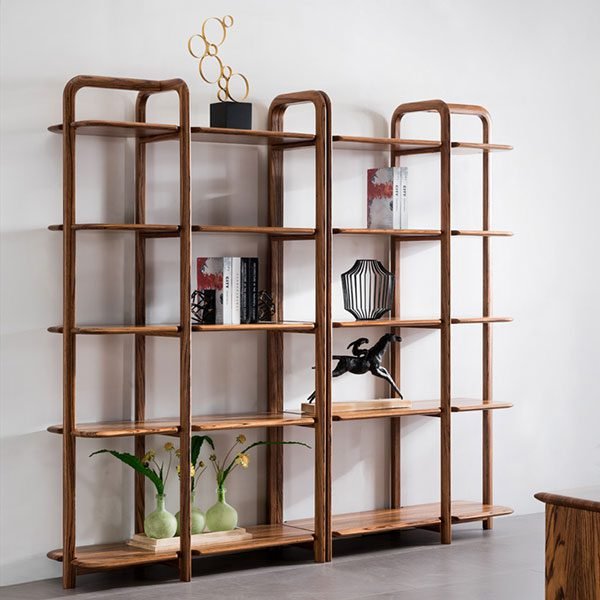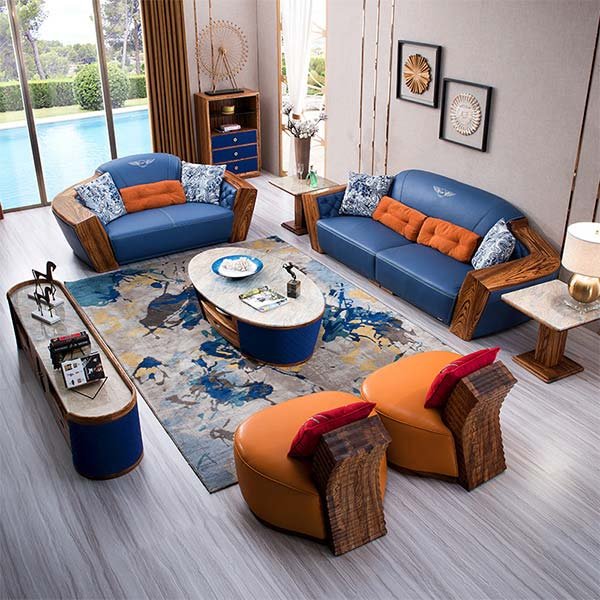
Creating depth in your home decor through the art of mixing textures.
Exploring the Impact of Mixing Textures in Home Decor
The art of mixing textures in home decor is a powerful tool that can transform any space into a visually stunning and inviting environment. By combining different textures, you can create depth and interest, adding a touch of luxury and sophistication to your home. In this article, we will explore the impact of mixing textures in home decor and provide you with some tips on how to achieve the perfect balance.
One of the key benefits of mixing textures is the ability to create visual interest. When you combine smooth and rough textures, such as a velvet sofa with a rustic wooden coffee table, you create a contrast that immediately catches the eye. This contrast adds depth to the space, making it more visually appealing and engaging.
Another advantage of mixing textures is the ability to create a tactile experience. By incorporating different textures, you can create a sensory experience that goes beyond just visual appeal. For example, combining a soft faux fur rug with a sleek leather armchair creates a space that not only looks luxurious but also feels luxurious to the touch. This adds an extra layer of comfort and indulgence to your home.
When it comes to mixing textures, it’s important to consider the overall style and theme of your space. While mixing textures can add interest, it’s essential to maintain a cohesive look. For example, if you have a modern and minimalist aesthetic, you may want to stick to a few key textures, such as smooth leather and sleek metal, to maintain the clean lines and simplicity of the design. On the other hand, if you have a more eclectic style, you can experiment with a wide range of textures, from rough jute rugs to silky velvet curtains, to create a bohemian-inspired space.
In addition to considering the style of your space, it’s also important to think about the scale and proportion of the textures you are mixing. Mixing textures of different scales can create a sense of balance and harmony. For example, if you have a large, chunky knit throw, you may want to pair it with smaller, more delicate textures, such as a smooth ceramic vase or a shiny glass lamp. This contrast in scale adds visual interest and prevents the space from feeling overwhelming.
When mixing textures, it’s also important to consider the color palette. While textures can add depth and interest, too many conflicting colors can create a chaotic and overwhelming space. Instead, opt for a cohesive color scheme and use textures to add subtle variations and nuances. For example, if you have a neutral color palette, you can mix textures by incorporating different shades of beige, cream, and taupe. This creates a harmonious and sophisticated look that is both visually appealing and calming.
In conclusion, the art of mixing textures in home decor is a powerful tool that can transform any space into a visually stunning and inviting environment. By combining different textures, you can create depth, interest, and a tactile experience that adds a touch of luxury and sophistication to your home. When mixing textures, it’s important to consider the overall style, scale, proportion, and color palette of your space to achieve a cohesive and visually appealing look. So go ahead, experiment with different textures, and create a space that is uniquely yours.
Tips and Tricks for Successfully Incorporating Different Textures in Your Interior Design
The Art of Mixing Textures: Creating Depth in Your Home Decor
When it comes to interior design, one of the most effective ways to add visual interest and create a sense of depth is by incorporating different textures. Mixing textures can transform a space from flat and boring to dynamic and inviting. However, achieving a harmonious balance of textures requires careful consideration and planning. In this article, we will explore some tips and tricks for successfully incorporating different textures in your interior design.
First and foremost, it is important to understand the role that textures play in creating depth. Textures can be rough or smooth, shiny or matte, and they can evoke different emotions and moods. By combining textures, you can create a multi-dimensional space that engages the senses and adds visual intrigue. However, it is crucial to strike a balance between too many textures, which can overwhelm the space, and too few, which can make it feel flat and uninspiring.
One way to successfully mix textures is by starting with a neutral base. Choose a neutral color palette for your walls, floors, and larger furniture pieces. This will provide a clean canvas for your textures to shine. Once you have established a neutral base, you can begin layering different textures through your choice of fabrics, materials, and accessories.
Consider incorporating natural textures such as wood, stone, or woven materials. These textures add warmth and a sense of authenticity to a space. For example, you could introduce a wooden coffee table, a stone fireplace surround, or a woven rug. These natural textures can be complemented by softer textures such as velvet, silk, or faux fur. These fabrics add a touch of luxury and comfort to the space.
Another tip for successfully mixing textures is to vary the scale of the textures you use. Combining textures of different scales creates visual interest and prevents the space from feeling monotonous. For example, if you have a large, smooth leather sofa, you could pair it with a smaller, more intricate textured throw pillow. This contrast in scale adds depth and dimension to the space.
Transitional phrases can also be used to guide the reader through the article. For instance, in addition to varying the scale of textures, you can also play with contrasting textures. Combining rough and smooth textures can create a striking visual contrast. For example, you could pair a rough, textured wallpaper with a smooth, glossy ceramic vase. This juxtaposition adds visual intrigue and creates a sense of balance in the space.
Furthermore, consider the importance of lighting when incorporating different textures. Lighting can enhance the visual impact of textures by casting shadows and highlighting their unique qualities. Use a combination of ambient, task, and accent lighting to create a layered and dynamic effect. For example, you could use recessed lighting to highlight a textured wall or a pendant light to showcase a textured ceiling.
In conclusion, mixing textures is an art form that can elevate your home decor and create a sense of depth. By starting with a neutral base, incorporating natural and soft textures, varying the scale and contrasting textures, and considering the role of lighting, you can successfully create a visually interesting and harmonious space. Remember, the key is to strike a balance between too many textures and too few, and to let your creativity and personal style shine through. So go ahead, experiment with textures, and transform your home into a multi-dimensional masterpiece.
How to Use Textures to Add Depth and Visual Interest to Your Home Decor
The use of textures in home decor is a powerful tool that can transform any space from flat and boring to dynamic and visually interesting. By incorporating different textures into your design, you can create depth and add a sense of dimension to your home. In this article, we will explore the art of mixing textures and how you can use them to enhance your home decor.
One of the easiest ways to incorporate textures into your home decor is through the use of textiles. Fabrics such as velvet, linen, and wool can add a luxurious and cozy feel to any room. Consider using velvet throw pillows on a linen sofa or a wool rug on a hardwood floor. These simple additions can instantly elevate the look and feel of your space.
Another way to add texture to your home decor is through the use of wall coverings. Wallpaper with a textured finish can create a focal point in any room. Whether you choose a subtle grasscloth or a bold geometric pattern, textured wallpaper can add depth and visual interest to your walls. Additionally, you can also consider using textured paint techniques, such as sponge painting or stenciling, to create a unique and textured look.
Incorporating natural elements into your home decor is another great way to add texture. Materials such as wood, stone, and rattan can bring a sense of warmth and organic beauty to your space. Consider adding a wooden coffee table or a stone fireplace surround to create a focal point in your living room. You can also incorporate natural textures through the use of plants and flowers. Adding a few potted plants or a vase of fresh flowers can instantly liven up any room and add a touch of nature to your decor.
Mixing different textures is key to creating depth in your home decor. Don’t be afraid to combine smooth and rough textures, or shiny and matte finishes. For example, you can pair a sleek leather sofa with a chunky knit throw blanket, or a glossy ceramic vase with a rough-hewn wooden table. These contrasting textures will create visual interest and make your space more visually appealing.
When mixing textures, it’s important to consider the overall color scheme of your space. Choose textures that complement the colors in your decor to create a cohesive and harmonious look. For example, if you have a neutral color palette, consider incorporating textures in shades of cream, beige, and gray. If you have a bold and vibrant color scheme, opt for textures in complementary or contrasting colors to make a statement.
In conclusion, the art of mixing textures is a powerful tool that can transform your home decor. By incorporating different textures through textiles, wall coverings, natural elements, and mixing contrasting textures, you can create depth and visual interest in your space. Remember to consider the overall color scheme of your decor when choosing textures to ensure a cohesive and harmonious look. So go ahead, experiment with textures, and create a home that is visually captivating and inviting.
Conclusion
In conclusion, the art of mixing textures is a powerful technique that can add depth and visual interest to your home decor. By combining different textures such as smooth, rough, soft, and shiny, you can create a dynamic and layered look that enhances the overall aesthetic of your space. Whether it’s through incorporating textured fabrics, natural materials, or decorative accents, mastering the art of mixing textures can transform your home into a visually captivating and inviting environment.