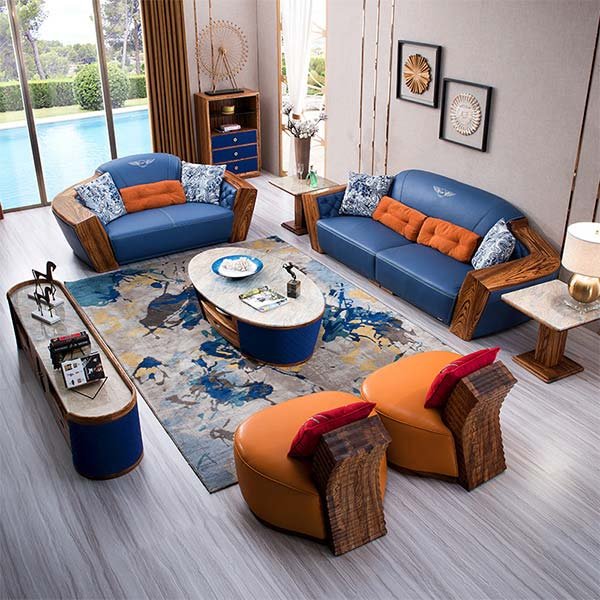
“Keep your sofa fur-free with our simple solution for keeping dogs off.”
Effective Training Techniques to Keep Your Dog Off the Sofa
Effective Training Techniques to Keep Your Dog Off the Sofa
Dogs are wonderful companions, but sometimes they can develop bad habits, such as jumping on the sofa. While it may seem harmless at first, allowing your dog on the sofa can lead to a variety of issues, including fur on the furniture, potential damage, and even territorial behavior. Fortunately, there are several effective training techniques you can use to keep your dog off the sofa.
One of the most important aspects of training your dog to stay off the sofa is consistency. Dogs thrive on routine, so it’s crucial to establish clear boundaries and stick to them. Start by teaching your dog a command such as “off” or “down” that you will use consistently when you want them to get off the sofa. Be sure to reward your dog with praise and treats when they obey the command, reinforcing the desired behavior.
Another effective technique is to create a designated space for your dog. Provide a comfortable dog bed or a cozy blanket in an area of the house where your dog can relax and feel secure. Encourage your dog to use this space by offering treats and praise when they choose to lie there instead of the sofa. Over time, your dog will associate this area with positive experiences and be less inclined to jump on the sofa.
To further discourage your dog from getting on the sofa, you can use deterrents. There are various products available, such as pet-safe sprays or motion-activated alarms, that can help deter your dog from approaching the sofa. Apply the spray or set up the alarm near the sofa, and when your dog gets too close, they will be startled or repelled by the scent, sound, or both. This negative association will discourage them from attempting to jump on the sofa in the future.
Consistency and positive reinforcement are key, but it’s also important to address the underlying reasons why your dog may be jumping on the sofa. Dogs often seek comfort and attention, so make sure your dog is getting enough exercise and mental stimulation. Regular walks, playtime, and interactive toys can help keep your dog physically and mentally engaged, reducing their desire to seek comfort on the sofa.
If your dog continues to struggle with staying off the sofa, you may need to consider using a physical barrier. Baby gates or pet gates can be used to block off access to the sofa when you’re not able to supervise your dog. This will prevent them from even having the opportunity to jump on the sofa and reinforce the training you’ve been working on.
Remember, training takes time and patience. It’s important to remain consistent and not give in to your dog’s pleading eyes or cute behavior. By consistently reinforcing the desired behavior and providing alternative options, you can successfully train your dog to stay off the sofa.
In conclusion, keeping your dog off the sofa requires a combination of training techniques and consistency. Establish clear boundaries, create a designated space for your dog, use deterrents if necessary, address underlying needs, and consider using physical barriers when needed. With time and patience, you can successfully train your dog to stay off the sofa and enjoy a harmonious living space with your furry friend.
Creating a Dog-Friendly Space: Alternatives to the Sofa
Dogs are known for their love of comfort, and it’s not uncommon to find them lounging on the sofa. While it may be adorable to see your furry friend curled up on the cushions, it can also lead to a host of problems. From shedding fur to muddy paws, dogs can leave quite a mess behind. If you’re tired of constantly cleaning up after your dog or simply want to create a dog-friendly space without sacrificing your sofa, there are several alternatives you can consider.
One option is to provide your dog with their own designated space. This can be a cozy dog bed or a comfortable mat placed in a corner of the room. By giving your dog their own spot, you’re providing them with a sense of security and ownership. Make sure to choose a bed or mat that is the appropriate size for your dog, as they should be able to stretch out comfortably. Additionally, consider placing the bed or mat in an area that is easily accessible to your dog, so they are more likely to use it.
Another alternative to the sofa is to create a dog-friendly zone in your home. This can be a specific area where your dog is allowed to roam freely without any restrictions. You can use baby gates or pet barriers to define this space and keep your dog from wandering into areas where they are not allowed. Fill this area with toys, chew bones, and other items that will keep your dog entertained and occupied. By providing them with their own space, you’re giving them an alternative to the sofa that is both comfortable and enjoyable.
If you’re concerned about your dog’s comfort, you can also consider investing in a dog-friendly sofa. There are many options available on the market that are specifically designed to withstand the wear and tear of dogs. These sofas are often made from durable materials that are resistant to stains, scratches, and odors. Some even come with removable and washable covers, making it easy to keep them clean. By choosing a dog-friendly sofa, you can have the best of both worlds – a comfortable place for your dog to relax and a sofa that remains in pristine condition.
In addition to providing alternatives to the sofa, it’s important to train your dog to stay off the furniture. Consistency is key when it comes to training, so make sure to establish clear rules and boundaries from the beginning. Use positive reinforcement techniques, such as treats and praise, to reward your dog for staying off the sofa. You can also use deterrents, such as aluminum foil or double-sided tape, to discourage your dog from jumping on the furniture. With time and patience, your dog will learn to respect your boundaries and stay off the sofa.
In conclusion, keeping your dog off the sofa doesn’t have to be a daunting task. By providing alternatives such as designated beds or creating a dog-friendly zone, you can give your dog a comfortable space of their own. Additionally, investing in a dog-friendly sofa or training your dog to stay off the furniture can help maintain a clean and tidy living space. Remember, consistency and positive reinforcement are key when it comes to training your dog. With a little effort and patience, you can create a dog-friendly space that both you and your furry friend will love.
Understanding the Root Causes of Sofa Misbehavior in Dogs
Understanding the Root Causes of Sofa Misbehavior in Dogs
Dogs are known for their loyalty, companionship, and playful nature. However, sometimes their mischievous side can get the best of them, leading to unwanted behaviors such as jumping on the sofa. While it may seem harmless at first, allowing your dog on the sofa can lead to a host of problems, from fur-covered furniture to territorial issues. To address this issue, it is crucial to understand the root causes of sofa misbehavior in dogs.
One common reason why dogs jump on the sofa is simply because they find it comfortable. Sofas are often soft and cozy, providing a perfect spot for dogs to relax and unwind. Additionally, dogs may be attracted to the scent left behind by their owners, as sofas tend to absorb and retain smells. This can make the sofa an appealing place for dogs to claim as their own.
Another reason why dogs may misbehave on the sofa is due to separation anxiety. Dogs are social animals and thrive on human interaction. When left alone for extended periods, they may seek comfort and security by jumping on the sofa. This behavior can be a cry for attention and a way for them to feel closer to their owners, even when they are not around.
Territorial behavior can also play a role in sofa misbehavior. Dogs are naturally territorial creatures and may view the sofa as their territory. By jumping on the sofa, they are marking their scent and asserting their dominance. This behavior can be particularly problematic if you have multiple dogs in the household, as it can lead to conflicts and power struggles.
To address sofa misbehavior in dogs, it is essential to establish clear boundaries and rules. Consistency is key when training your dog, so make sure everyone in the household is on the same page. Start by teaching your dog the “off” command, which signals them to get off the sofa. Use positive reinforcement techniques such as treats and praise to reward your dog when they comply with the command.
Creating an alternative space for your dog can also help redirect their attention away from the sofa. Provide them with a comfortable dog bed or a designated area where they can relax and feel secure. Make this space appealing by placing their favorite toys, blankets, and treats nearby. By providing an alternative, you are giving your dog a clear and acceptable place to rest without resorting to the sofa.
Addressing separation anxiety requires a different approach. If your dog jumps on the sofa when you are away, it may be a sign that they are feeling anxious or lonely. Consider implementing strategies to alleviate their anxiety, such as leaving them with interactive toys or providing them with a companion, such as another dog or a cat. Additionally, gradually increasing the time you spend away from home can help your dog become more comfortable with being alone.
In conclusion, understanding the root causes of sofa misbehavior in dogs is crucial for addressing this issue effectively. Whether it is seeking comfort, dealing with separation anxiety, or asserting dominance, dogs have various reasons for jumping on the sofa. By establishing clear boundaries, providing alternative spaces, and addressing underlying anxieties, you can train your dog to stay off the sofa and create a harmonious living environment for both you and your furry friend.
Conclusion
To keep a dog off the sofa, you can try the following methods:
1. Provide an alternative: Provide a comfortable dog bed or designated area where your dog can relax and feel secure.
2. Use positive reinforcement: Reward your dog with treats, praise, or toys when they choose to stay off the sofa.
3. Set boundaries: Use baby gates or barriers to restrict access to the sofa area.
4. Train the “off” command: Teach your dog the command “off” and consistently reinforce it when they attempt to get on the sofa.
5. Make the sofa unappealing: Use deterrents like aluminum foil, double-sided tape, or pet-safe sprays to make the sofa less inviting for your dog.
6. Consistency is key: Be consistent with your training and reinforce the rules consistently to help your dog understand that the sofa is off-limits.
By implementing these strategies, you can effectively keep your dog off the sofa and encourage them to use their designated space instead.